


测绘学报 ›› 2026, Vol. 55 ›› Issue (9): 1542-1554.doi: 10.11947/j.AGCS.2026.20260104
李艳艳( ), 王澳, 涂锐()
收稿日期:2026-04-07
修回日期:2026-09-08
出版日期:2026-10-28
发布日期:2026-10-28
通讯作者:
涂锐
E-mail:yylee@sdust.edu.cn;turui-2004@126.com
作者简介:李艳艳(1987—),女,副教授,研究方向为GNSS高精度数据处理、时空数据质量提升及地壳形变监测等。 E-mail:yylee@sdust.edu.cn
基金资助:
Yanyan Li(), Ao Wang, Rui Tu()
Received:2026-04-07
Revised:2026-09-08
Online:2026-10-28
Published:2026-10-28
Contact:
Rui Tu
E-mail:yylee@sdust.edu.cn;turui-2004@126.com
About author:Li Yanyan (1987—), female, associate professor, majors in high-precision GNSS data processing, spatio-temporal data quality enhancement, and crustal deformation monitoring. E-mail: yylee@sdust.edu.cn
Supported by:摘要:
快速准确的地震震级估算对灾后应急响应与防震减灾至关重要。高频全球导航卫星系统(HR-GNSS)可快速捕获近场同震形变信息,为大震震级估算提供了重要的数据基础,但现有方法仍面临震级估算饱和、低信噪比、台站分布不均,以及现有深度学习模型对震源与台站间几何关系利用不足等挑战。针对上述问题,本文提出了一种融合震中距几何辅助信息与台站维自注意力机制的卷积神经网络(EDGSA-CNN)模型。该模型利用卷积神经网络(CNN)提取多台站三分量位移波形特征,通过自注意力机制建模台站间特征相关性,并采用多层感知机(MLP)对震中距进行非线性编码,融合波形特征与几何辅助信息,用于大震矩震级估算。智利俯冲带合成HR-GNSS数据集试验表明,EDGSA-CNN模型的震级估算误差总体低于纯波形CNN基线模型和峰值地表位移经验模型,并在高震级样本中保持较低误差。震中距扰动、跨区域合成和真实强震测试表明,模型对早期震中定位误差具有一定稳健性,在不同数据来源和观测条件下具有一定的适用性和稳定性。本研究可为大震震级准确估算、地震预警应用等提供潜在技术支持。
中图分类号:
李艳艳, 王澳, 涂锐. 融合震中距几何辅助信息与台站维自注意力机制的HR-GNSS大震震级估算[J]. 测绘学报, 2026, 55(9): 1542-1554.
Yanyan Li, Ao Wang, Rui Tu. Great earthquake magnitude estimation using HR-GNSS with epicentral-distance geometric auxiliary information and attention mechanisms[J]. Acta Geodaetica et Cartographica Sinica, 2026, 55(9): 1542-1554.
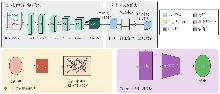
图1
EDGSA-CNN模型总体框架"
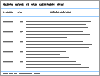
表1
EDGSA-CNN模型关键结构参数"
| 模块 | 参数 |
|---|---|
| 输入波形 | Case Ⅰ:3×181×3;Case Ⅱ:7×181×3 Case Ⅲ:7×501×3 |
| 波形CNN卷积核 | 6层Conv2D,通道数12、24、36、64、128、256(1,3) |
| 池化 | Conv1、Conv3、Conv5后设置最大池化层,池化窗口为(1,2) |
| 注意力 |  |
| 震中距编码分支 | 32→64→128 |
| 特征拼接 | 256维波形特征+128维震中距特征=384维 |
| 回归网络 | 256→128→32→1 |
| 损失函数 | 均方误差 |
| 优化器 | Adam |
| 批次大小 | 128 |
| 最大训练轮数 | 200 |
| 提前停止 | 验证集损失连续20轮无改善停止 |
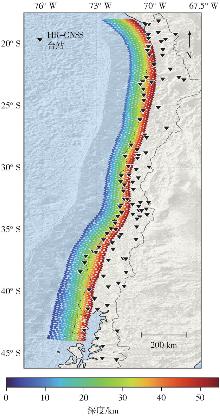
图2
智利俯冲带合成HR-GNSS数据集研究区域及HR-GNSS台站分布"

表2
试验场景数据输入配置"
| 实验场景 | 每个地震所选台站数(Δ:震中距) | 时间序列窗口长度/s | 输入数据维度(台站数,时长,通道数) |
|---|---|---|---|
| Case Ⅰ | 3个台站,Δ≤3° | 181 | (3,181,3) |
| Case Ⅱ | 7个台站,Δ≤3° | 181 | (7,181,3) |
| Case Ⅲ | 7个台站:其中3~5个Δ≤3°,其余台站Δ>3° | 501 | (7,501,3) |
表3
不同模型结构在3类输入场景下的消融RMSE试验结果"
| 模型 | Case Ⅰ | Case Ⅱ | Case Ⅲ | Case Ⅲ(Mw≥8.5) |
|---|---|---|---|---|
| CNN | 0.104 | 0.093 | 0.075 | 0.082 |
| CNN-Attn | 0.100 | 0.098 | 0.054 | 0.057 |
| CNN-MLP | 0.084 | 0.078 | 0.042 | 0.045 |
| EDGSA-CNN | 0.080 | 0.078 | 0.044 | 0.050 |
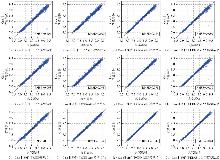
图3
不同模型结构在3类输入场景下的震级估算结果"
表4
PGD经验模型与EDGSA-CNN模型测试集震级估算精度对比"
| 事件 | 方法 | RMSE/Mw | MAE/Mw |
|---|---|---|---|
| Case Ⅰ | PGD经验模型 | 0.232 | 0.150 |
| Case Ⅰ | EDGSA-CNN | 0.080 | 0.046 |
| Case Ⅱ | PGD经验模型 | 0.227 | 0.138 |
| Case Ⅱ | EDGSA-CNN | 0.078 | 0.039 |
| Case Ⅲ | PGD经验模型 | 0.173 | 0.135 |
| Case Ⅲ | EDGSA-CNN | 0.044 | 0.034 |
表5
不同震中定位扰动条件下EDGSA-CNN的震级估算RMSE"
| 扰动幅度/km | Case Ⅰ | Case Ⅱ | Case Ⅲ |
|---|---|---|---|
| 0 | 0.080 | 0.078 | 0.044 |
| 10 | 0.081 | 0.078 | 0.045 |
| 30 | 0.082 | 0.081 | 0.048 |
| 50 | 0.084 | 0.085 | 0.054 |
图4
不同场景下Mw8.7合成地震的震级预测误差分布"
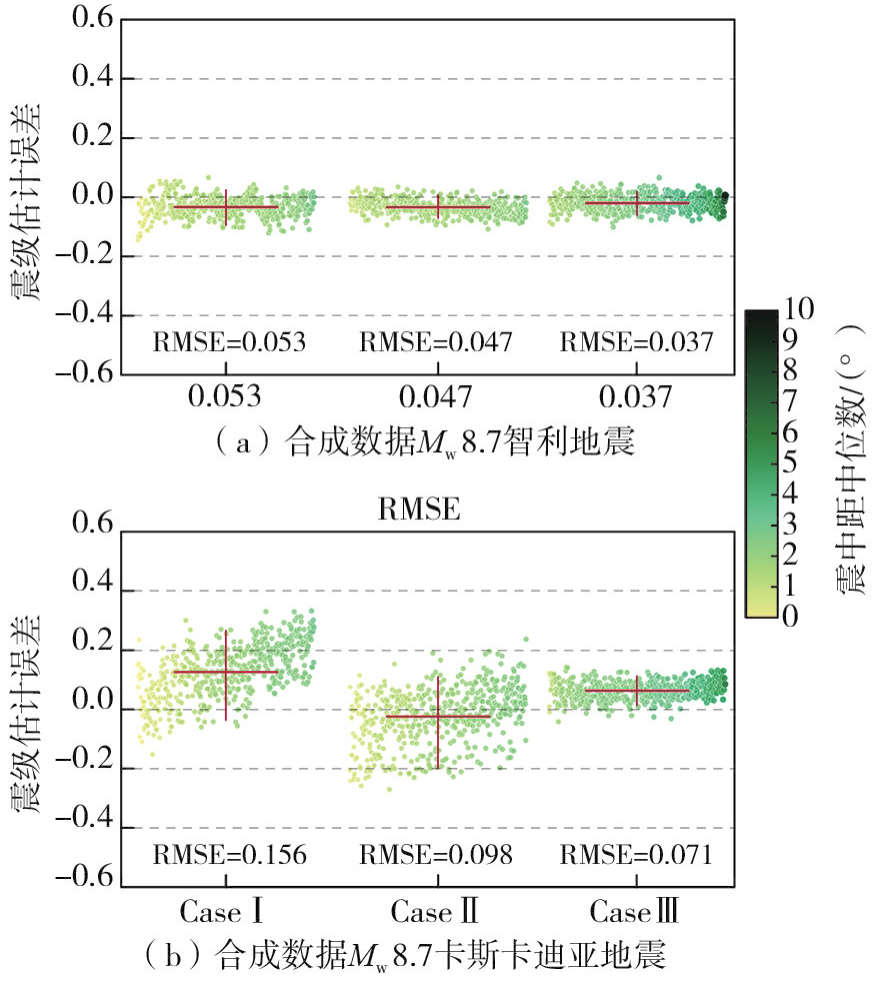
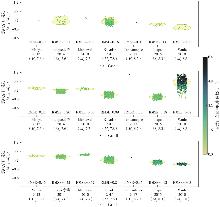
图5
不同输入场景下真实强震事件的震级估计误差分布"

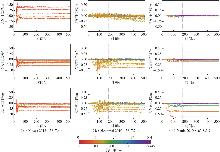
图6
典型真实强震事件的HR-GNSS三分量位移波形"
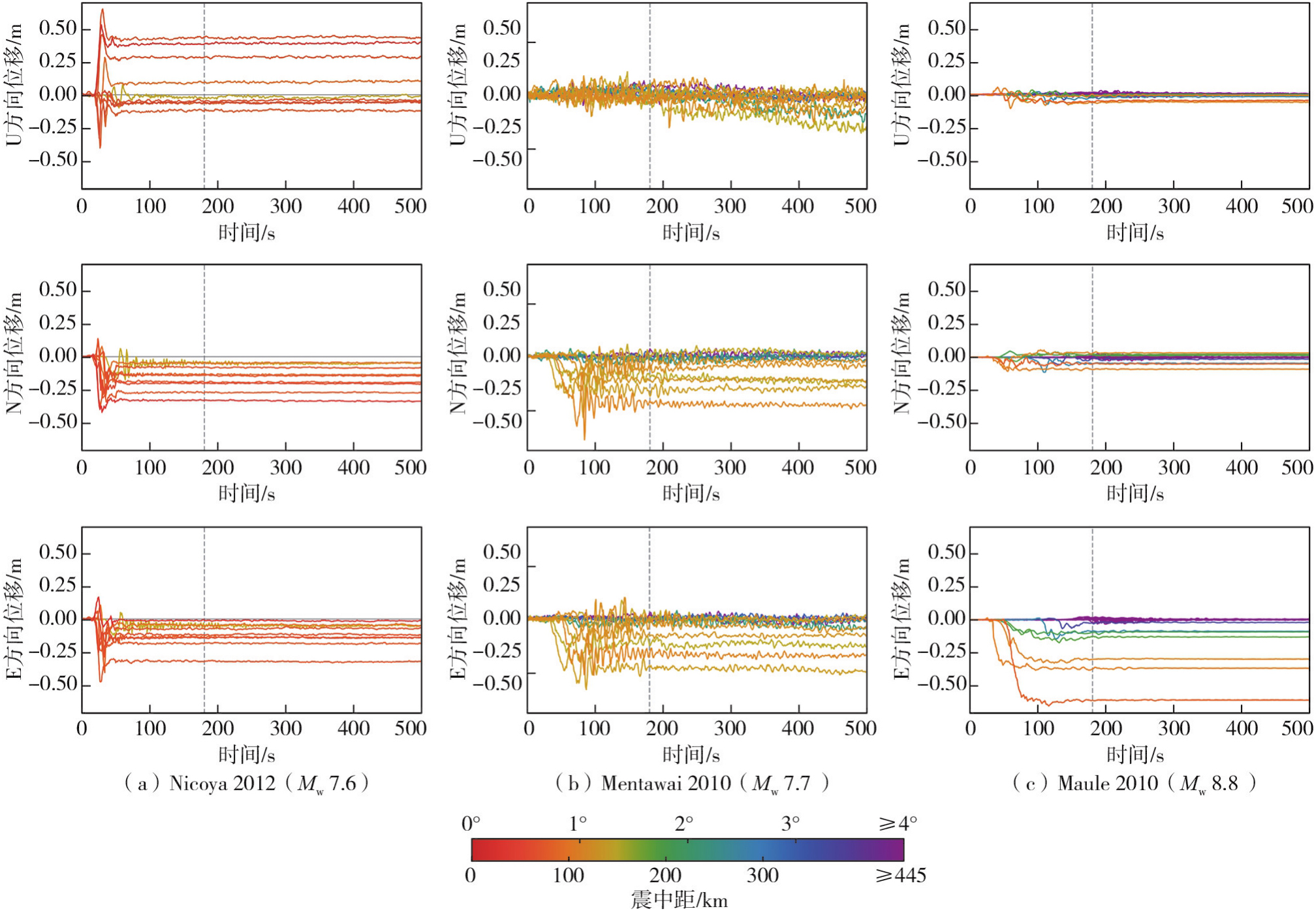
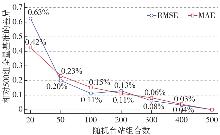
图7
真实震例随机台站组合数稳定性检验结果"

图8
Illapel 2015(Mw8.3)事件的台站波形、重要性及注意力矩阵"
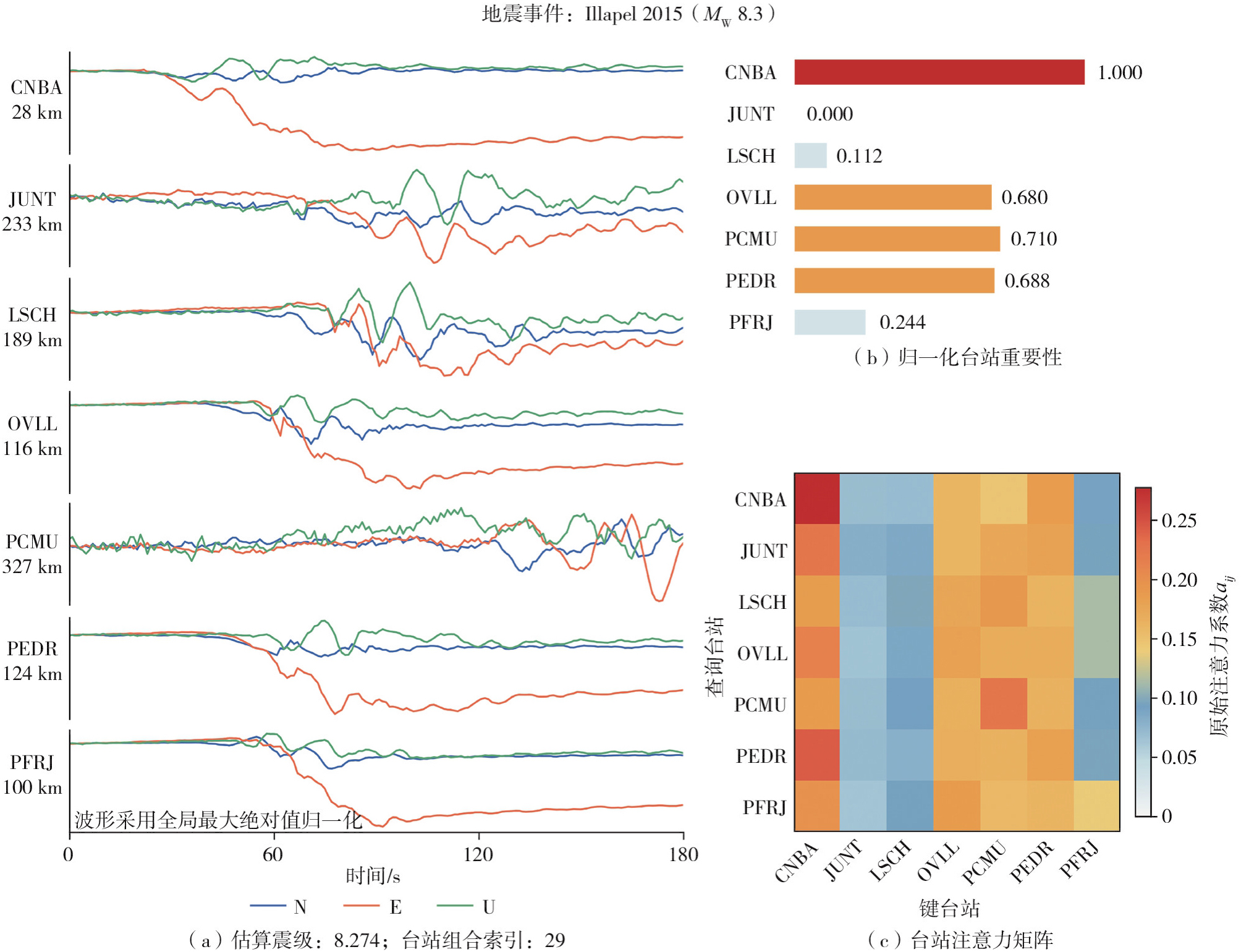
表6
固定台站组合的台站重要性与屏蔽敏感性"
| 台站 | 归一化台站重要性 | 震中距/km | 方位角/(°) | PGD/m | 幅值—初始波动比 | 低频能量占比 | 屏蔽后|ΔMw| |
|---|---|---|---|---|---|---|---|
| CNBA | 1.000 | 27.7 | 46.5 | 1.183 2 | 219.22 | 0.961 | 0.042 |
| JUNT | 0.000 | 232.5 | 40.8 | 0.263 1 | 41.48 | 0.849 | 0.003 |
| LSCH | 0.112 | 189.2 | 12.5 | 0.257 4 | 81.44 | 0.843 | 0.015 |
| OVLL | 0.680 | 116.2 | 22.6 | 0.785 0 | 298.38 | 0.956 | 0.008 |
| PCMU | 0.710 | 326.5 | 184.7 | 0.048 8 | 20.52 | 0.777 | 0.047 |
| PEDR | 0.688 | 123.7 | 49.2 | 0.575 6 | 228.68 | 0.955 | 0.011 |
| PFRJ | 0.244 | 99.6 | 1.9 | 1.437 1 | 259.00 | 0.972 | 0.036 |
| [1] |
刘学习, 刘广涵, 杨超, 等. 顾及GNSS卫星姿态的相位缠绕及精密单点定位[J]. 测绘学报, 2026, 55(6): 1018-1030. DOI: .
doi: 10.11947/j.AGCS.2026.20260051 |
|
Liu Xuexi, Liu Guanghan, Yang Chao, et al. Phase wind-up and precise point positioning considering GNSS satellite attitude[J]. Acta Geodaetica et Cartographica Sinica, 2026, 55(6): 1018-1030. DOI: .
doi: 10.11947/j.AGCS.2026.20260051 |
|
| [2] |
李博峰, 章浙涛. 非模型化误差实时处理:探测、补偿及控制[J]. 测绘学报, 2026, 55(5): 776-786. DOI: .
doi: 10.11947/j.AGCS.2026.20250501 |
|
Li Bofeng, Zhang Zhetao. Real-time processing of unmodeled errors: detection, compensation, and control[J]. Acta Geodaetica et Cartographica Sinica, 2026, 55(5): 776-786. DOI: .
doi: 10.11947/j.AGCS.2026.20250501 |
|
| [3] |
党亚民, 蒋涛, 杨元喜, 等. 中国大地测量研究进展(2019—2023)[J]. 测绘学报, 2023, 52(9): 1419-1436. DOI: .
doi: 10.11947/j.AGCS.2023.20230343 |
|
Dang Yamin, Jiang Tao, Yang Yuanxi, et al. Research progress of geodesy in China (2019—2023)[J]. Acta Geodaetica et Cartographica Sinica, 2023, 52(9): 1419-1436. DOI: .
doi: 10.11947/j.AGCS.2023.20230343 |
|
| [4] | 许才军, 贺克锋. 地震周期形变的大地测量研究进展和展望[J]. 武汉大学学报(信息科学版), 2023, 48(11): 1736-1755. |
| Xu Caijun, He Kefeng. Advancements in earthquake cycle deformation research based on geodetic observations[J]. Geomatics and Information Science of Wuhan University, 2023, 48(11): 1736-1755. | |
| [5] | 单新建, 尹昊, 刘晓东, 等. 高频GNSS实时地震学与地震预警研究现状[J]. 地球物理学报, 2019, 62(8): 3043-3052. |
| Shan Xinjian, Yin Hao, Liu Xiaodong, et al. High-rate real-time GNSS seismology and early warning of earthquakes[J]. Chinese Journal of Geophysics, 2019, 62(8): 3043-3052. | |
| [6] | Colombelli S, Allen R M, Zollo A. Application of real-time GPS to earthquake early warning in subduction and strike-slip environments[J]. Journal of Geophysical Research: Solid Earth, 2013, 118(7): 3448-3461. |
| [7] | Grapenthin R, Johanson I A, Allen R M. Operational real-time GPS-enhanced earthquake early warning[J]. Journal of Geophysical Research: Solid Earth, 2014, 119(10): 7944-7965. |
| [8] | Crowell B W, Melgar D, Bock Y, et al. Earthquake magnitude scaling using seismogeodetic data[J]. Geophysical Research Letters, 2013, 40(23): 6089-6094. |
| [9] | Melgar D, Crowell B W, Geng Jianghui, et al. Earthquake magnitude calculation without saturation from the scaling of peak ground displacement[J]. Geophysical Research Letters, 2015, 42(13): 5197-5205. |
| [10] | Ruhl C J, Melgar D, Geng Jianghui, et al. A global database of strong-motion displacement GNSS recordings and an example application to PGD scaling[J]. Seismological Research Letters, 2019, 90(1): 271-279. |
| [11] | Melgar D, LeVeque R J, Dreger D S, et al. Kinematic rupture scenarios and synthetic displacement data: an example application to the Cascadia subduction zone[J]. Journal of Geophysical Research: Solid Earth, 2016, 121(9): 6658-6674. |
| [12] | Lin J T, Melgar D, Thomas A M, et al. Early warning for great earthquakes from characterization of crustal deformation patterns with deep learning[J]. Journal of Geophysical Research: Solid Earth, 2021, 126(10): e2021JB022703. |
| [13] | Satriano C, Wu Y M, Zollo A, et al. Earthquake early warning: concepts, methods and physical grounds[J]. Soil Dynamics and Earthquake Engineering, 2011, 31(2): 106-118. |
| [14] | Cremen G, Galasso C. Earthquake early warning: recent advances and perspectives[J]. Earth-Science Reviews, 2020, 205: 103184. |
| [15] | Wu Y M, Zhao Li. Magnitude estimation using the first three seconds P-wave amplitude in earthquake early warning[J]. Geophysical Research Letters, 2006, 33(16): L16312. |
| [16] | Allen R M, Kanamori H. The potential for earthquake early warning in southern California[J]. Science, 2003, 300(5620): 786-789. |
| [17] | Wu Y M, Kanamori H. Experiment on an onsite early warning method for the Taiwan early warning system[J]. Bulletin of the Seismological Society of America, 2005, 95(1): 347-353. |
| [18] | Wu Y M, Kanamori H, Allen R M, et al. Determination of earthquake early warning parameters, τ c and Pd, for southern California[J]. Geophysical Journal International, 2007, 170(2): 711-717. |
| [19] | Kuyuk H S, Allen R M. A global approach to provide magnitude estimates for earthquake early warning alerts[J]. Geophysical Research Letters, 2013, 40(24): 6329-6333. |
| [20] | Goldberg D E, Melgar D, Hayes G P, et al. A ground-motion model for GNSS peak ground displacement[J]. Bulletin of the Seismological Society of America, 2021, 111(5): 2393-2407. |
| [21] | Mousavi S M, Beroza G C. A machine-learning approach for earthquake magnitude estimation[J]. Geophysical Research Letters, 2020, 47(1): e2019GL085976. |
| [22] | Lomax A, Michelini A, Jozinović D. An investigation of rapid earthquake characterization using single-station waveforms and a convolutional neural network[J]. Seismological Research Letters, 2019, 90(2A): 517-529. |
| [23] | Münchmeyer J, Bindi D, Leser U, et al. Earthquake magnitude and location estimation from real time seismic waveforms with a transformer network[J]. Geophysical Journal International, 2021, 226(2): 1086-1104. |
| [24] | 林彬华, 金星, 康兰池, 等. 基于卷积神经网络的地震震级测定研究[J]. 地球物理学报, 2021, 64(10): 3600-3611. |
| Lin Binhua, Jin Xing, Kang Lanchi, et al. The research of earthquake magnitude determination based on convolutional neural networks[J]. Chinese Journal of Geophysics, 2021, 64(10): 3600-3611. | |
| [25] | 位栋梁, 王延伟, 王自法, 等. 基于卷积神经网络的地震震级快速估算方法[J]. 地震学报, 2022, 44(2): 316-326. |
| Wei Dongliang, Wang Yanwei, Wang Zifa, et al. A fast estimation method of earthquake magnitude based on convolutional neural networks[J]. Acta Seismologica Sinica, 2022, 44(2): 316-326. | |
| [26] | Quinteros-Cartaya C, Köhler J, Li Wei, et al. Exploring a CNN model for earthquake magnitude estimation using HR-GNSS data[J]. Journal of South American Earth Sciences, 2024, 136: 104815. |
| [27] | Cui Wenfeng, Chen Kejie, Wei Guoguang, et al. Simultaneous magnitude and slip distribution characterization from high-rate GNSS using deep learning: case studies of the 2021 Mw 7.4 Maduo and 2023 Turkey doublet events[J]. Geophysical Journal International, 2024, 238(1): 91-108. |
| [28] | Navarro-Rodríguez A, Castro-Artola O A, García-Guerrero E E, et al. Recent advances in early earthquake magnitude estimation by using machine learning algorithms: a systematic review[J]. Applied Sciences, 2025, 15(7): 3492. |
| [29] | 钟波, 胡星辉, 方荣新, 等. 基于高频GNSS和端到端深度学习的大地震震级估计[J]. 地球物理学报, 2026, 69(1): 97-112. |
| Zhong Bo, Hu Xinghui, Fang Rongxin, et al. Magnitude estimation of large earthquakes based on high-rate GNSS and end-to-end deep learning[J]. Chinese Journal of Geophysics, 2026, 69(1): 97-112. | |
| [30] | Melgar D, Crowell B W, Melbourne T I, et al. Noise characteristics of operational real-time high-rate GNSS positions in a large aperture network[J]. Journal of Geophysical Research: Solid Earth, 2020, 125(7): e2019JB019197. |
| [1] | 唐腾峰, 刘人源, 刘畅, 赵彦刚, 潘丹, 叶沅鑫. 模态重构与特征扰动学习相结合的多模态图像匹配方法[J]. 测绘学报, 2026, 55(8): 1343-1356. |
| [2] | 陈西江, 曾敏坤, 宣伟, 邹进贵, 花向红. 多尺度超体素特征聚合网络的三维点云语义分割[J]. 测绘学报, 2026, 55(8): 1414-1424. |
| [3] | 朱涵, 戴晨光, 张振超, 刘宣广, 卢金浩. 基于几何结构优化和熵注意力机制的点云变化检测方法[J]. 测绘学报, 2026, 55(8): 1439-1451. |
| [4] | 李贺, 陈克杰, 崔文峰, 柴海山, 方荣新, 彭朝勇, 孙丽. 基于北斗三号PPP-B2b同震位移与深度学习的震级快速估算——以2025年定日Mw 7.1和曼德勒Mw 7.7地震为例[J]. 测绘学报, 2026, 55(7): 1171-1182. |
| [5] | 赵曦, 袁强强, 徐佳丹. 面向复杂海洋环境的侧扫声呐目标样本生成与增强方法[J]. 测绘学报, 2026, 55(7): 1229-1239. |
| [6] | 曾路兵, 李建胜, 王安成, 杨子迪, 高宇宁, 张嘉杰. 复杂光照环境下融合轻量级光照增强网络的视觉SLAM方法[J]. 测绘学报, 2026, 55(7): 1278-1292. |
| [7] | 时天东, 赵玲, 赵文豪, 齐霁, 崔浩, 彭程里, 张新长. 时空信息显式引导的高分光学遥感影像可控生成方法[J]. 测绘学报, 2026, 55(5): 894-908. |
| [8] | 王家耀, 陈琳, 程士源, 王利军, 熊思奇. 人工智能赋能地图科学数智化[J]. 测绘学报, 2026, 55(3): 381-389. |
| [9] | 禄小敏, 张志义, 闫浩文, 何毅, 苏小宁. 融合深度图信息最大化和多层感知机的建筑物群组模式识别方法[J]. 测绘学报, 2026, 55(3): 425-438. |
| [10] | 孙壮, 刘坡, 翟亮, 何宇, 张祖涛. 一种基于三分支注意力网络的面状地理实体自监督匹配方法[J]. 测绘学报, 2026, 55(1): 169-180. |
| [11] | 季顺平, 刘瑾, 高建, 龚健雅. 多视影像深度学习密集匹配三维重建智能框架[J]. 测绘学报, 2025, 54(9): 1633-1646. |
| [12] | 张继贤, 顾海燕, 倪欢, 李海涛, 杨懿, 丁少鹏, 隋淞蔓. 遥感智能变化检测的深度学习方法:演变与发展趋势[J]. 测绘学报, 2025, 54(8): 1347-1370. |
| [13] | 方帅, 刘加恩, 张晶. 自适应参考特征引入与多尺度特征聚合的时空融合算法[J]. 测绘学报, 2025, 54(8): 1476-1488. |
| [14] | 程青, 汪博轩, 张洪艳. DRformer:一种渐进式耦合多尺度CNN与浓缩注意力Transformer的高光谱图像超分辨率方法[J]. 测绘学报, 2025, 54(7): 1230-1242. |
| [15] | 孟妮娜, 李凤梅, 周校东. 数据与认知双驱动的建筑物群制图综合结果与尺度一致性识别[J]. 测绘学报, 2025, 54(7): 1318-1331. |
| 阅读次数 | ||||||
|
全文 |
|
|||||
|
摘要 |
|
|||||
