

Acta Geodaetica et Cartographica Sinica ›› 2026, Vol. 55 ›› Issue (1): 154-168.doi: 10.11947/j.AGCS.2026.20250271
• Cartography and Geoinformation • Previous Articles Next Articles
Weilian LI1( ), Qingqing RAN1, Pei DANG1(), Jun ZHU1, Qing ZHU1, Heng ZHANG2
Received:2025-07-08
Revised:2025-11-25
Online:2026-02-13
Published:2026-02-13
Contact:
Pei DANG
E-mail:vgewilliam@163.com;dangpei@my.swjtu.edu.cn
About author:LI Weilian (1993—), male, PhD, associate researcher, majors in virtual geographical environment and 3D visualization. E-mail: vgewilliam@163.com
Supported by:CLC Number:
Weilian LI, Qingqing RAN, Pei DANG, Jun ZHU, Qing ZHU, Heng ZHANG. A coupled LLMs-KG method for cascading flood vulnerability analysis of underground station facilities[J]. Acta Geodaetica et Cartographica Sinica, 2026, 55(1): 154-168.
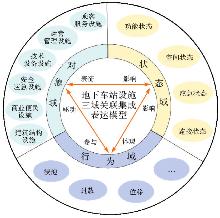
Fig. 1
Tri-domain integrated representation model of underground station facilities under flood impact"
Tab. 1
Classification and functional attributes of underground station facilities"
| 设施类别 | 功能属性 |
|---|---|
| 乘客服务设施 | 提供乘客通行、购票、候车、信息指引等服务 |
| 运营管理设施 | 支撑列车调度、设备监控、数据传输与能源供应 |
| 技术设备设施 | 实现排水、消防、温控、列车运行等关键技术功能 |
| 安全应急设施 | 提供紧急响应能力,保障人员安全与关键设备功能延续性 |
| 商业便民设施 | 提升车站服务多样性,间接影响客流分布与应急疏散路径规划 |
| 建筑结构设施 | 构成车站物理空间骨架 |
Tab. 2
Facility coupling relationships and cascading effect mechanisms"
| 关系类型 | 说明 | 级联效应机制 |
|---|---|---|
| 物理连接 | 设施间的刚性结构关联 | 通过结构破坏直接引发洪水渗透或力学失效,形成物理层面的级联传播路径 |
| 功能依赖 | 设施间的能量或功能传递依赖 | 通过功能中断触发下游设施的连锁失效,形成能量流或控制流的级联效应 |
| 信息交互 | 设施间的监测与控制反馈 | 通过信息误传或延迟导致决策失误,间接放大洪水风险 |
| 空间邻近 | 设施间的地理分布关联 | 通过洪水扩散路径影响周边设施,形成空间层面的级联传播 |

Fig. 2
Knowledge graph instantiation mapping for underground station facilities"
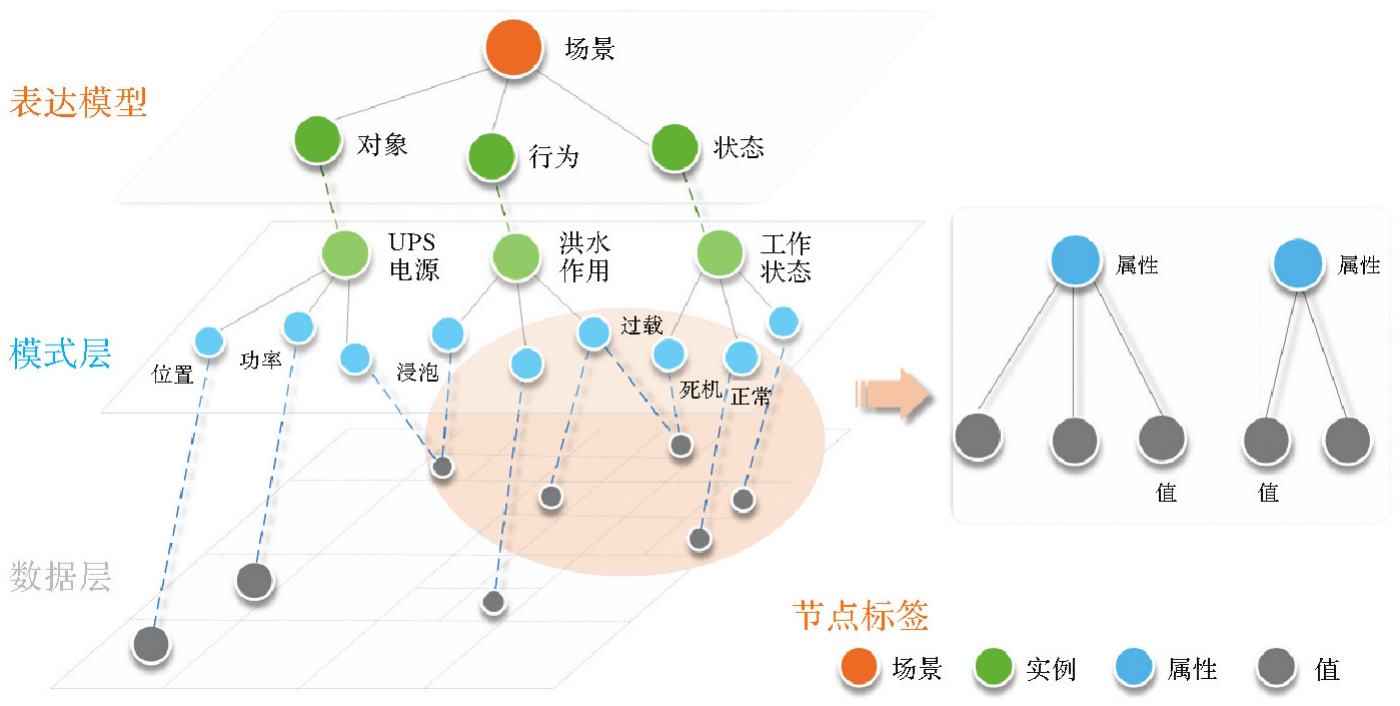
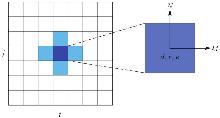
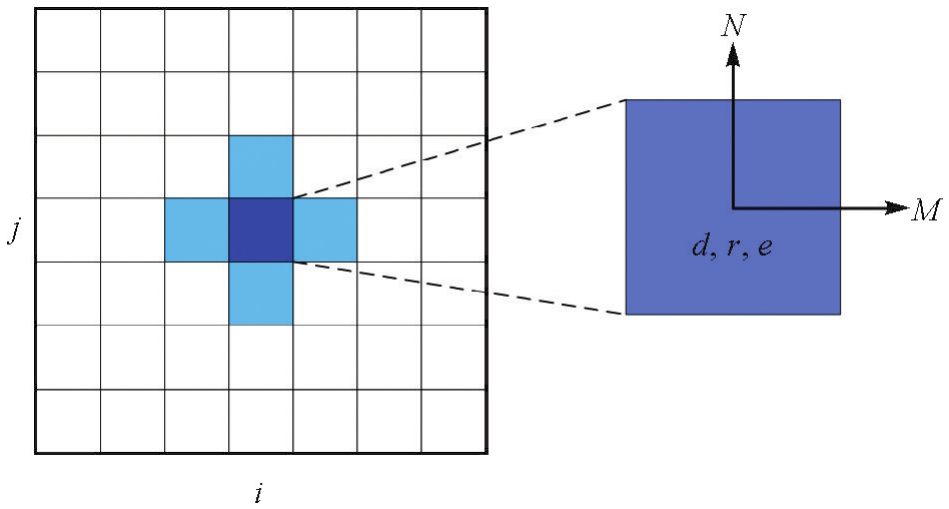
Fig. 3
Flood cellular automata structure and Von Neumann neighborhood"
Tab. 3
Range of roughness coefficients"
| 糙率分区 | 参数取值范围 | 观测糙率值 |
|---|---|---|
| 硬质区域 | 0.015~0.035 | 0.025 |
| 田地 | 0.05~0.15 | 0.10 |
| 树林 | 0.08~0.15 | 0.12 |
| 草地 | 0.03~0.08 | 0.05 |
| 河槽 | 0.02~0.05 | 0.03 |
| 卵石滩地 | 0.04~0.10 | 0.07 |
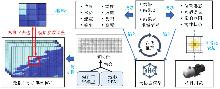
Fig. 4
Coupled interaction process between flood evolution and facility components"

Tab. 4
Grading standards of multi-dimensional damage assessment mechanism"
| 级别 | 一般定义 | 组件级别 | 子系统级别 | 系统级别 |
|---|---|---|---|---|
| L0无明显损坏 | 水深过浅,不会影响结构或功能。该实体仍保持在其设计运行状态。 | •部件完好无损,无物理变形 •与洪水接触极少或没有接触 •性能参数在设计限值范围 •浸泡时间≤0.5 h | •所有关键组件完好无损,未受洪水影响 •组件间连接正常(接点处无水接触) •子系统功能保持稳定,运行参数正常 | •整体系统结构稳定,未受影响所有子系统接口功能正常 •系统承载力和运行能力保持在设计水平 |
| L1轻微损坏 | 有少量进水或表面污损,但无基本功能损伤。经过快速、简单的维修后可回复全部功能。 | •元件/表面轻微受潮或污损,无明显变形 •性能参数略有波动,但仍在可接受范围内 •浸泡时间0.5~2 h | •若干关键组件受到轻微影响或连接略松动 •性能略有下降,但子系统仍能满足基本功能要求 | •整体系统仍保持功能正常,尽管安全余量略有降低 •局部维护可及时恢复全部设计容量 |
| L2中等损害 | 水深或浸泡时间导致结构或运行性能明显下降。需要进行中等程度的修复以恢复至正常状态。 | •部件出现局部材料退化、轻微变形或部分损坏 •性能参数明显下降,需要计划性维护 •浸泡时间2~6 h | •子系统的多个关键部件出现明显的性能下降 •部分功能受限(如,效率减半)或需要采取临时措施以维持运行 | •系统功能明显下降 •需要在子系统层面进行中等程度的维修或部件更换才能恢复至正常服务级别 |
| L3严重损坏 | 高水深或长时间浸泡会导致严重的结构和功能损坏,需要进行重大维修或部分重建。 | •部件出现明显的结构变形、材料损失或故障 •性能参数严重偏离设计值 •浸泡时间6~12 h | •关键子系统组件严重损坏,部分功能完全丧失 •子系统运行受到严重干扰或停止 | •系统功能明显下降 •需要在子系统层面进行中等程度的维修或部件更换才能恢复至正常服务级别 |
| L4彻底失效 | 核心结构或关键设备无法运作,系统失去所有功能。 | •部件彻底损坏,无法修复,无残留功能剩余 •浸泡时间≥12 h | 核心子系统组件完全失败 •子系统完全无法运行,无法执行其设计功能 | •系统几乎完全无法运行 •需要全面重建或长期修复才能恢复运行能力 |
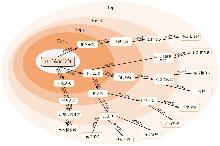
Fig. 5
Cascading propagation path"

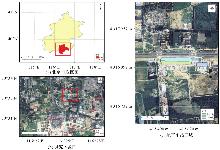
Fig. 6
Case study area"

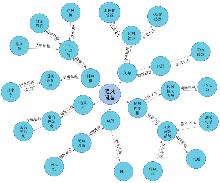
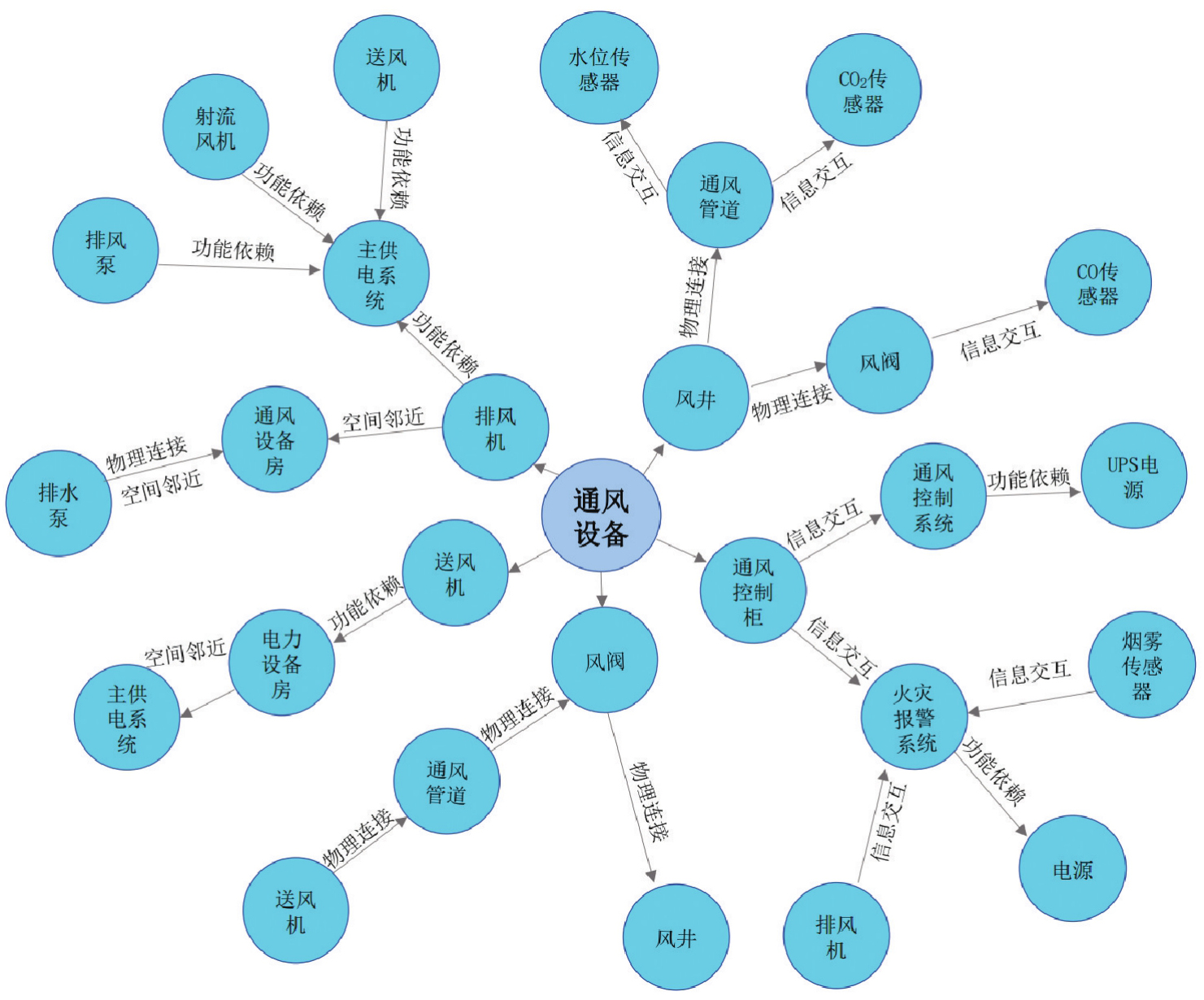
Fig. 7
Knowledge graph of underground station venfilation facilities"
Tab. 5
Underground station entities"
| 设施类别 | 核心实体数量 | 部分实体 | 脆弱性关联 |
|---|---|---|---|
| 乘客服务设施 | 43 | 自动扶梯、垂直电梯、导向标识、照明系统 | 洪水浸泡导致停运,间接影响疏散效率 |
| 运营管理设施 | 52 | 信号系统、通信设备、UPS电源、监控系统 | 关键能源与控制节点,失效引发系统级联 |
| 技术设备设施 | 86 | 排水泵、暖通空调、轨道设备、配电柜 | 直接暴露于洪水环境,功能失效触发连锁反应 |
| 安全应急设施 | 33 | 防淹门、应急照明、消防栓、紧急疏散通道 | 防御性设施,失效加剧洪水风险 |
| 商业便民设施 | 11 | 自动售货机、充电桩、行李寄存柜、公共电话 | 间接影响客流分布,非关键级联节点 |
| 建筑结构设施 | 105 | 主体结构、防水层、基坑支护、防火分区隔墙 | 基础设施,损坏导致全局稳定性下降 |
Tab. 6
Facility cascading relationships"
| 关系类型 | 关系数量 | 实体 | 级联效应路径 |
|---|---|---|---|
| 物理连接 | 512 | 排水泵—防水层 | 防水层破损→泵房进水→排水泵失效→积水扩散 |
| 功能依赖 | 603 | UPS电源—信号系统 | UPS失效→信号系统断电→列车停运→乘客滞留 |
| 信息交互 | 247 | 水位传感器—泵站控制 | 传感器误报→排水泵未启动→积水超阈值→防淹门关闭 |
| 空间邻近 | 67 | 出入口坡道—站厅设备 | 洪水涌入→配电柜淹没→电力瘫痪 |
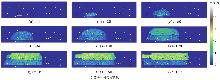
Fig. 8
Flood simulation results and component distribution"

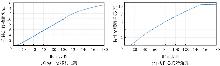
Fig. 9
Displacement and rotation results of components"
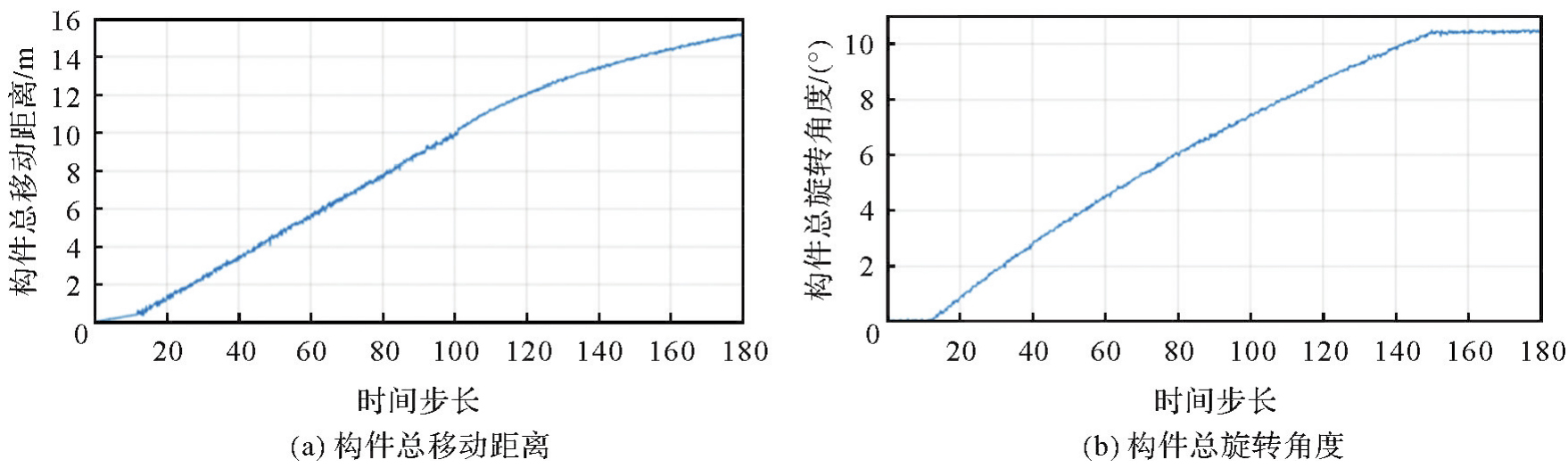
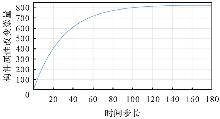
Fig. 10
Number of functional changes of components"
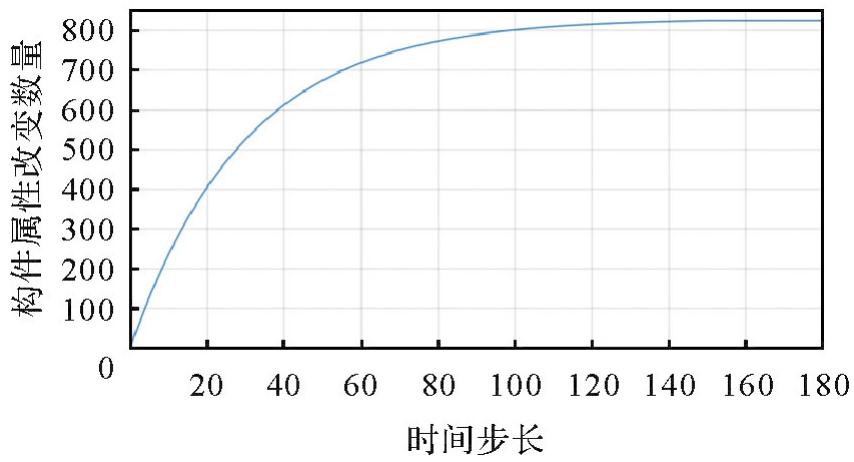
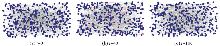
Fig. 11
Entity attribute changes at selected time points"
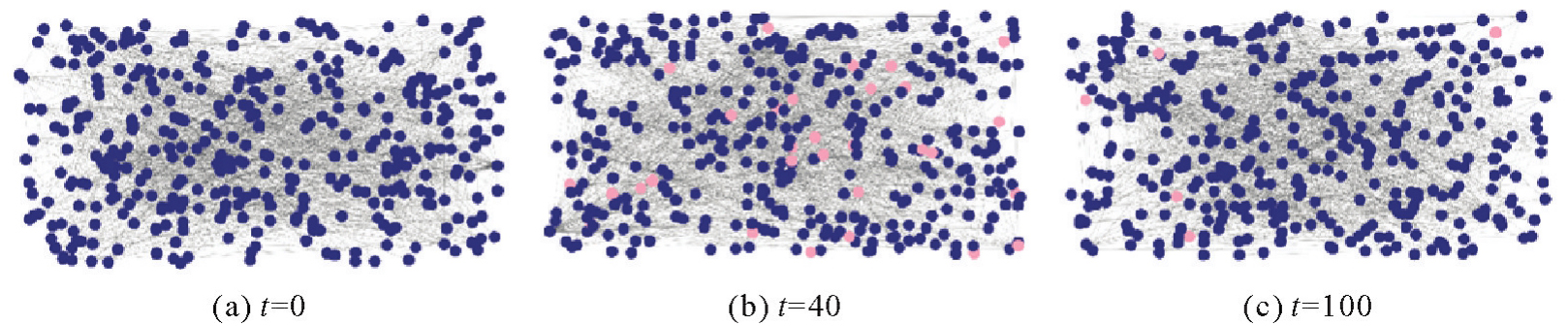
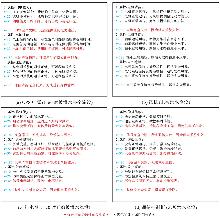
Fig. 12
Partial entity attribute changes in the case area"

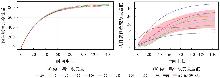
Fig. 13
Comparison of component attribute change counts under progressive disturbances"


Fig. 14
Impact of model scale on inference performance of DeepSeek-R1"

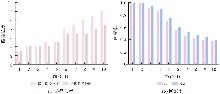
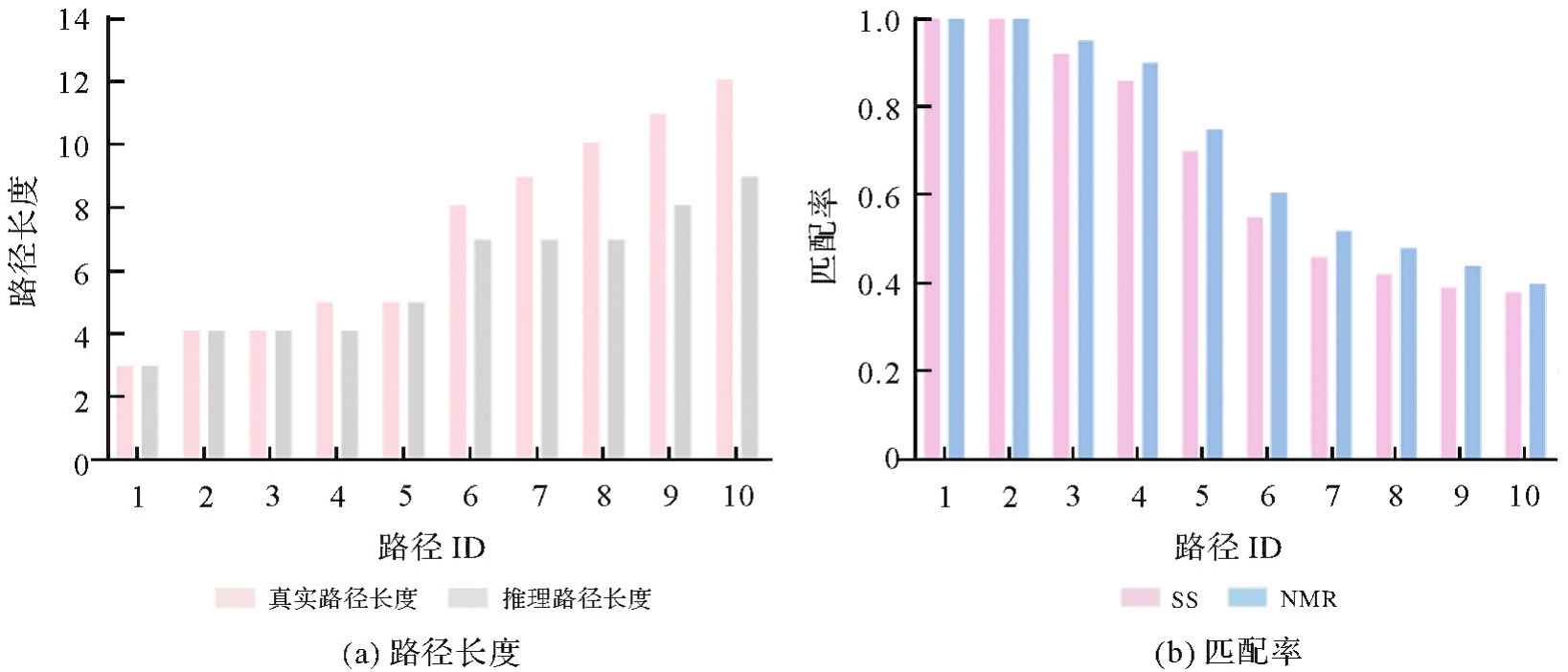
Fig. 15
Comparison of model inference results with expert paths based on NMR and SS Metrics"
| [1] | 卢春房, 卢炜. 综合立体交通运输体系发展策略[J]. 铁道学报, 2022, 44(1): 1-7. |
| LU Chunfang, LU Wei. Development strategies of comprehensive stereoscopic transportation system[J]. Journal of the China Railway Society, 2022, 44(1): 1-7. | |
| [2] | 陈湘生, 付艳斌, 陈曦, 等. 地下空间施工技术进展及数智化技术现状[J]. 中国公路学报, 2022, 35(1): 1-12. |
| CHEN Xiangsheng, FU Yanbin, CHEN Xi, et al. Progress in underground space construction technology and technical challenges of digital intelligence[J]. China Journal of Highway and Transport, 2022, 35(1): 1-12. | |
| [3] | 王同军, 马伟斌, 王勇. 京张高铁八达岭长城地下车站建造及运营关键技术[J]. 隧道建设(中英文), 2023, 43(1): 1-16. |
| WANG Tongjun, MA Weibin, WANG Yong. Key technologies for construction and operation of Badaling great wall underground station on Beijing-Zhangjiakou high-speed railway[J]. Tunnel Construction, 2023, 43(1): 1-16. | |
| [4] | 沈智, 李飞, 刘红良, 等. 京张高铁地下站隧智能展示技术的探索与实践[J]. 铁路计算机应用, 2023, 32(2): 47-52. |
| SHEN Zhi, LI Fei, LIU Hongliang, et al. Intelligent display technology of Beijing-Zhangjiakou high-speed railway underground station tunnel[J]. Railway Computer Application, 2023, 32(2): 47-52. | |
| [5] | LI Weilian, HAUNERT J H, KNECHTEL J, et al. Social media insights on public perception and sentiment during and after disasters: the European floods in 2021 as a case study[J]. Transactions in GIS, 2023, 27(6): 1766-1793. |
| [6] | ZHU Jun, DANG Pei, CAO Yungang, et al. A flood knowledge-constrained large language model interactable with GIS: enhancing public risk perception of floods[J]. International Journal of Geographical Information Science, 2024, 38(4): 603-625. |
| [7] |
胡亚, 朱军, 李维炼, 等. 移动VR洪水灾害场景构建优化与交互方法[J]. 测绘学报, 2018, 47(8): 1123-1132. DOI: .
doi: 10.11947/j.AGCS.2018.20180114 |
|
HU Ya, ZHU Jun, LI Weilian, et al. A construction optimization and interaction method for flood disaster scenes based on mobile VR[J]. Acta Geodaetica et Cartographica Sinica, 2018, 47(8): 1123-1132. DOI: .
doi: 10.11947/j.AGCS.2018.20180114 |
|
| [8] | 乔欢. 暴雨情景下深基坑工程灾害风险评价研究[D]. 武汉: 武汉理工大学, 2020. |
| QIAO Huan. Research on disaster risk assessment of deep foundation pit under rainstorm environment[D]. Wuhan: Wuhan University of Technology, 2020. | |
| [9] | 周清华, 杨璟林, 李纯, 等. 京张高铁八达岭地下站及隧道工程信息模型一致性表达[J]. 铁路计算机应用, 2022, 31(10): 26-32. |
| ZHOU Qinghua, YANG Jinglin, LI Chun, et al. Consistent expression of information model of Badaling underground station and tunnel engineering[J]. Railway Computer Application, 2022, 31(10): 26-32. | |
| [10] | ALABBAD Y, MOUNT J, CAMPBELL A M, et al. Assessment of transportation system disruption and accessibility to critical amenities during flooding: Iowa case study[J]. Science of the Total Environment, 2021, 793: 148476. |
| [11] | GUIMARÃES L F, BATTEMARCO B P, OLIVEIRA A K B, et al. A new approach to assess cascading effects of urban floods[J]. Energy Reports, 2021, 7: 8357-8367. |
| [12] | SELVAM R A, ANTONY JEBAMALAI A R. Application of the analytical hierarchy process (AHP) for flood susceptibility mapping using GIS techniques in Thamirabarani river basin, Srivaikundam region, Southern India[J]. Natural Hazards, 2023, 118(2): 1065-1083. |
| [13] | LÖWE R, BÖHM J, JENSEN D G, et al. U-FLOOD-Topographic deep learning for predicting urban pluvial flood water depth[J]. Journal of Hydrology, 2021, 603: 126898. |
| [14] | 朱军, 尹灵芝, 曹振宇, 等. 时空过程网络可视化模拟与分析服务:以溃坝洪水为例[J]. 地球信息科学学报, 2015, 17(2): 215-221. |
| ZHU Jun, YIN Lingzhi, CAO Zhenyu, et al. Network simulation and visual analysis of spatiotemporal process: a case study of dam-break flood routing[J]. Journal of Geo-information Science, 2015, 17(2): 215-221. | |
| [15] | MA Bingyan, WU Zening, HU Caihong, et al. Process-oriented SWMM real-time correction and urban flood dynamic simulation[J]. Journal of Hydrology, 2022, 605: 127269. |
| [16] |
赖广陵, 童晓冲, 张勇, 等. 基于六边形格网的城市内涝洪水演进方法研究[J]. 测绘学报, 2016, 45(S1): 144-151. DOI: .
doi: 10.11947/j.AGCS.2016.F018 |
|
LAI Guangling, TONG Xiaochong, ZHANG Yong, et al. Research on the method of urban waterlogging flood routing based on hexagonal grid[J]. Acta Geodaetica et Cartographica Sinica, 2016, 45(S1): 144-151. DOI: .
doi: 10.11947/j.AGCS.2016.F018 |
|
| [17] | 沈定涛, 王结臣, 张煜, 等. 一种面向海量数字高程模型数据的洪水淹没区快速生成算法[J]. 测绘学报, 2014, 43(6): 645-652. |
| SHEN Dingtao, WANG Jiechen, ZHANG Yu, et al. A quick flood inundation algorithm based on massive DEM data[J]. Acta Geodaetica et Cartographica Sinica, 2014, 43(6): 645-652. | |
| [18] | YIN Yunzhu, VAL D V, ZOU Qingping, et al. Resilience of critical infrastructure systems to floods: a coupled probabilistic network flow and LISFLOOD-FP model[J]. Water, 2022, 14(5): 683. |
| [19] |
杨元喜. 地理空间数字孪生与时空智能[J]. 测绘学报, 2025, 54(2): 213-220. DOI: .
doi: 10.11947/j.AGCS.2025.20240515 |
|
YANG Yuanxi. Digital twin and spatio-temporal intelligence of geospatial information system[J]. Acta Geodaetica et Cartographica Sinica, 2025, 54(2): 213-220. DOI: .
doi: 10.11947/j.AGCS.2025.20240515 |
|
| [20] |
蒋秉川, 万刚, 许剑, 等. 多源异构数据的大规模地理知识图谱构建[J]. 测绘学报, 2018, 47(8): 1051-1061. DOI: .
doi: 10.11947/j.AGCS.2018.20180113 |
|
JIANG Bingchuan, WAN Gang, XU Jian, et al. Geographic knowledge graph building extracted from multi-sourced heterogeneous data[J]. Acta Geodaetica et Cartographica Sinica, 2018, 47(8): 1051-1061. DOI: .
doi: 10.11947/j.AGCS.2018.20180113 |
|
| [21] | ZHANG Jinbin, ZHU Jun, ZHOU Yuxuan, et al. Exploring geospatial digital twins: a novel panorama-based method with enhanced representation of virtual geographic scenes in virtual reality (VR)[J]. International Journal of Geographical Information Science, 2024, 38(11): 2301-2324. |
| [22] | JAECH A, KALAI A, LERER A, et al. Openai o1 system card[EB/OL]. [2025-06-30]. https://arxiv.org/abs/2412.16720. |
| [23] | XUE Zhiwen, XU Chong, XU Xiwei. Application of ChatGPT in natural disaster prevention and reduction[J]. Natural Hazards Research, 2023, 3(3): 556-562. |
| [24] | 夏铭辉, 秦景, 牛文龙, 等. 基于BP神经网络的HEC-RAS二维模型糙率参数自动率定[J]. 水利水电技术, 2020, 51(5): 38-46. |
| XIA Minghui, QIN Jing, NIU Wenlong, et al. BP neural network-based automatic calibration of roughness parameter for HEC-RAS 2D model[J]. Water Resources and Hydropower Engineering, 2020, 51(5): 38-46. | |
| [25] | DEEPSEEK-AI, GUO Daya, YANG Dejian, et al. DeepSeek-R1: incentivizing reasoning capability in LLMs via reinforcement learning[EB/OL]. [2025-06-30]. https://arxiv.org/abs/2501.12948. |
| [26] |
吴华意, 沈张骁, 侯树洋, 等. 大语言模型驱动的GIS分析:方法、应用与展望[J]. 测绘学报, 2025, 54(4): 621-635. DOI: .
doi: 10.11947/j.AGCS.2025.20240468 |
|
WU Huayi, SHEN Zhangxiao, HOU Shuyang, et al. Large language model-driven GIS analysis: methods, applications, and prospects[J]. Acta Geodaetica et Cartographica Sinica, 2025, 54(4): 621-635. DOI: .
doi: 10.11947/j.AGCS.2025.20240468 |
|
| [27] | LI Yi, GONG Jianhua, LIU Heng, et al. Real-time flood simulations using CA model driven by dynamic observation data[J]. International Journal of Geographical Information Science, 2015, 29(4): 523-535. |
| [28] | LI Yi, GONG Jianhua, ZHU Jun, et al. Spatiotemporal simulation and risk analysis of dam-break flooding based on cellular automata[J]. International Journal of Geographical Information Science, 2013, 27(10): 2043-2059. |
| [1] | Zhiwei WEI, Nai YANG, Yijie WANG, Hua LIAO, Mengjie ZHOU, Wenjia XU. MapColor-Agent:a large language model-integrated multi-agent framework for administrative map color design [J]. Acta Geodaetica et Cartographica Sinica, 2026, 55(2): 359-370. |
| [2] | Haoyu WU, Qing ZHU, Yulin DING, Liu BAO, Li LIU. High-precision digital twin modeling of tunnel surrounding rock driven by data model knowledge collaboration [J]. Acta Geodaetica et Cartographica Sinica, 2025, 54(10): 1893-1906. |
| [3] | Jiayi TANG, Xiaochong TONG, Chunping QIU, Yaxian LEI, Yi LEI, Haoshuai SONG. Remote sensing scene retrieval method based on scene graph [J]. Acta Geodaetica et Cartographica Sinica, 2025, 54(1): 123-135. |
| [4] | Yan SHI, Da WANG, Min DENG, Xuexi YANG. Spatio-temporal anomaly detection: connotation transformation and implementation path from data-driven to knowledge-driven modeling [J]. Acta Geodaetica et Cartographica Sinica, 2024, 53(8): 1493-1504. |
| [5] | Yansheng LI, Minlang WU, Yongjun ZHANG. Knowledge graph-guided deep network for high-resolution remote sensing image scene classification [J]. Acta Geodaetica et Cartographica Sinica, 2024, 53(4): 677-688. |
| [6] | Jia LI, Jing LI, Haiyan LIU, Chuanwei LU, Xiaohui CHEN, Junnan LIU, Wen SHI. Trajectory prediction enhanced by geographic knowledge graph and multi-spatio temporal constraints [J]. Acta Geodaetica et Cartographica Sinica, 2024, 53(10): 2021-2033. |
| [7] | WEI Zhiwei, XIAO Yi, TONG Ying, XU Wenjia, WANG Yang. Linear building pattern recognition via spatial knowledge graph [J]. Acta Geodaetica et Cartographica Sinica, 2023, 52(8): 1355-1363. |
| [8] | SHEN Li, XU Zhu, LI Zhilin, LIU Wanzeng, CUI Bingliang. From geographic information service to geographic knowledge service: research issues and development roadmap [J]. Acta Geodaetica et Cartographica Sinica, 2021, 50(9): 1194-1202. |
| [9] | LIU Wanzeng, CHEN Jun, ZHAI Xi, LI Ran, WANG Xinpeng, ZHAO Yong, ZHU Xiuli, XU Zhu, ZHAO Tingting, PENG Yunlu, SHEN Li. Research progress and application of spatiotemporal knowledge center [J]. Acta Geodaetica et Cartographica Sinica, 2021, 50(9): 1183-1193. |
| [10] | ZHU Qing, ZENG Haowei, DING Yulin, XIE Xiao, LIU Fei, ZHANG Liguo, LI Haifeng, HU Han, ZHANG Junxiao, CHEN Li, CHEN Lin, ZHANG Pengcheng, HE Huagui. A review of major potential landslide hazards analysis [J]. Acta Geodaetica et Cartographica Sinica, 2019, 48(12): 1551-1561. |
| [11] | JIANG Bingchuan, WAN Gang, XU Jian, LI Feng, WEN Huiqi. Geographic Knowledge Graph Building Extracted from Multi-sourced Heterogeneous Data [J]. Acta Geodaetica et Cartographica Sinica, 2018, 47(8): 1051-1061. |
| Viewed | ||||||
|
Full text |
|
|||||
|
Abstract |
|
|||||
