
Acta Geodaetica et Cartographica Sinica ›› 2025, Vol. 54 ›› Issue (1): 165-181.doi: 10.11947/j.AGCS.2025.20240175
• Cartography and Geoinformation • Previous Articles Next Articles
Shiliang SU( ), Zichun LI, Qingyun DU, Qianqian LI, Mengjun KANG, Min WENG
Received:2024-04-25
Revised:2024-10-29
Online:2025-02-17
Published:2025-02-17
About author:SU Shiliang (1985—), male, PhD, professor, majors in geocomputation and geovisualization. E-mail: shiliangsu@whu.edu.cn
Supported by:CLC Number:
Shiliang SU, Zichun LI, Qingyun DU, Qianqian LI, Mengjun KANG, Min WENG. Symbols of narrative maps: compositional structure and working mechanism[J]. Acta Geodaetica et Cartographica Sinica, 2025, 54(1): 165-181.
Fig. 1
The symbols system of narrative maps"
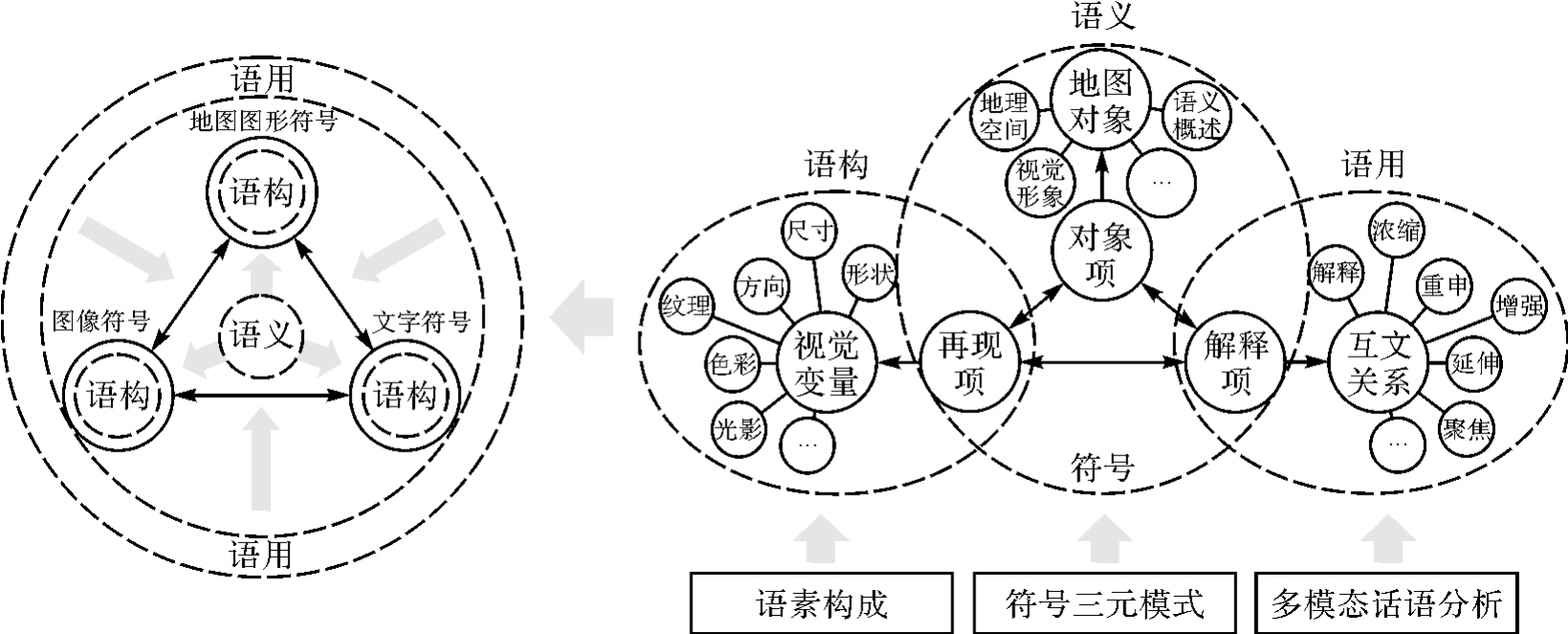
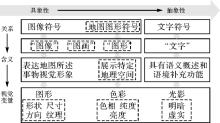
Fig. 2
The relationships among the symbols of narrative maps, as well as their meanings and visual variables"
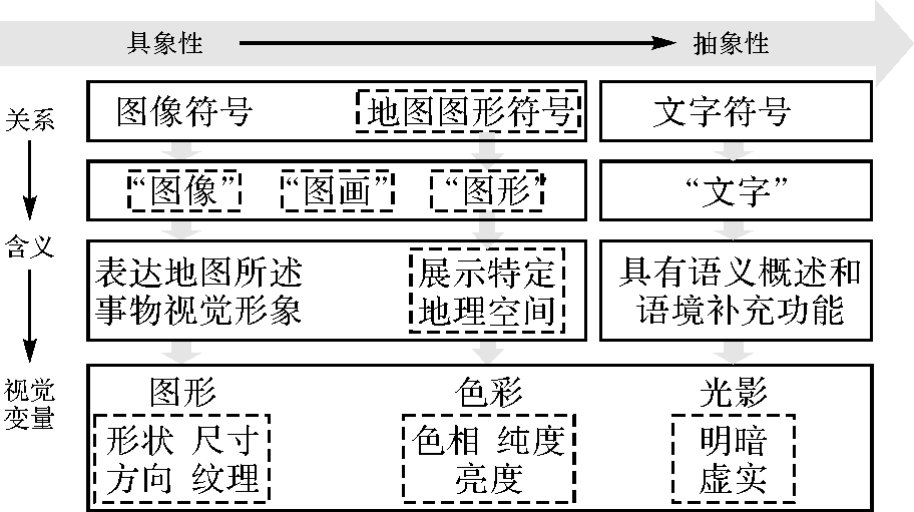
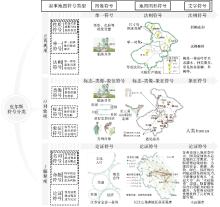
Fig. 3
The semantic characteristics of the symbols of narrative maps"

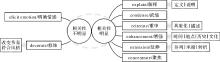
Fig. 4
The intertextuality among the three categories of symbols of narrative maps"
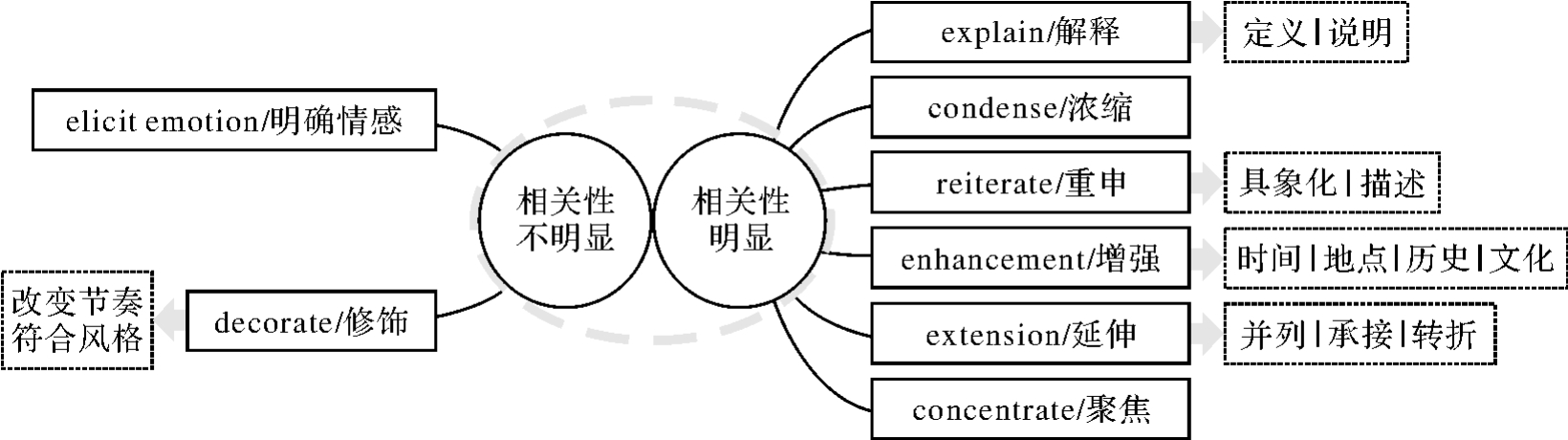
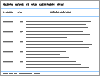
Tab. 1
The intertextuality between the map symbols and textural symbols of narrative maps"
| 互文关系 | 语义特征 |
|---|---|
| 解释 | 地图图形符号在成词过程中,需要文字符号进行简短标识,方便定义和说明表达对象。文字常以注记形式出现在地图中 |
| 浓缩 | 地图图形符号在成词过程中,需要文字符号进行提炼形成概括性表达。文字常以标题的形式出现在地图中 |
| 重申 | 文字符号实现了对地图图形符号表达内容的再次描述 |
| 增强 | 文字符号实现地图叙事时间、地点、历史、文化等背景信息的补充 |
| 地图图形符号实现地点信息补充,增强文字符号的表达效果 | |
| 延伸 | 文字符号与地图图形符号并行叙事,实现对地图或文字单独叙事效果的并列、承接或转折延伸 |
| 聚焦 | 由文字符号叙事聚焦到该主题下某一具体内容的地图化表达 |
| 由地图图形符号的叙事聚焦到地图上某一位置信息的文字化描述 |
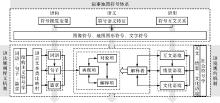
Fig. 5
The working mechanism of the symbols system of narrative maps"

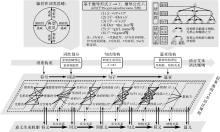
Fig. 6
The grammar rules and interpreting mechanism of narrative maps"

Tab. 2
Part of speech for the words of narrative maps"
| 词性 | 语义特征 | 案例 |
|---|---|---|
| 名词(N) | 3类符号中任意一种“单独”形成的对事物等的清晰表达,有较为明显的语义边界 | 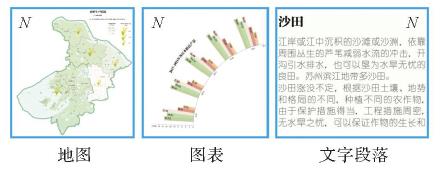 |
| 形容词(A) | 以图像符号、文字符号形式呈现,关系表现为对名词的“重申” | 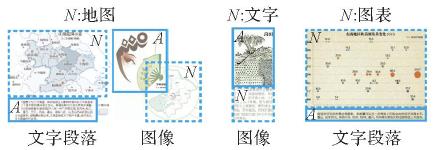 |
| 动词(V) | 多个名词之间连接的“路径”,以图像或图式呈现。关系表现为“延伸”或“聚焦” | 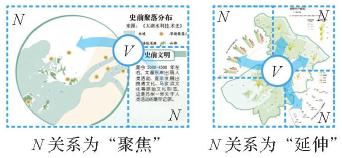 |
| 介词(P) | 以图式呈现,与名词组合构成介词短语,表示背景信息。关系表现为“增强” | 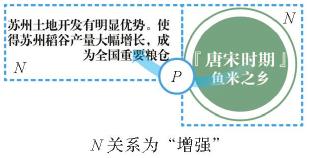 |
Tab. 3
The sentences, paragraphs and articles for the example of “Rice Cultivation Civilization”"
| 篇位 | 段落 | 句子 | ||||
|---|---|---|---|---|---|---|
| 主题 | 结构 | 案例 | 事件 | 结构 | 案例 | |
| P1 | 古代营田模式 | 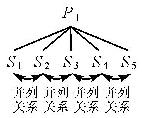 | 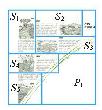 | 沙田 |  | 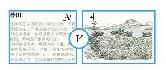 |
| P2 | 稻作文明史 | 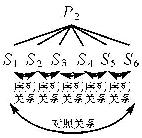 | 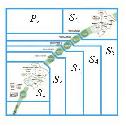 | 稻作起源 | 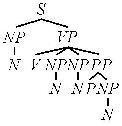 | 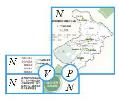 |
| 鱼米之乡 | 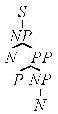 | 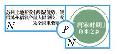 | ||||
| P3 | 现代稻作情况 | 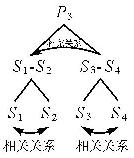 | 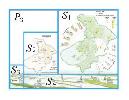 | 农业机械化情况 |  | 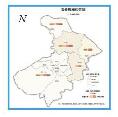 |
| 水稻生产情况 | 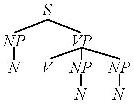 | 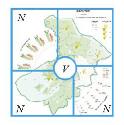 | ||||
| 稻作类型 | 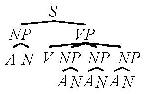 | 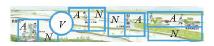 | ||||
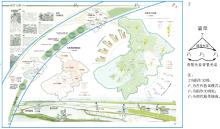
Fig. 7
The structure of the example of “Rice Cultivation Civilization”"

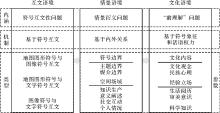
Fig. 8
The mechanism of context in meanings construction in narrative maps"
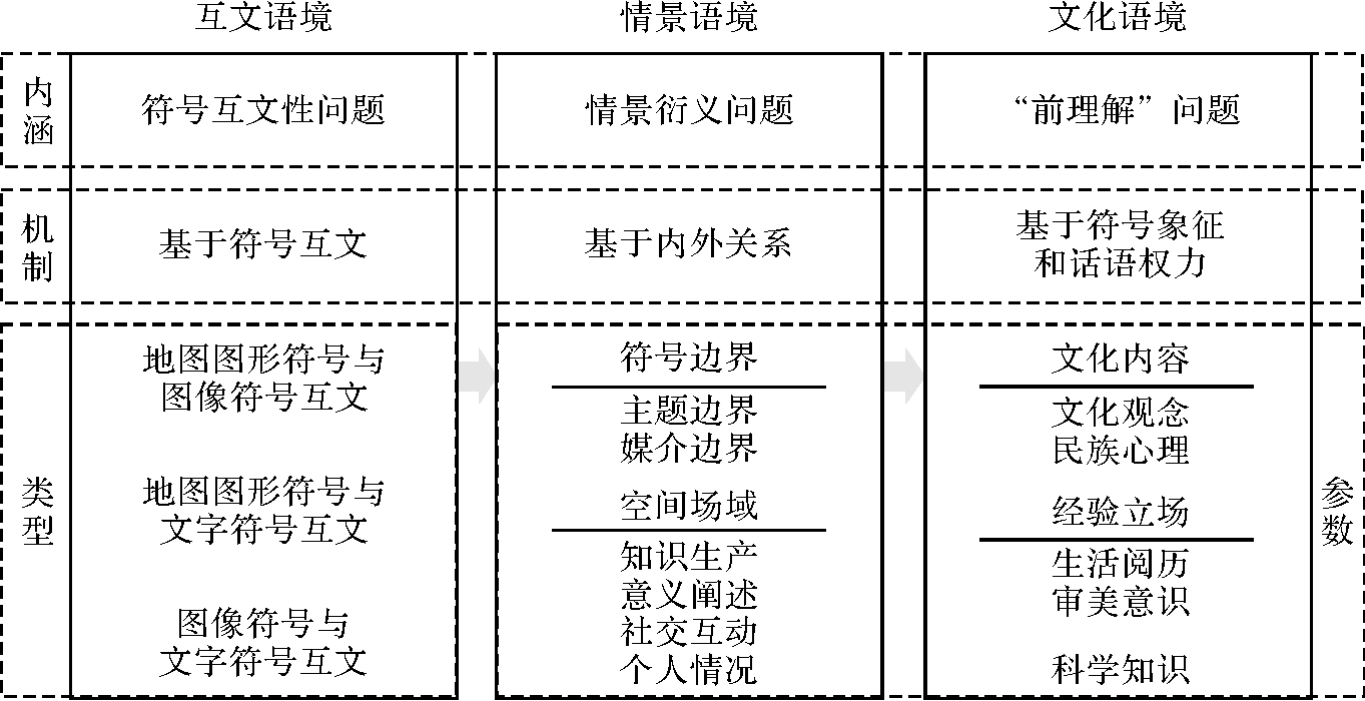
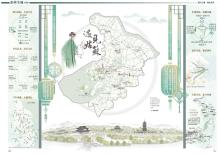
Fig. 9
The example of “Suzhou city”"

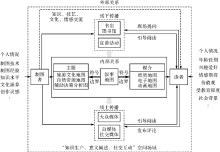
Fig. 10
The internal and external relationships in situational context"

| [1] | 陈嬿, 张琼文, 王嘉琪, 等. 地图符号与情绪效价对AR地图用户空间记忆的影响研究[J]. 图学学报, 2023, 44(2): 399-407. |
| CHEN Yan, ZHANG Qiongwen, WANG Jiaqi, et al. Effects of map symbols and emotional valence on AR map users' spatial memory[J]. Journal of Graphics, 2023, 44(2): 399-407. | |
| [2] | 乔莉鸽, 吴明光, 闾国年. 地图视觉变量语法结构的神经机理分析[J]. 地球信息科学学报, 2024, 26(1): 121-134. |
| QIAO Lige, WU Mingguang, LÜ Guonian. Neural mechanism analysis of cartographic visual variables syntactic construction[J]. Journal of Geo-information Science, 2024, 26(1): 121-134. | |
| [3] | 王成舜, 陈毓芬, 郑束蕾. 顾及眼动数据的网络地图点状符号用户兴趣分析方法[J]. 武汉大学学报(信息科学版), 2018, 43(9): 1429-1437. |
| WANG Chengshun, CHEN Yufen, ZHENG Shulei. User interest analysis method of web map point symbol considering eye movement data[J]. Geomatics and Information Science of Wuhan University, 2018, 43(9): 1429-1437. | |
| [4] | 何曼丽, 唐曦, 黄余明. 轨道交通线路图的站点符号表达对信息搜索速率的影响分析[J]. 地球信息科学学报, 2011, 13(3): 424-430。 |
| HE Manli, TANG Xi, HUANG Yuming. The impacts of station symbols in urban rail-transit maps on the information search efficiency[J]. Journal of Geo-information Science, 2011, 13(3): 424-430. | |
| [5] | 何晶, 张红, 曹炜威, 等. 地图符号拓扑紧凑性和异质性信息测度[J]. 测绘科学, 2017, 42(1): 131-135. |
| HE Jing, ZHANG Hong, CAO Weiwei, et al. A new approach for quantifying the topological information considering the compact and heterogeneous structure of map symbols[J]. Science of Surveying and Mapping, 2017, 42(1): 131-135. | |
| [6] | 张晓楠, 江南, 张亚军, 等. 一种利用空间布局构建统计制图符号的方法[J]. 武汉大学学报(信息科学版), 2015, 40(12): 1653-1660. |
| ZHANG Xiaonan, JIANG Nan, ZHANG Yajun, et al. A building method of statistical cartographic symbols by using the space layout[J]. Geomatics and Information Science of Wuhan University, 2015, 40(12): 1653-1660. | |
| [7] | 洪必文, 曹青, 张翎, 等. 基于自然语言形态描述的地理实体模拟表达方法[J]. 地球信息科学学报, 2019, 21(10): 1491-1501. |
| HONG Biwen, CAO Qing, ZHANG Ling, et al. Simulated expression of geographical entities based on morphology description by natural language[J]. Journal of Geo-information Science, 2019, 21(10): 1491-1501. | |
| [8] | 付乐宜, 赵小阳, 吴凯华, 等. 科学绿化地理场景的动态符号设计与多尺度表达[J]. 测绘通报, 2023(11): 88-94. |
| FU Leyi, ZHAO Xiaoyang, WU Kaihua, et al. Dynamic symbol design and multi-scale representation of scientific greening geographical scene[J]. Bulletin of Surveying and Mapping, 2023(11): 88-94. | |
| [9] |
田江鹏, 游雄, 贾奋励, 等. 地图符号的认知语义分析与动态生成[J]. 测绘学报, 2017, 46(7): 928-938. DOI:.
doi: 10.11947/J.AGCS.2017.20160504 |
|
TIAN Jiangpeng, YOU Xiong, JIA Fenli, et al. Cognitive semantic analysis and dynamic generation of cartographic symbols[J]. Acta Geodaetica et Cartographica Sinica, 2017, 46(7): 928-938. DOI:.
doi: 10.11947/j.AGCS.2017.20160504 |
|
| [10] | 余懿韬, 闫浩文, 李精忠, 等. 面向微地图的手绘地图符号自动提取方法[J]. 地球信息科学学报, 2024, 26(7): 1646-1658. |
| YU Yitao, YAN Haowen, LI Jingzhong, et al. Automatic extraction method of point symbols in modern hand-drawn maps for We-Map[J]. Journal of Geo-information Science, 2024, 26(7): 1646-1658. | |
| [11] | 周海霞, 霍亮, 朱杰, 等. 本体驱动下的地图符号共享方法研究[J]. 测绘通报, 2019(3): 81-85. |
| ZHOU Haixia, HUO Liang, ZHU Jie, et al. Research on ontology driven map symbol sharing method[J]. Bulletin of Surveying and Mapping, 2019(3): 81-85. | |
| [12] | 苏世亮, 张江玥, 杜清运, 等. 历史文化风貌区叙事地图设计——可读性框架与表达策略[J]. 测绘科学, 2021, 46(10): 194-201. |
| SU Shiliang, ZHANG Jiangyue, DU Qingyun, et al. Narrative map design for the areas with historical cultural features——readable framework and visualization strategy[J]. Science of Surveying and Mapping, 2021, 46(10): 194-201. | |
| [13] | 苏世亮, 王令琦, 杜清运, 等. 隐喻地图的基本理论问题[J]. 地球信息科学学报, 2024, 26(1): 72-84. |
| SU Shiliang, WANG Lingqi, DU Qingyun, et al. Fundamental theoretical issues of metaphorical map[J]. Journal of Geo-information Science, 2024, 26(1): 72-84. | |
| [14] |
苏世亮, 王令琦, 杜清运, 等. 叙事地图的基本理论问题——逻辑理据、概念界定、表征机制与研究议题[J]. 测绘学报, 2023, 52(12): 2178-2196. DOI:.
doi: 10.11947/J.AGCS.2023.20220324 |
|
SU Shiliang, WANG Lingqi, DU Qingyun, et al. Revisiting narrative maps: fundamental theoretical issues and a research agenda[J]. Acta Geodaetica et Cartographica Sinica, 2023, 52(12): 2178-2196. DOI:.
doi: 10.11947/j.AGCS.2023.20220324 |
|
| [15] | 吴明光, 郑培蓓, 邓国臣, 等. 线对象V-O分解与符号化算法[J]. 武汉大学学报(信息科学版), 2016, 41(3): 421-426. |
| WU Mingguang, ZHENG Peibei, DENG Guochen, et al. V-O tessellation: an algorithm for polyline symbolization[J]. Geomatics and Information Science of Wuhan University, 2016, 41(3): 421-426. | |
| [16] | 周玉科, 周成虎, 马廷, 等. 数字地图要素样式结构化存储表达研究与实现[J]. 地理与地理信息科学, 2012, 28(3): 7-10. |
| ZHOU Yuke, ZHOU Chenghu, MA Ting, et al. Research and implementation on structured store and expression of digital map feature style[J]. Geography and Geo-information Science, 2012, 28(3): 7-10. | |
| [17] | 陈泰生, 陈梦琳, 孙敬杰, 等. 一种GIS共享图形软件符号的方法[J]测绘科学, 2016, 41(8): 116-120. |
| CHEN Taisheng, CHEN Menglin, SUN Jingjie, et al. A method of sharing graphic symbols for GIS[J] Science of Surveying and Mapping, 2016, 41(8): 116-120. | |
| [18] | HARLEY J B. Historical geography and the cartographic illusion[J]. Journal of Historical Geography, 1989, 15(1): 80-91. |
| [19] | 魏文展, 钟业勋, 彭月英, 等. 点状、线状和面状地图符号数学定义的研究[J]. 武汉大学学报(信息科学版), 2002, 27(4): 424-426. |
| WEI Wenzhan, ZHONG Yexun, PENG Yueying, et al. Mathematical definitions of point, line and area symbols in cartography[J]. Geomatics and Information Science of Wuhan University, 2002, 27(4): 424-426. | |
| [20] | 黄鹄, 钟业勋. 点线面状地图符号定义的简化与统一[J]. 测绘科学, 2005, 30(6): 69-70. |
| HUANG Hu, ZHONG Yexun. The simplify and unify of point, line and area map symbol definition[J]. Science of Surveying and Mapping, 2005, 30(6): 69-70. | |
| [21] | 弗迪南·德·索绪尔. 普通语言学教程[M]. 高名凯,译. 北京: 商务印书馆, 1980. |
| Ferdinand de Saussure. Cours de linguistique générale[M]. GAO Mingkai, trans. Beijing: The Commercial Press, 1980. | |
| [22] | MORRIS C W. Writings on the general theory of signs[M]. The Hague: Mouton, 1971: 45. |
| [23] | 尚必武, 胡全生. 经典、后经典、后经典之后:试论叙事学的范畴与走向[J]. 当代外国文学, 2007(3): 120-128. |
| SHANG Biwu, HU Quansheng. After the classic: on the category and trend of narrative studies[J]. Contemporary Foreign Literature, 2007(3): 120-128. | |
| [24] | PEIRCE C S. The collected papers of Charles Sanders Peirce[M]. Cambridge: Harvard University Press, 1998: 1931-1935. |
| [25] | HODGE R, KRESS G. Social semiotics, style and ideology[M]//Sociolinguistics. London: Macmillan Education UK, 1997: 49-54. |
| [26] | 荆其诚. 人类的视觉[M]. 北京: 科学出版社, 1987: 58. |
| JING Qicheng. Human Vision[M]. Beijing: Science Press, 1987: 58. | |
| [27] | W·J·T·米歇尔. 图像理论[M]. 陈永国, 胡文征,译. 北京: 北京大学出版社, 2006: 5. |
| MICHELLE W J T. Picture theory[M]. CHEN Yongguo, HU Wenzheng, trans. Beijing: Peking University Press, 2006: 5. | |
| [28] | 凌善金, 王晓铃, 丁园园. 静态地图符号视觉变量的分类及作用[J]. 安徽师范大学学报(自然科学版), 2017, 40(1): 69-76. |
| LING Shanjin, WANG Xiaoling, DING Yuanyuan. Classification and function of the visual variables of static map symbol[J]. Journal of Anhui Normal University (Natural Science), 2017, 40(1): 69-76. | |
| [29] | 刘和海. 符号学视角下的“图像语言”研究[D]. 南京: 南京师范大学, 2017. |
| LIU Hehai. A study of “image language” from the perspective of semiotics[D]. Nanjing: Nanjing Normal University, 2017. | |
| [30] | 万雨竹. 光影效应在文字设计中的应用研究[D]. 杭州: 中国美术学院, 2018. |
| WAN Yuzhu. The application of light and shadow effect in Typography[D]. Hangzhou: China Academy of Art, 2018. | |
| [31] | 季海宏. 皮尔斯符号学思想探索[D]. 南京: 南京师范大学, 2011. |
| JI Haihong. Exploration of Pierce's semiotics thought[D]. Nanjing: Nanjing Normal University, 2011. | |
| [32] | 玛蒂娜·乔丽. 图像分析[M]. 怀宇,译. 天津: 天津人民出版社, 2012. |
| JOLY M. Image analysis[M]. HUAI Yu, trans. Tianjin: Tianjin People's Publishing House, 2012. | |
| [33] | 苏世亮, 李千千, 李子纯, 等. 叙事地图的修辞体系框架——概念界定、类型划分与作用机制[J/OL]. 地球信息科学学报, 1-20 [2025-01-17]. http://kns.cnki.net/kcms/detail/11.5809.P.20241226.2130.008.html. |
| SU Shiliang, LI Qianqian, LI Zichun, et al. Rhetoric of narrative maps: conceptualizations, categories, and working mechanism[J/OL]. Journal of Geo-information Science, 1-20 [2025-01-17]. http://kns.cnki.net/kcms/detail/11.5809.P.20241226.2130.008.html. | |
| [34] | MARTINEC R. A system for image-text relations in new (and old) media[J]. Visual Communication, 2005, 4(3): 337-371. |
| [35] | MATTHIESSEN C M I M. Multisemiosis and context-based register typology: registerial variation in the complementarity of semiotic systems[M]. London: Palgrave Macmillan, 2009. |
| [36] | 刘涛. 视觉修辞学[M]. 北京: 北京大学出版社, 2021. |
| LIU Tao. Visual rhetoric[M]. Beijing: Peking University Press, 2021. | |
| [37] | WITTGENSTEIN L. Philosophicad investigations[M]. ANSCOMBE G E M, trans. Oxford: Basi1 Blackwell, 1958: 31-32. |
| [38] | CHOMSKY N. Syntactic Structures[M]. Paris: Mouton de Gruyter, 1957: 24. |
| [39] | MANN W, THOMPSON S. Rhetorical structure theory: a theory of text organization[M]. Los Angeles: University of Southern California, Information Science Institute, 1987. |
| [40] | 袁毓林. 词类范畴的家族相似性[J]. 中国社会科学, 1995(1): 154-170. |
| YUAN Yulin. Family resemblances of Chinese word categories[J]. Social Sciences in China, 1995 (1): 154-170. | |
| [41] | 张兵华. 传统村落公共空间的图式语言[M]. 北京: 中国建材工业出版社, 2023. |
| ZHANG Binghua. The schematic language of traditional village public spaces[M]. Beijing: China Building Material Industry Publishing House, 2023. | |
| [42] | MALINOWSKI B. Coral gardens and their magic (Vol. 2)[M]. London: Routledge, 1935. |
| [43] | 胡壮麟, 朱永生. 系统功能语言学概论[M]. 北京: 北京大学出版社, 2005. |
| HU Zhuanglin, ZHU Yongsheng. Introduction to systemic functional linguistics[M]. Beijing: Peking University Press, 2005. | |
| [44] | KRISTEVA J. Text, dialogue, and fiction[J]. Criticism, 1967, 239, 434-443. |
| [45] | CULLER J. The pursuit of signs[M]. Cornell: Cornell University Press, 1981: 103-104,109. |
| [46] | 赵毅衡. 符号学原理与推演[M]. 南京: 南京大学出版社, 2011. |
| ZHAO Yiheng. Semiotics principles & problems[M]. Nanjing: Nanjing University Press, 2011. | |
| [47] | 刘涛. 语境论:释义规则与视觉修辞分析[J]. 西北师大学报(社会科学版), 2018, 55(1): 5-15. |
| LIU Tao. On context: interpretation method and visual rhetoric analysis[J]. Journal of Northwest Normal University (Social Sciences), 2018, 55(1): 5-15. | |
| [48] | 翁敏, 宋晓燕, 杜清运, 等. 历史文化名城旅游地图的主题内容与表达策略[J]. 测绘科学, 2021, 46(4): 178-185. |
| WENG Min, SONG Xiaoyan, DU Qingyun, et al. Tourism map design for historical and cultural cities: thematic content and visualization strategy[J]. Science of Surveying and Mapping, 2021, 46(4): 178-185. | |
| [49] | 苏世亮, 冯雨晴, 王海银, 等. 自然资源地图集设计:主题内容与表达策略[J]. 测绘地理信息, 2023, 48(1): 35-39. |
| SU Shiliang, FENG Yuqing, WANG Haiyin, et al. Design of natural resources atlas: themes and visualization strategies[J]. Journal of Geomatics, 2023, 48(1): 35-39. | |
| [50] | 钟琳颖, 沈婕, 毛威, 等. 基于时空知识图谱的古城叙事地图设计与实现[J]. 遥感学报, 2021, 25(12): 2421-2430. |
| ZHONG Linying, SHEN Jie, MAO Wei, et al. The design and realization of the ancient city narrative map based on spatiotemporal knowledge graph[J]. National Remote Sensing Bulletin, 2021, 25(12): 2421-2430. | |
| [51] | 吴雪儿. 基于动画的地图叙事设计策略[D]. 上海: 华东师范大学, 2021. |
| WU Xueer. Design strategies of animation-based map storytelling[D]. Shanghai: East China Normal University, 2021. | |
| [52] | WANG Lingqi, ZHANG Jiangyue, WENG Min, et al. Making a narrative tourism map: the case of Jiaxing's “Red Boat Spirit Map”, China[J]. Journal of Maps, 2024, 20(1): 1-15. |
| [53] | HALLIDAY AND RUQAIYA HASAN M A K. Language, context and text: aspects of language in a social-semiotic perspective[M]. Victoria: Deakin University Press, 1985. |
| [54] | WANG Lingqi, ZHANG Jiangyue, WENG Min, et al. Unlocking semantic information representation in bar graph design[J]. IEEE Transactions on Visualization and Computer Graphics, 2024: 1-14. |
| [55] | 安传艳, 李同昇. 地图表征的权力运作机制:建构的知识话语[J]. 地理研究, 2019, 38(8): 2099-2112. |
| AN Chuanyan, LI Tongsheng. The power operation mechanism of map representations: constructed knowledge discourse[J]. Geographical Research, 2019, 38(8): 2099-2112. |
| [1] | Shiliang SU, Juan XIANG, Qingyun DU, Lin LI, Qianqian LI, Lingqi WANG, Jiangyue ZHANG, Mengjun KANG, Min WENG. Re-conceptualizing narrative cartography [J]. Acta Geodaetica et Cartographica Sinica, 2025, 54(8): 1371-1388. |
| [2] | SU Shiliang, WANG Lingqi, DU Qingyun, ZHANG Jiangyue, KANG Mengjun, WENG Min. Revisiting narrative maps: fundamental theoretical issues and a research agenda [J]. Acta Geodaetica et Cartographica Sinica, 2023, 52(12): 2178-2196. |
| [3] | TIAN Jiangpeng, YOU Xiong, JIA Fenli, XIA Qing. Cognitive Semantic Analysis and Dynamic Generation of Cartographic Symbols [J]. Acta Geodaetica et Cartographica Sinica, 2017, 46(7): 928-938. |
| [4] | ZHANG Xiang, WANG Shaodong, WANG Yuxia. Clutter-free Visualization of Large Point Symbols at Multiple Scales by Offset Quadtrees [J]. Acta Geodaetica et Cartographica Sinica, 2016, 45(8): 983-991. |
| Viewed | ||||||
|
Full text |
|
|||||
|
Abstract |
|
|||||
