

Acta Geodaetica et Cartographica Sinica ›› 2026, Vol. 55 ›› Issue (6): 1116-1127.doi: 10.11947/j.AGCS.2026.20260007
• Large-scale Engineering Infrastructure Surveying and Mapping and Underground Space Intelligent Perception • Previous Articles
Shuo LIU( ), Haili SUN(), Ruofei ZHONG
Received:2026-01-06
Revised:2026-06-13
Published:2026-07-28
Contact:
Haili SUN
E-mail:liushuosf@163.com;sunhaili@cnu.edu.cn
About author:LIU Shuo (1998—), male, postgraduate, majors in 3D laser scanning and intelligent detection of tunnel defects. E-mail: liushuosf@163.com
Supported by:CLC Number:
Shuo LIU, Haili SUN, Ruofei ZHONG. A tunnel water leakage detection method based on multi-scale edge information fusion[J]. Acta Geodaetica et Cartographica Sinica, 2026, 55(6): 1116-1127.
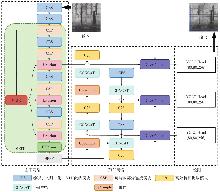
Fig. 1
GLEF-YOLO model framework"
Fig. 2
MEIE module"
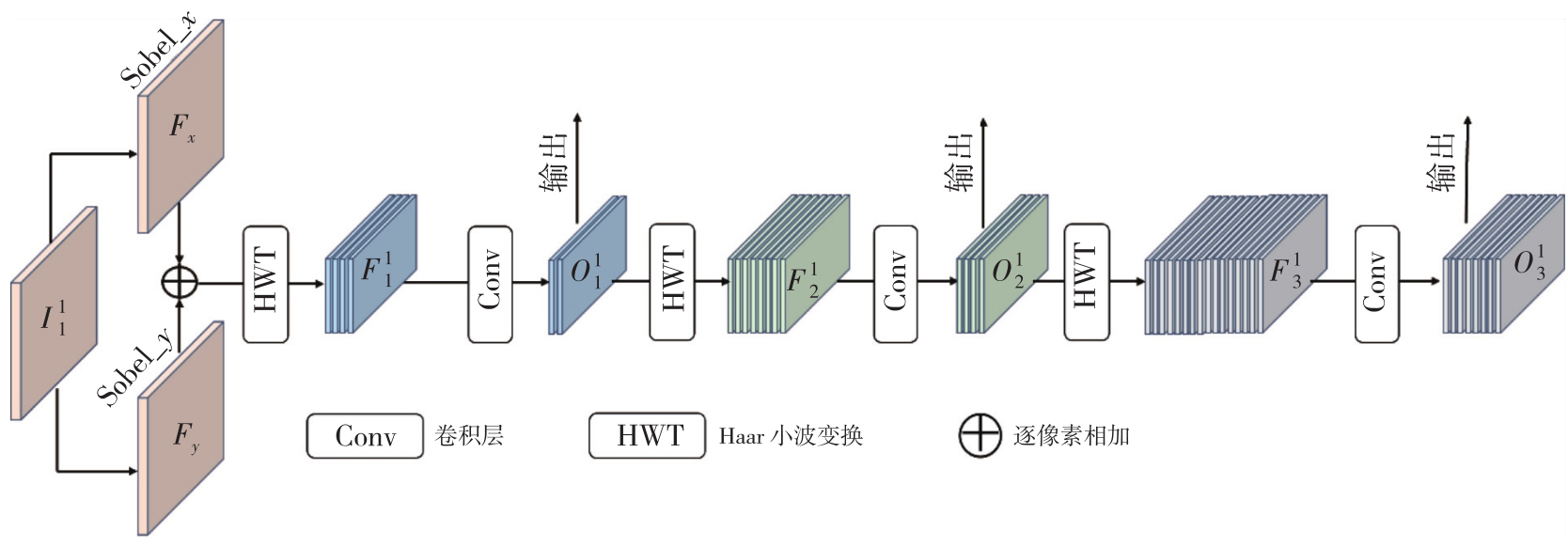
Fig. 3
EFusion module"
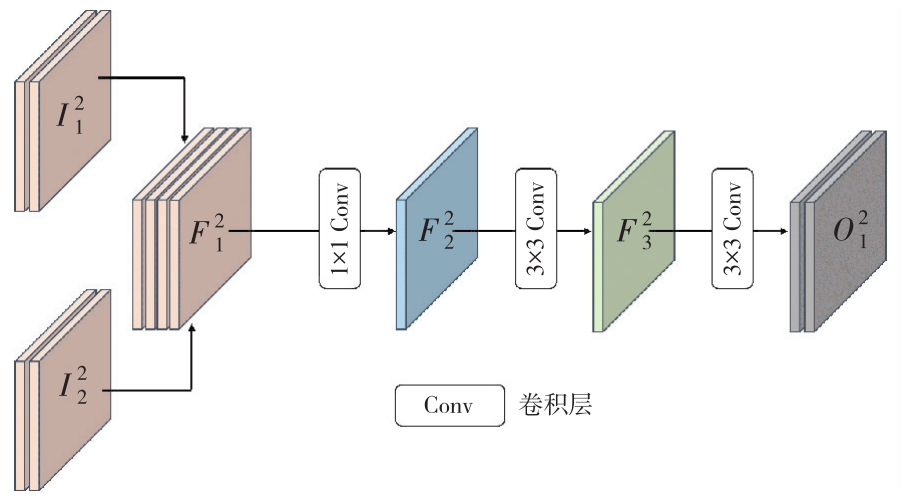
Fig. 4
EFPConv module"
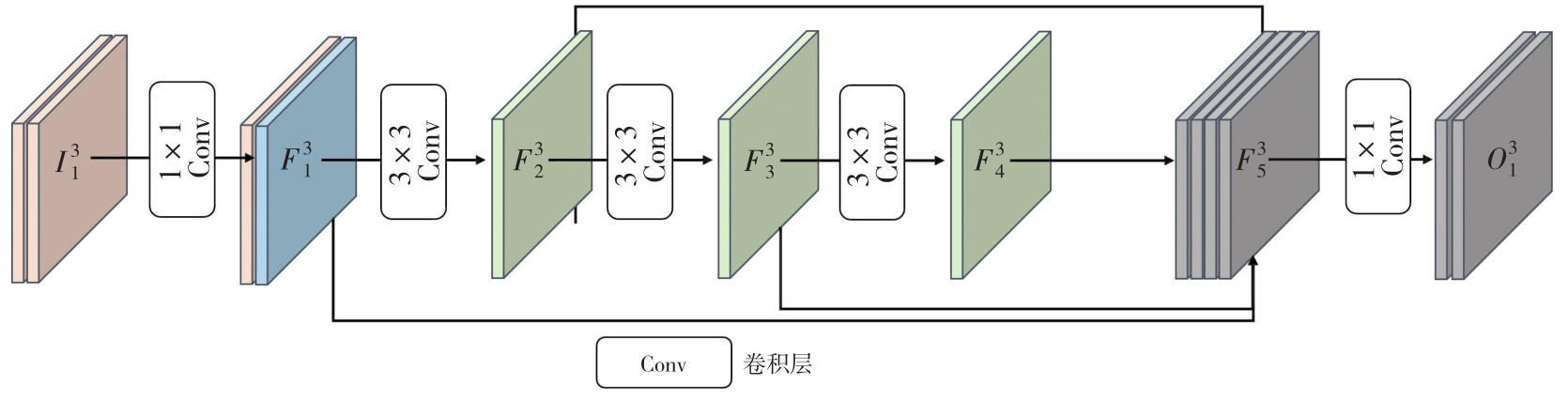
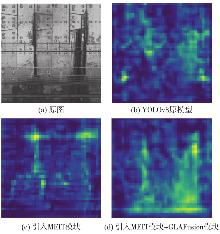
Fig. 5
Feature comparison"
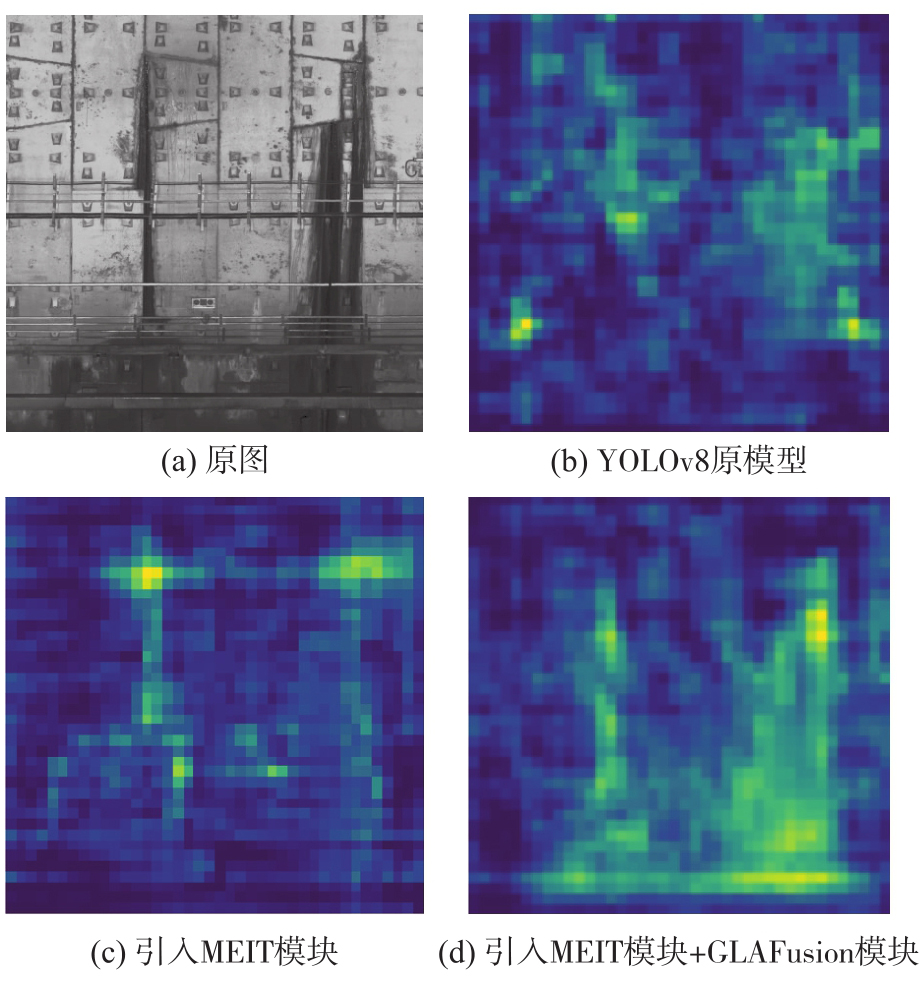
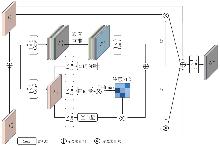
Fig. 6
GLAFusion module"
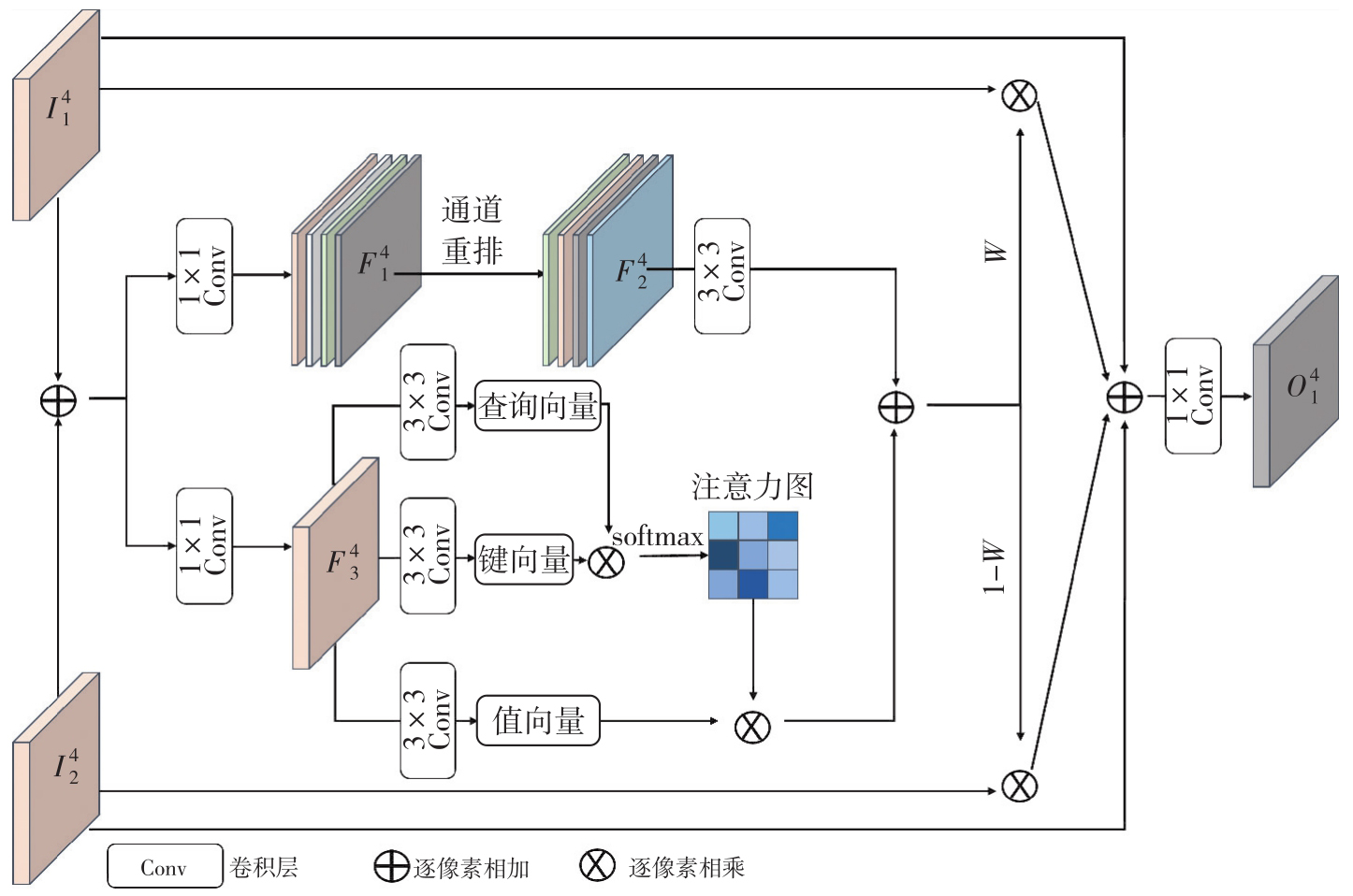
Fig. 7
Mobile LiDAR scanning system"
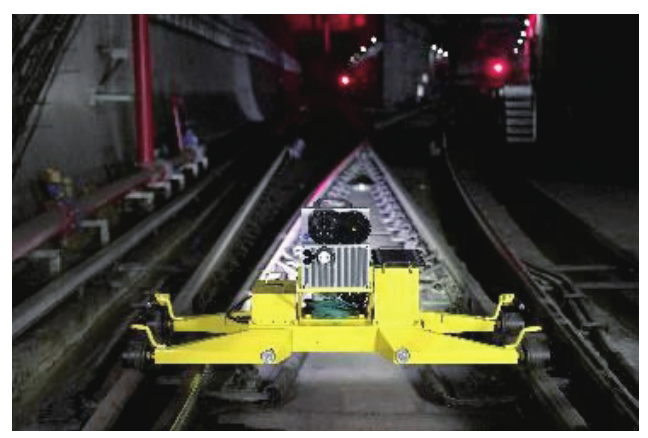
Fig. 8
Image processing workflow"
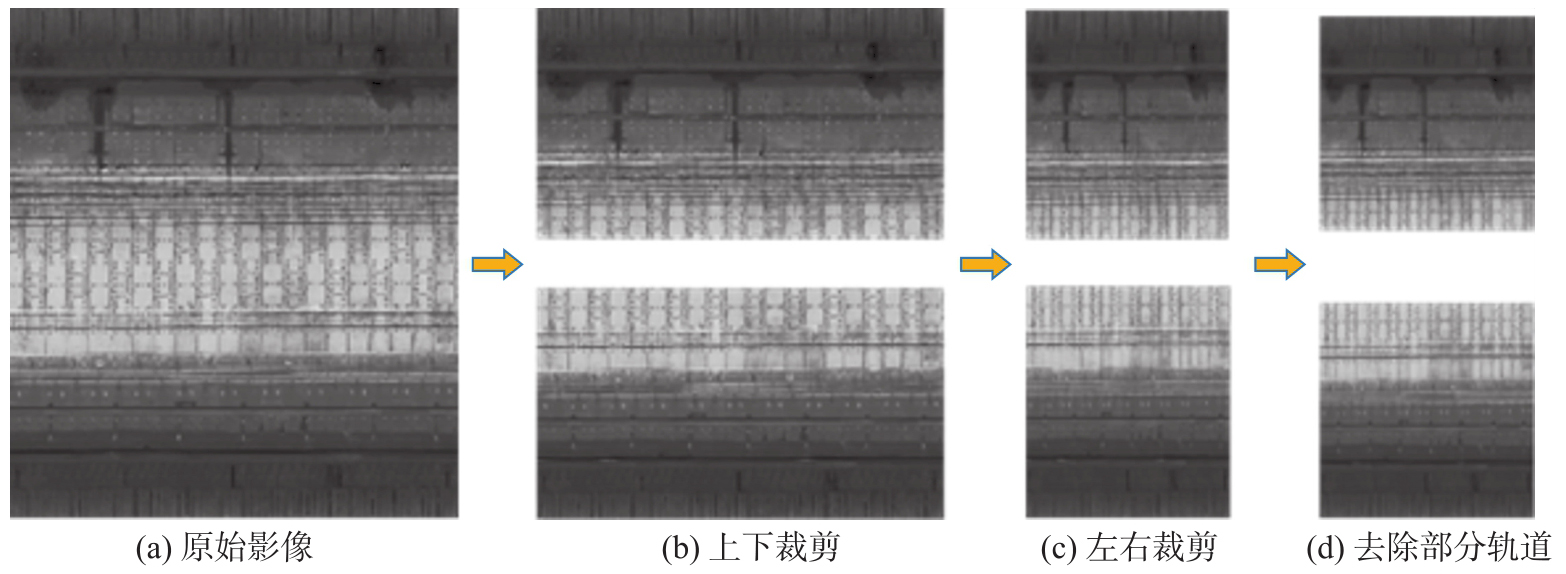
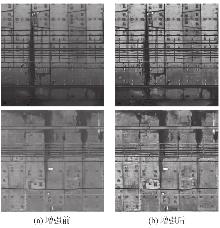
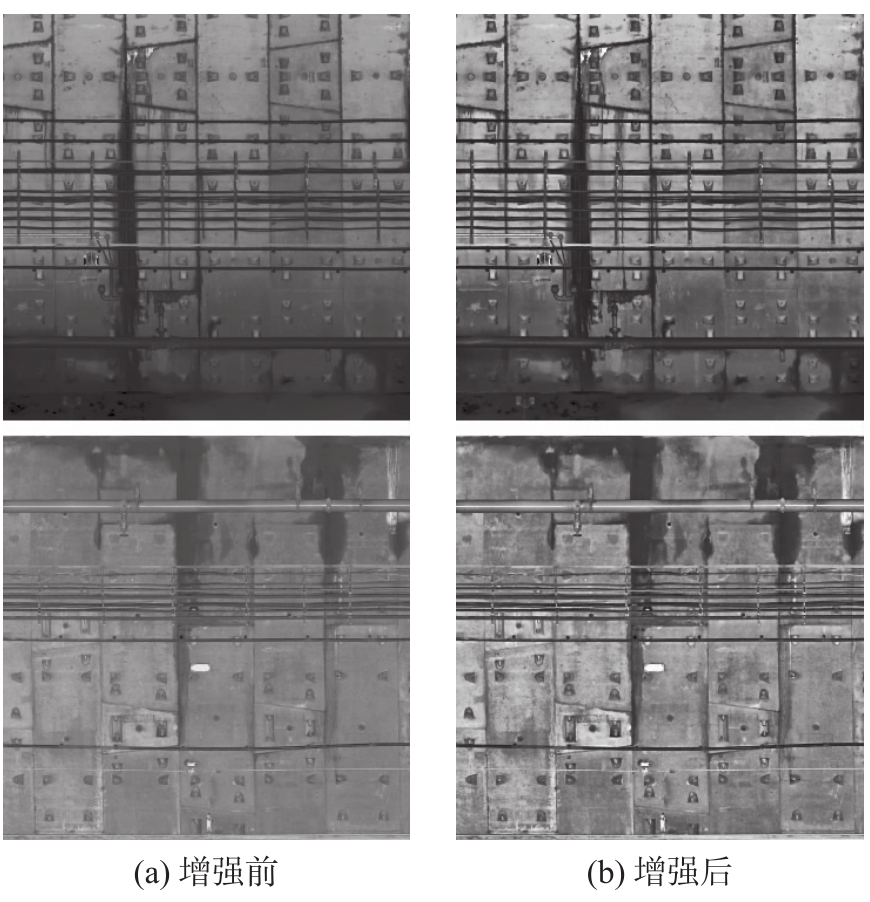
Fig. 9
Enhanced effects"
Tab. 1
Comparison of detection results before and after image enhancement"
| 输入数据 | mAP | 精确率 | 召回率 |
|---|---|---|---|
| YOLOv8(原始图像) | 71.9 | 70.2 | 68.2 |
| YOLOv8(增强图片) | 73.6 | 71.9 | 71.2 |
Tab. 2
Tunnel experiment results using shield tunneling method"
| 方法 | mAP | 精确率 | 召回率 |
|---|---|---|---|
| YOLOv11 | 77.9 | 72.3 | 75.8 |
| YOLOv12 | 77.9 | 74.8 | 75.4 |
| RT-DETR | 77.5 | 72.0 | 72.3 |
| FBRT-YOLO | 74.5 | 72.5 | 70.6 |
| Hyper-YOLO | 78.3 | 73.6 | 74.3 |
| GLEF-YOLO | 82.0 | 77.0 | 79.5 |
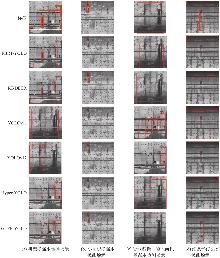
Fig. 10
Results of the comparative experiment"
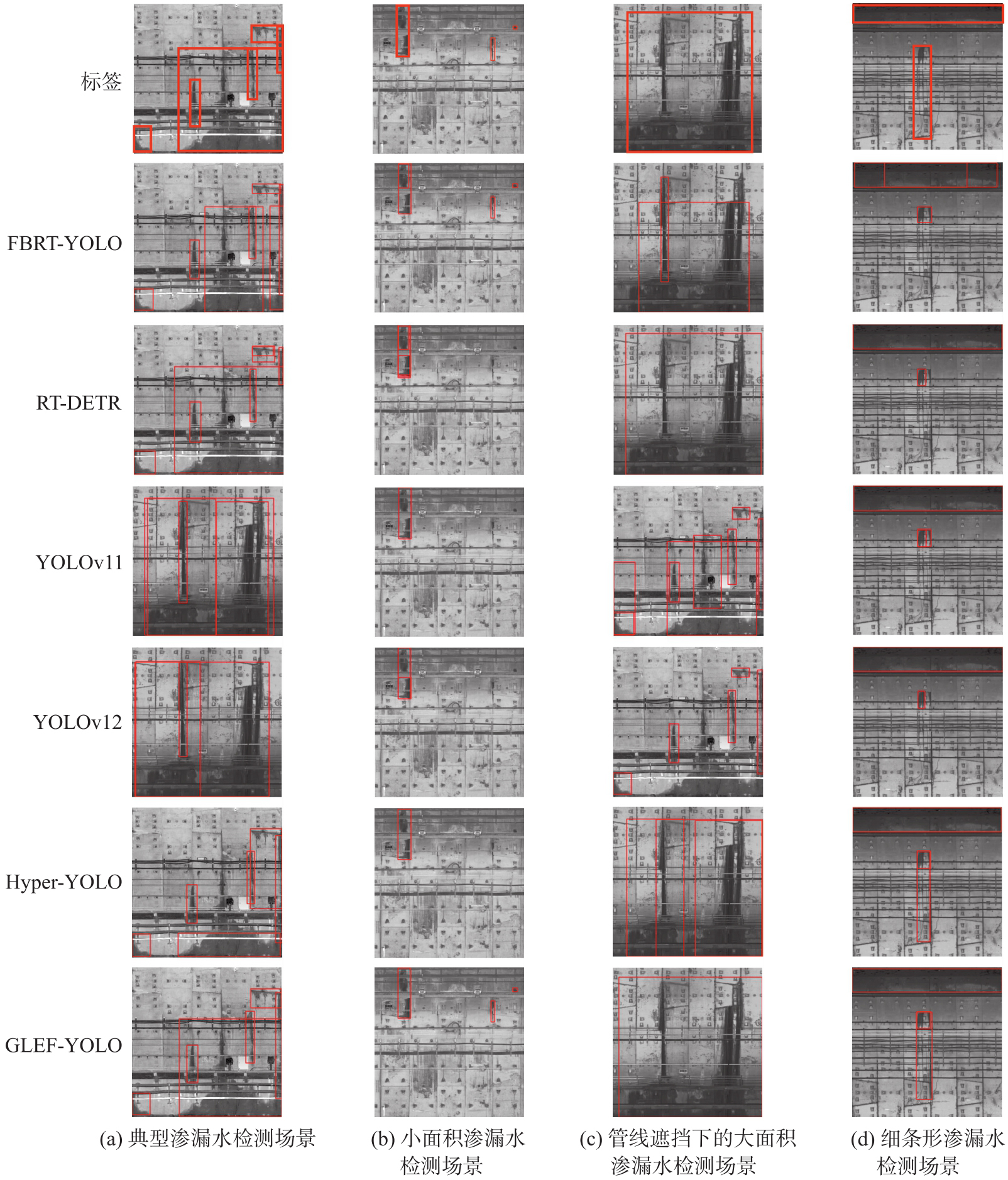
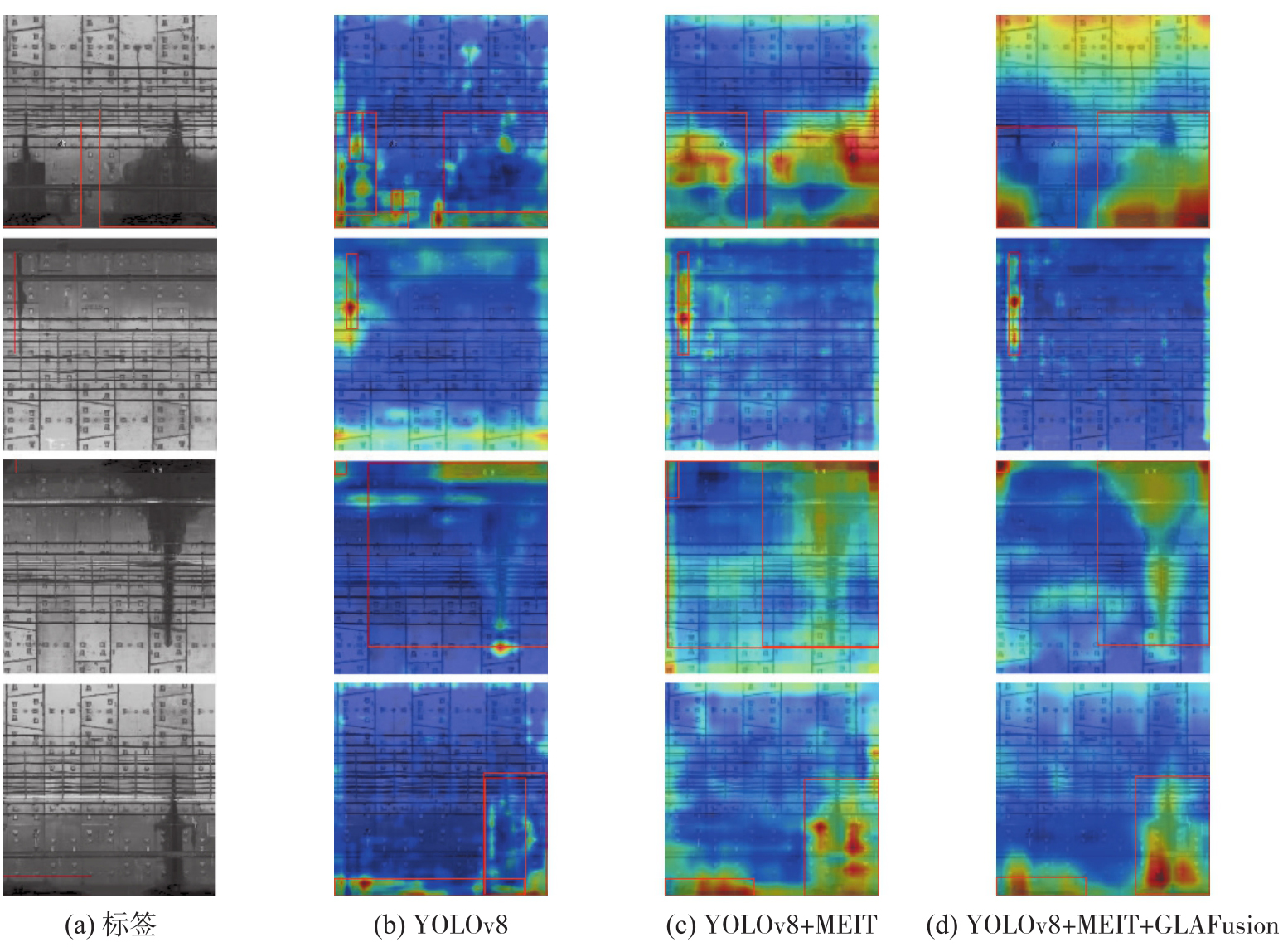
Fig. 11
Heatmaps comparison"
Tab. 3
Ablation experiment"
| 模型结构 | mAP | 精确率 | 召回率 |
|---|---|---|---|
| YOLOv8 | 73.6 | 71.9 | 71.2 |
| YOLOv8+MEIT | 80.0 | 76.8 | 75.3 |
| YOLOv8+MEIT+GLAFusion | 82.0 | 77.0 | 79.5 |
| [1] | 赵勇, 田四明, 巩江峰, 等. 截至2025年底中国铁路隧道情况统计分析及中国铁路隧道“十四五”建设成就[J]. 隧道建设(中英文), 2026, 46(4): 877-892. |
| ZHAO Yong, TIAN Siming, GONG Jiangfeng, et al. Statistical analysis of railway tunnels in China by the end of 2025 and achievements in the 14th Five-Year Plan period[J]. Tunnel Construction, 2026, 46(4): 877-892. | |
| [2] | KO B, SON Y K, SHIN D, et al. Development of an inspection system for cracks on the lining of concrete tunnels[C]//Proceedings of the 20th ISARC. Eindhoven: [s.n.], 2003: 457-463. |
| [3] | 王如路. 上海轨道交通隧道结构安全性分析[J]. 地下工程与隧道, 2011(4): 37-43. |
| WANG Rulu. Structural safety analysis of Shanghai rail transit tunnel[J]. Underground Engineering and Tunnels, 2011(4): 37-43. | |
| [4] | 何国华, 刘新根, 陈莹莹, 等. 基于数字图像的隧道表观病害识别方法研究[J]. 重庆交通大学学报(自然科学版), 2019, 38(3): 21-26. |
| HE Guohua, LIU Xingen, CHEN Yingying, et al. Apparent tunnel diseases identification based on digital images[J]. Journal of Chongqing Jiaotong University (Natural Science), 2019, 38(3): 21-26. | |
| [5] | HUANG Zhen, FU Helin, ZHANG Jiabing, et al. Structural damage evaluation method for metro shield tunnel[J]. Journal of Performance of Constructed Facilities, 2019, 33(1): 04018097. |
| [6] | HU Chuanpeng, ZHU Hehua, LI Xiaojun. Detection of tunnel water leakage based on image processing[C]//Proceedings of the 1st International Conference on Information Technology in Geo-Engineering. Shanghai: [s.n.], 2010: 254-262. |
| [7] |
CHA Y J, CHOI W, BÜYÜKÖZTÜRK O. Deep learning-based crack damage detection using convolutional neural networks[J]. Computer-Aided Civil and Infrastructure Engineering, 2017, 32(5): 361-378. DOI: .
doi: 10.1111/mice.12263 |
| [8] | 薛亚东, 高健, 李宜城, 等. 基于深度学习的地铁隧道衬砌病害检测模型优化[J]. 湖南大学学报(自然科学版), 2020, 47(7): 137-146. |
| XUE Yadong, GAO Jian, LI Yicheng, et al. Optimization of shield tunnel lining defect detection model based on deep learning[J]. Journal of Hunan University (Natural Sciences), 2020, 47(7): 137-146. | |
| [9] | REN Shaoqing, HE Kaiming, GIRSHICK R, et al. Faster R-CNN: towards real-time object detection with region proposal networks[J]. IEEE Transactions on Pattern Analysis and Machine Intelligence, 2017, 39(6): 1137-1149. |
| [10] | MAKANTASIS K, PROTOPAPADAKIS E, DOULAMIS A, et al. Deep convolutional neural networks for efficient vision based tunnel inspection[C]//Proceedings of 2015 IEEE International Conference on Intelligent Computer Communication and Processing. Cluj-Napoca: IEEE, 2015: 335-342. |
| [11] | MAN Ke, LIU Ruilin, LIU Xiaoli, et al. Water leakage and crack identification in tunnels based on transfer-learning and convolutional neural networks[J]. Water, 2022, 14(9): 1462. |
| [12] | ZHAO Shuai, ZHANG Dongming, HUANG Hongwei. Deep learning-based image instance segmentation for moisture marks of shield tunnel lining[J]. Tunnelling and Underground Space Technology, 2020, 95: 103156. |
| [13] | HE Kaiming, GKIOXARI G, DOLLAR P, et al. Mask R-CNN[C]//Proceedings of 2017 IEEE International Conference on Computer Vision. Venice: IEEE, 2017: 2980-2988. |
| [14] | 薛亚东, 贾非, 郭春生, 等. 基于深度学习的盾构隧道渗漏水病害混合样本集构建与精细分割[J]. 应用基础与工程科学学报, 2023, 31(4): 1032-1042. |
| XUE Yadong, JIA Fei, GUO Chunsheng, et al. Deep learning-based shield tunnel leakage mixed dataset construction and fine segmentation[J]. Journal of Basic Science and Engineering, 2023, 31(4): 1032-1042. | |
| [15] | GENG Peng, JIA Mengye, REN Xiaoxia. Tunnel lining water leakage image segmentation based on improved BlendMask[J]. Structural Health Monitoring, 2023, 22(2): 865-878. |
| [16] | GENG Peng, TAN Ziye, LUO Jun, et al. ACPA-Net: atrous channel pyramid attention network for segmentation of leakage in rail tunnel linings[J]. Electronics, 2023, 12(2): 255. |
| [17] | LIU Shichang, XU Xu, JEON G, et al. Deep learning based water leakage detection for shield tunnel lining[J]. Frontiers of Structural and Civil Engineering, 2024, 18(6): 887-898. |
| [18] | HAN Lei, CHEN Jiangfan, LI Haobo, et al. Multispectral water leakage detection based on a one-stage anchor-free modality fusion network for metro tunnels[J]. Automation in Construction, 2022, 140: 104345. |
| [19] | GUO Junyi, FANG Jinhui, SHI Bin, et al. High-sensitivity water leakage detection and localization in tunnels using novel ultra-weak fiber Bragg grating sensing technology[J]. Tunnelling and Underground Space Technology, 2024, 144: 105574. |
| [20] | YANG Z, LEE W C, CHAN H N, et al. A real-time tunnel surface inspection system using Edge-AI on drone[C]//Proceedings of 2022 IEEE International Conference on Mechatronics and Automation. Guilin: IEEE, 2022: 749-754. |
| [21] | JIANG Jundi, SHEN Yueqian, WANG Jinhu, et al. GEPT-Net: an efficient geometry enhanced point transformer for shield tunnel leakage segmentation[J]. ISPRS Journal of Photogrammetry and Remote Sensing, 2025, 221: 20-43. |
| [22] | ZHOU Zhong, ZHANG Junjie, GONG Chenjjie. Automatic detection method of tunnel lining multi-defects via an enhanced you only look once network[J]. Computer-Aided Civil and Infrastructure Engineering, 2022, 37(6): 762-780. |
| [23] | CHEN Junxin, XU Xu, JEON G, et al. WLR-Net: an improved YOLO-v7 with edge constraints and attention mechanism for water leakage recognition in the tunnel[J]. IEEE Transactions on Emerging Topics in Computational Intelligence, 2024, 8(4): 3105-3116. |
| [24] | 高贤君, 刘振宇, 许磊, 等. 基于CutMix数据增强与多约束损失函数的YOLOv7盾构隧道渗漏水检测[J]. 测绘通报, 2024(7): 105-110. |
| GAO Xianjun, LIU Zhenyu, XU Lei, et al. YOLOv7 shield tunnel water leakage detection based on CutMix data augmentation and multi-constraint loss function[J]. Bulletin of Surveying and Mapping, 2024(7): 105-110. | |
| [25] |
纪长琦, 郭肇捷, 孙海丽, 等. 基于移动激光扫描的地铁隧道渗漏水定位及快速检测方法[J]. 测绘学报, 2024, 53(6): 1236-1250. DOI: .
doi: 10.11947/j.AGCS.2024.20230438 |
|
JI Changqi, GUO Zhaojie, SUN Haili, ZHONG Ruofei. Location and rapid detection method of water leakage in subway tunnels based on mobile laser scanning[J]. Acta Geodaetica et Cartographica Sinica, 2024, 53(6): 1236-1250. DOI: .
doi: 10.11947/j.AGCS.2024.20230438 |
|
| [26] | 张振海, 孙岩, 李哲远. 基于MDS-YOLO的轻量级隧道表观病害检测算法[J]. 交通运输工程学报, 25(6): 271-283. |
| ZHANG Zhenhai, SUN Yan, LI Zheyuan. Lightweight tunnel surface defect detection algorithm based on MDS-YOLO[J]. Journal of Traffic and Transportation Engineering, 2025, 25(6): 271-283. | |
| [27] | PERONA P, MALIK J. Scale-space and edge detection using anisotropic diffusion[J]. IEEE Transactions on Pattern Analysis and Machine Intelligence, 1990, 12(7): 629-639. |
| [28] | PIZER S M, AMBURN E P, AUSTIN J D, et al. Adaptive histogram equalization and its variations[J]. Computer Vision, Graphics, and Image Processing, 1987, 39(3): 355-368. |
| [29] | YASEEN M. What is YOLOv8: an in-depth exploration of the internal features of the next-generation object detector[EB/OL]. [2025-12-11]. https://arxiv.org/abs/2408.15857. |
| [30] | XIAO Yao, XU Tingfa, XIN Yu, et al. FBRT-YOLO: faster and better for real-time aerial image detection[EB/OL]. [2025-12-11]. https://arxiv.org/pdf/2504.20670. |
| [31] | ZHAO Yian, LÜ Wenyu, XU Shangliang, et al. DETRs beat YOLOs on real-time object detection[C]//Proceedings of 2024 IEEE/CVF Conference on Computer Vision and Pattern Recognition. Seattle: IEEE, 2024: 16965-16974. |
| [32] | KHANAM R, HUSSAIN M. YOLOv11: an overview of the key architectural enhancements[EB/OL]. [2025-12-11]. https://arxiv.org/abs/2410.17725. |
| [33] | TIAN Yunjie, YE Qixiang, DOERMANN D. YOLOv12: attention-centric real-time object detectors[EB/OL]. [2025-12-11]. https://arxiv.org/abs/2502.12524. |
| [34] | FENG Y, HUANG J, DU S, et al. Hyper-YOLO: when visual object detection meets hypergraph computation[J]. IEEE transactions on pattern analysis and machine intelligence, 2024, 47(4): 2388-2401. |
| [1] | Xiaohu LIN, Xin YANG, Wanqiang YAO, Hongwei MA, Bolin MA, Xiongwei MA. A dynamic weighted fusion SLAM method using multi-source sensor data in complex underground spaces [J]. Acta Geodaetica et Cartographica Sinica, 2025, 54(3): 523-535. |
| [2] | Qingzhou MAO, Mengxuan XIA, Qingquan LI, Jing ZHU, Tingli FAN. Global registration method for multi-station point clouds based on the bundle adjustment method [J]. Acta Geodaetica et Cartographica Sinica, 2024, 53(9): 1663-1670. |
| [3] | Qihao HUANG, Guowang JIN, Xin XIONG, Limei WANG, Jiahao LI. Lightweight SAR target detection based on channel pruning and know-ledge distillation [J]. Acta Geodaetica et Cartographica Sinica, 2024, 53(4): 712-723. |
| [4] | FENG Ruyi, WANG Lizhe, ZENG Tieyong. Review of hyperspectral remote sensing image subpixel information extraction [J]. Acta Geodaetica et Cartographica Sinica, 2023, 52(7): 1187-1201. |
| [5] | LI Jingwen, WEI Jingshan, JIANG Jianwu, LU Yanling, LIU Lei, TANG Yifei, LI Xu. Spatio-temporal information extraction method for dynamic targets in multi-perspective surveillance video [J]. Acta Geodaetica et Cartographica Sinica, 2022, 51(3): 388-400. |
| [6] | HE Zhenyu, CHEN Wu, YANG Yang. GPS-based space-surface passive bistatic radar technique for maritime moving target detection [J]. Acta Geodaetica et Cartographica Sinica, 2020, 49(12): 1523-1534. |
| [7] | XU Wenxue, TIAN Ziwen, ZHOU Zhimin, ZANG Yufu, GUO Kai, LIU Yanxiong. Calibration of Mounted Parameter for Ship-borne 3D Laser Scanning System [J]. Acta Geodaetica et Cartographica Sinica, 2018, 47(2): 208-214. |
| [8] | TAO Feixiang, WU Yiquan. Remote Sensing Image Enhancement Based on Non-subsampled Shearlet Transform and Parameterized Logarithmic Image Processing Model [J]. Acta Geodaetica et Cartographica Sinica, 2015, 44(8): 884-892. |
| Viewed | ||||||
|
Full text |
|
|||||
|
Abstract |
|
|||||
