

Acta Geodaetica et Cartographica Sinica ›› 2026, Vol. 55 ›› Issue (1): 124-137.doi: 10.11947/j.AGCS.2026.20250262
• Cartography and Geoinformation • Previous Articles Next Articles
Pengcheng LIU1,2( ), Xiaoqiang CHENG3, Tianyuan XIAO4, Min YANG4, Tinghua AI4
Received:2025-06-30
Revised:2026-01-05
Online:2026-02-13
Published:2026-02-13
About author:LIU Pengcheng (1968—), male, PhD, professor, majors in map generalization, spatial pattern recognition and GeoAI. E-mail: liupc@ccnu.edu.cn
Supported by:CLC Number:
Pengcheng LIU, Xiaoqiang CHENG, Tianyuan XIAO, Min YANG, Tinghua AI. A Transformer model for building polygon simplification in map generalization[J]. Acta Geodaetica et Cartographica Sinica, 2026, 55(1): 124-137.
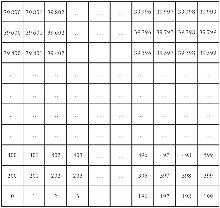
Fig. 1
Grid-to-Token correspondence"
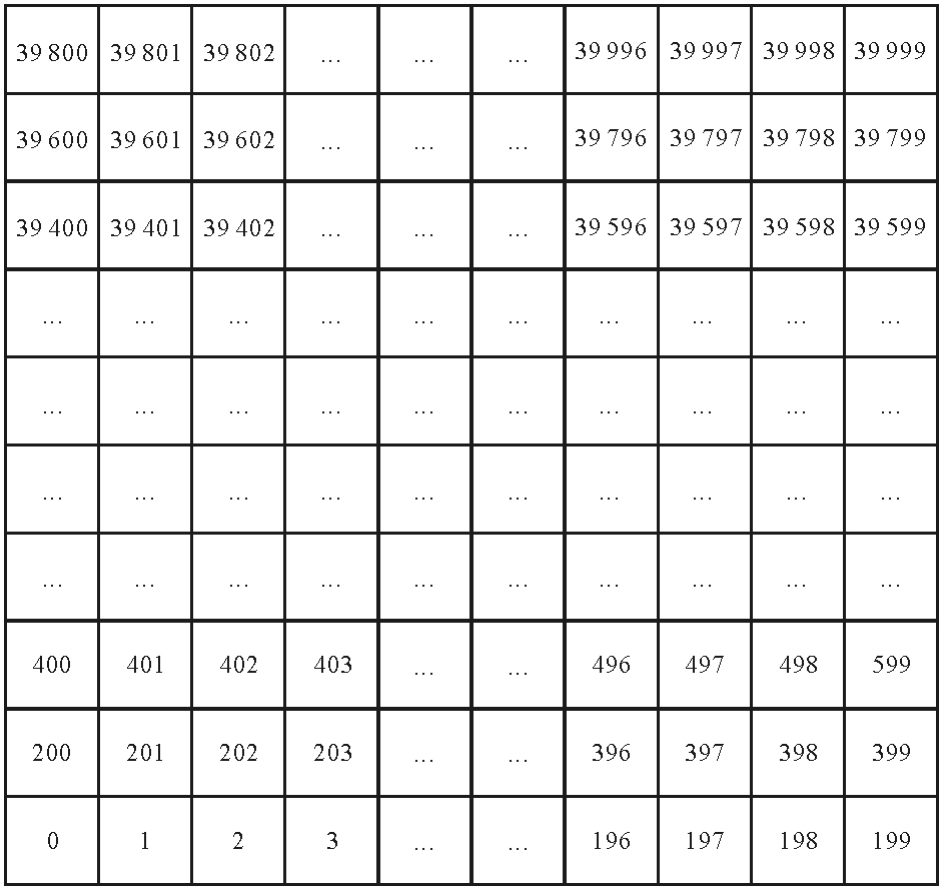
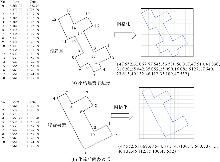
Fig. 2
The original feature and generalized feature of the building polygon Tokenization process"
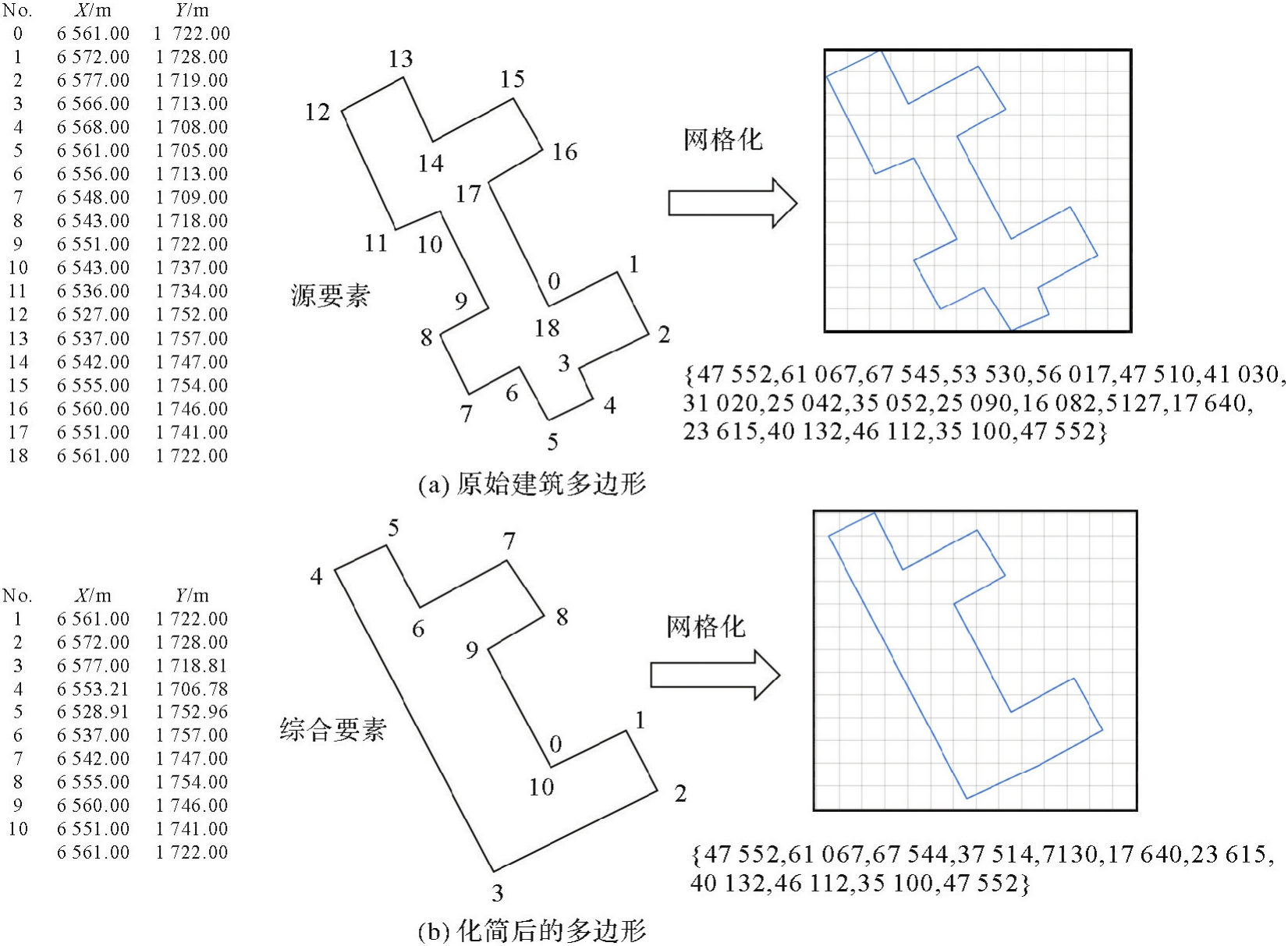
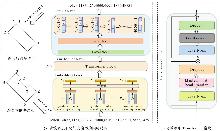
Fig. 3
Overall structure of simplified model"

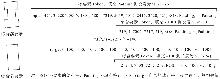
Fig. 4
Composition of the input and target tensors of the sample data"
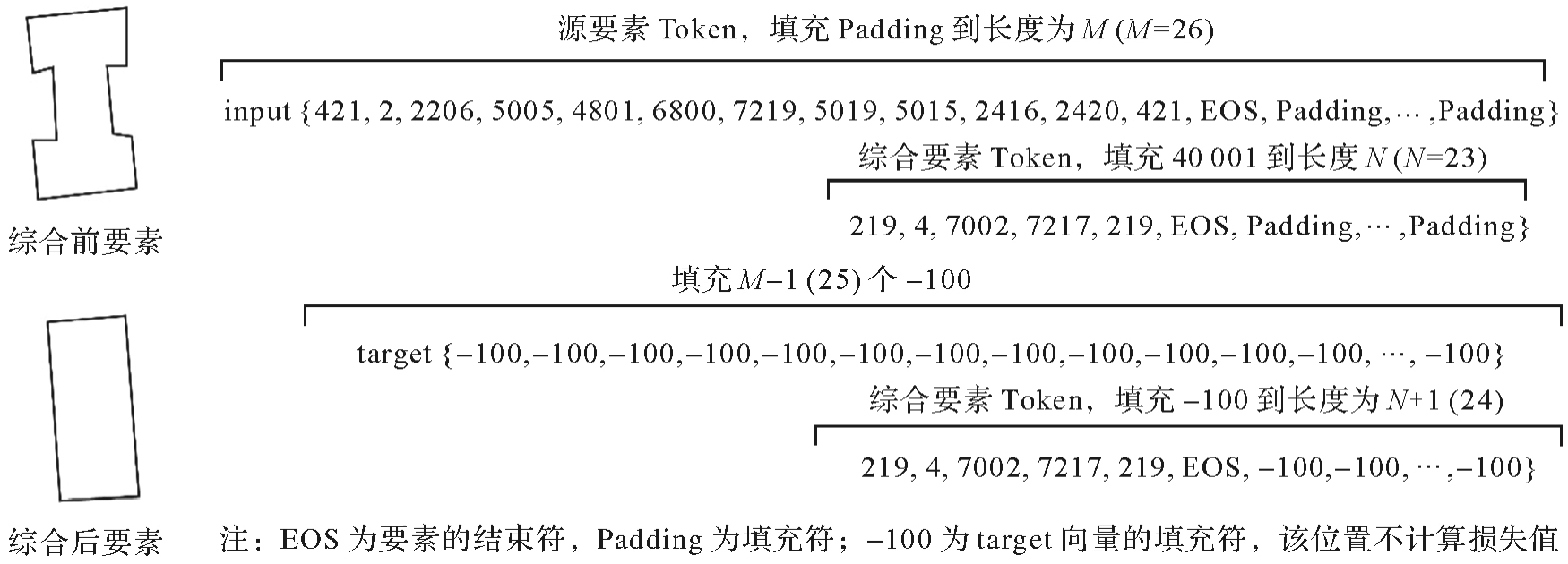
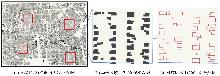
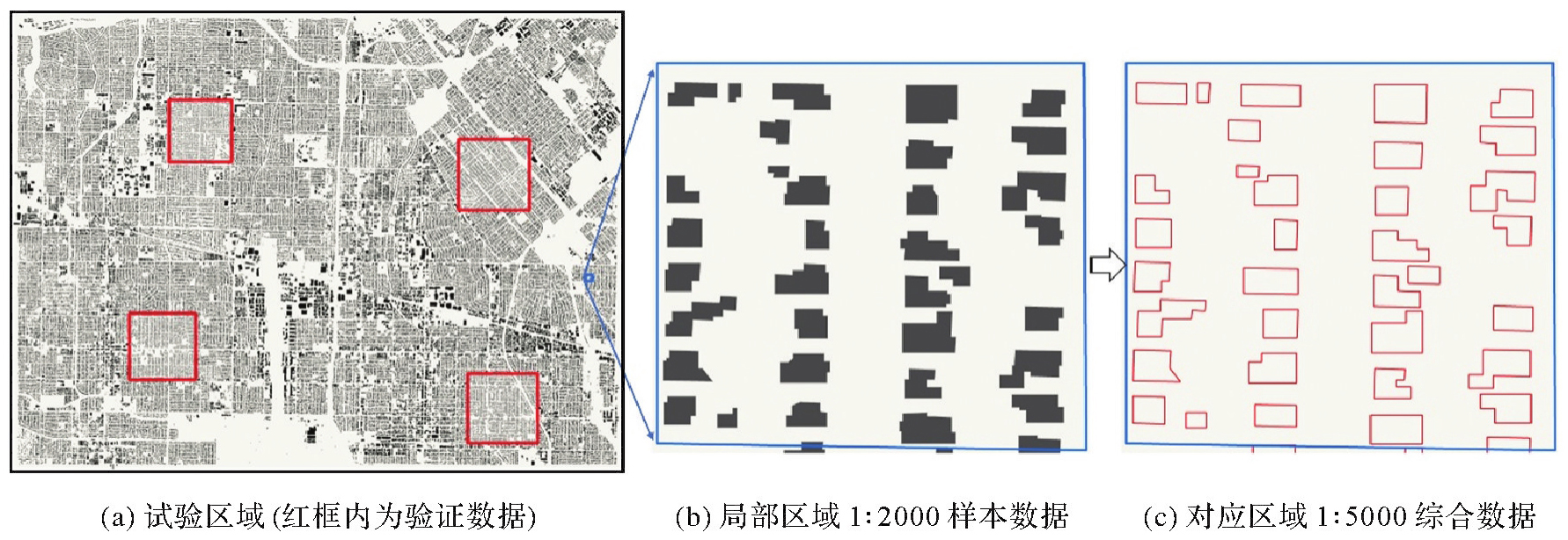
Fig. 5
The study area and selected sample data"
Tab. 1
Relationship between grid size and position offset, Token size, and model size"
| 参数 | 网格尺寸 | ||
|---|---|---|---|
| 0.2 mm | 0.3 mm | 0.5 mm | |
| 点位平均偏移/m | 0.26 | 0.39 | 0.49 |
| 词汇表尺寸 | 250 002 | 110 891 | 40 002 |
| 模型参数量 | 2.9×10⁸ | 1.5×10⁸ | 8×10⁷ |
Tab. 2
Comparison of the source building polygons, manually simplified polygons, and model-generated polygons"
| 参数 | 目标比例尺 | 网格尺寸 | 目标比例尺 | 网格尺寸 | ||||
|---|---|---|---|---|---|---|---|---|
| 0.2 mm | 0.3 mm | 0.5 mm | 0.2 mm | 0.3 mm | 0.5 mm | |||
| 训练时间/min | 2650 | 2130 | 1980 | 2730 | 2440 | 1802 | ||
| 训练损失值 | 0.43 | 0.035 | 0.039 | 0.54 | 0.13 | 0.13 | ||
| 验证损失值 | 1∶5000 | 0.45 | 0.038 | 0.043 | 1∶10 000 | 0.54 | 0.14 | 0.14 |
| 一致率/(%) | 32.0 | 92.3 | 90.6 | 34.3 | 94.3 | 92.1 | ||
| 面积增量/(%) | -0.14 | 0.14 | 0.23 | -0.20 | 0.21 | 0.32 | ||
| 直角率/(%) | 93.3 | 96.7 | 97.0 | 89.8 | 97.2 | 97.8 | ||
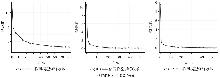
Fig. 6
Convergence of the training and validation accuracy for the building polygon simplification model"
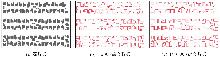
Fig. 7
Partial map of the validation area after model simplification"
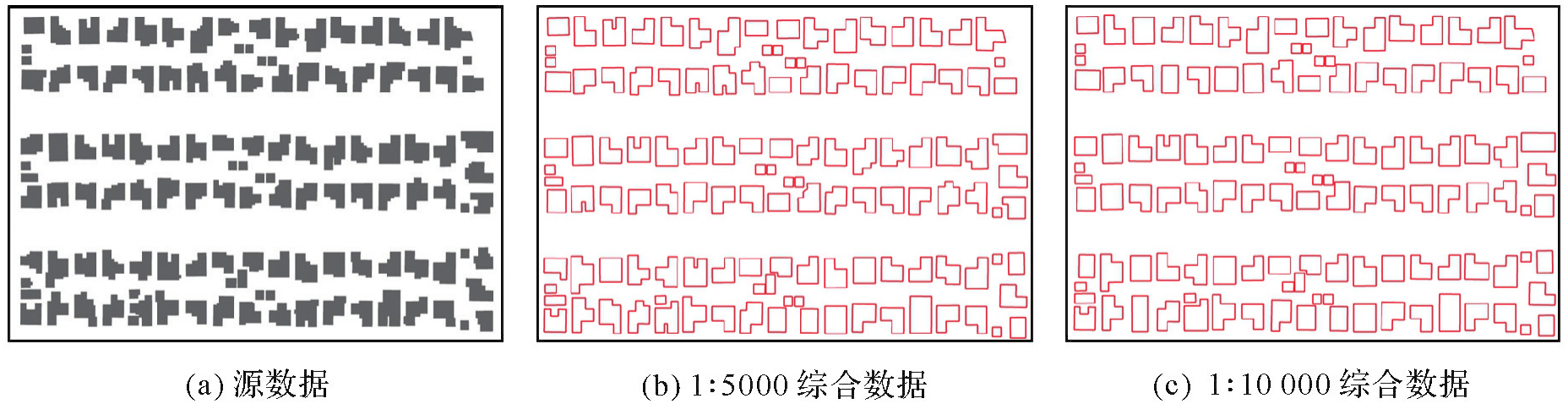
Tab. 3
Comparison diagram of the source building polygons, manually simplified polygons and model-generated polygons"
| 序号 | 原始要素 | 人工综合 | 模型综合 | 一致性评价 | 序号 | 原始要素 | 人工综合 | 模型综合 | 一致性评价 |
|---|---|---|---|---|---|---|---|---|---|
| 1 |  | 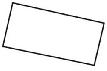 | 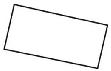 | Y Y | 11 |  |  |  | N Y |
| 2 |  |  |  | Y Y | 12 |  |  |  | N Y |
| 3 |  |  |  | Y Y | 13 |  |  |  | N Y |
| 4 |  |  |  | Y Y | 14 | 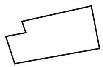 | 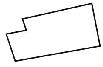 | 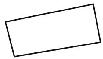 | N Y |
| 5 |  |  |  | Y Y | 15 |  |  |  | N Y |
| 6 |  |  |  | Y Y | 16 |  |  |  | N N |
| 7 |  |  |  | Y Y | 17 |  |  |  | N N |
| 8 |  |  |  | Y Y | 18 |  |  |  | N N |
| 9 |  | 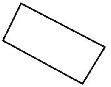 | 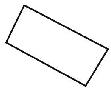 | Y Y | 19 | 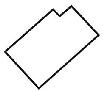 | 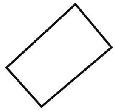 | 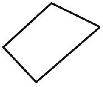 | N N |
| 10 |  |  |  | Y Y | 20 |  |  |  | N N |
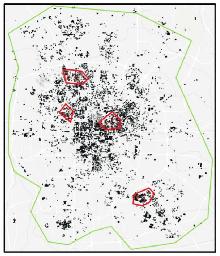
Fig. 8
Beijing study area"
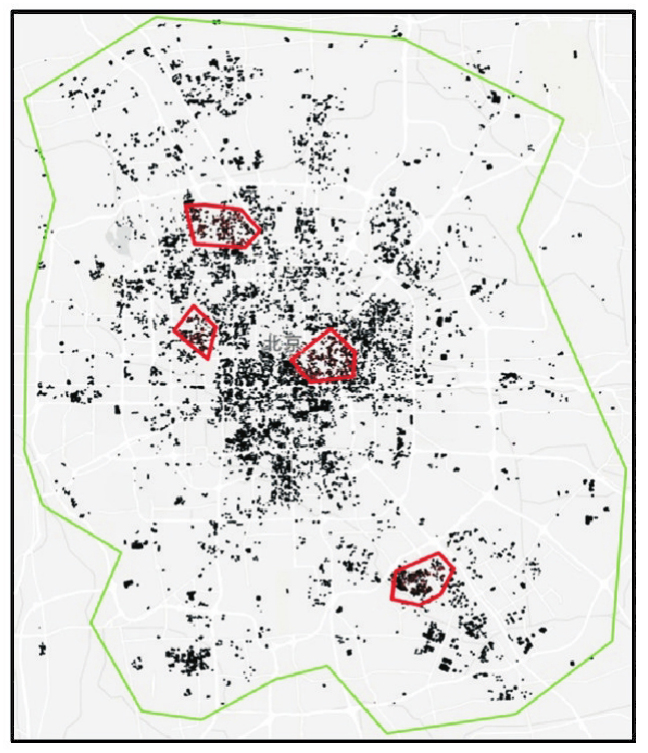
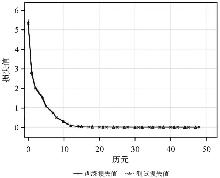
Fig. 9
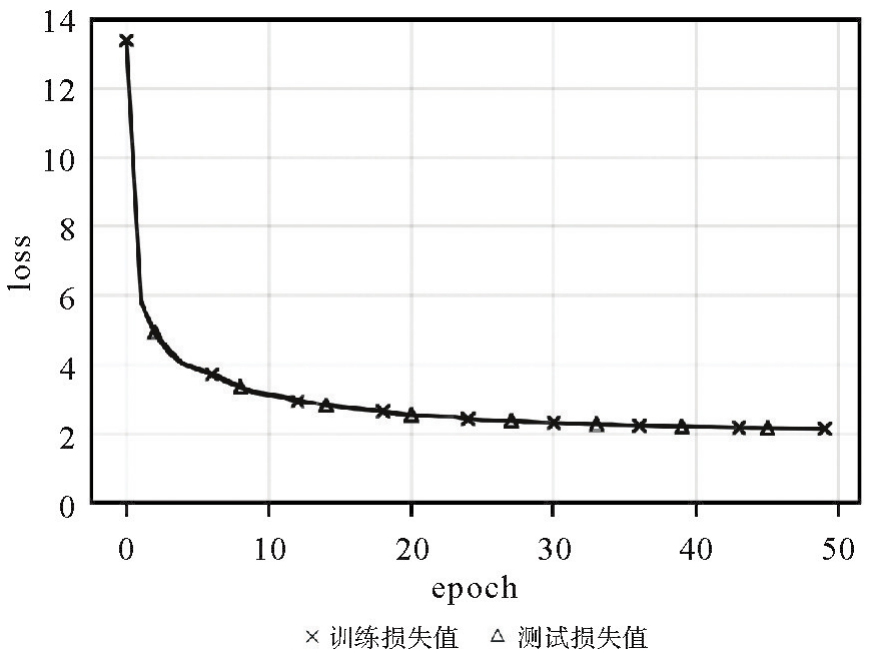
The convergence during fine-tuning of the model"

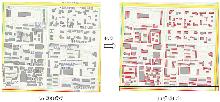
Fig. 10
Effect of polygon simplification in the Beijing experimental area"
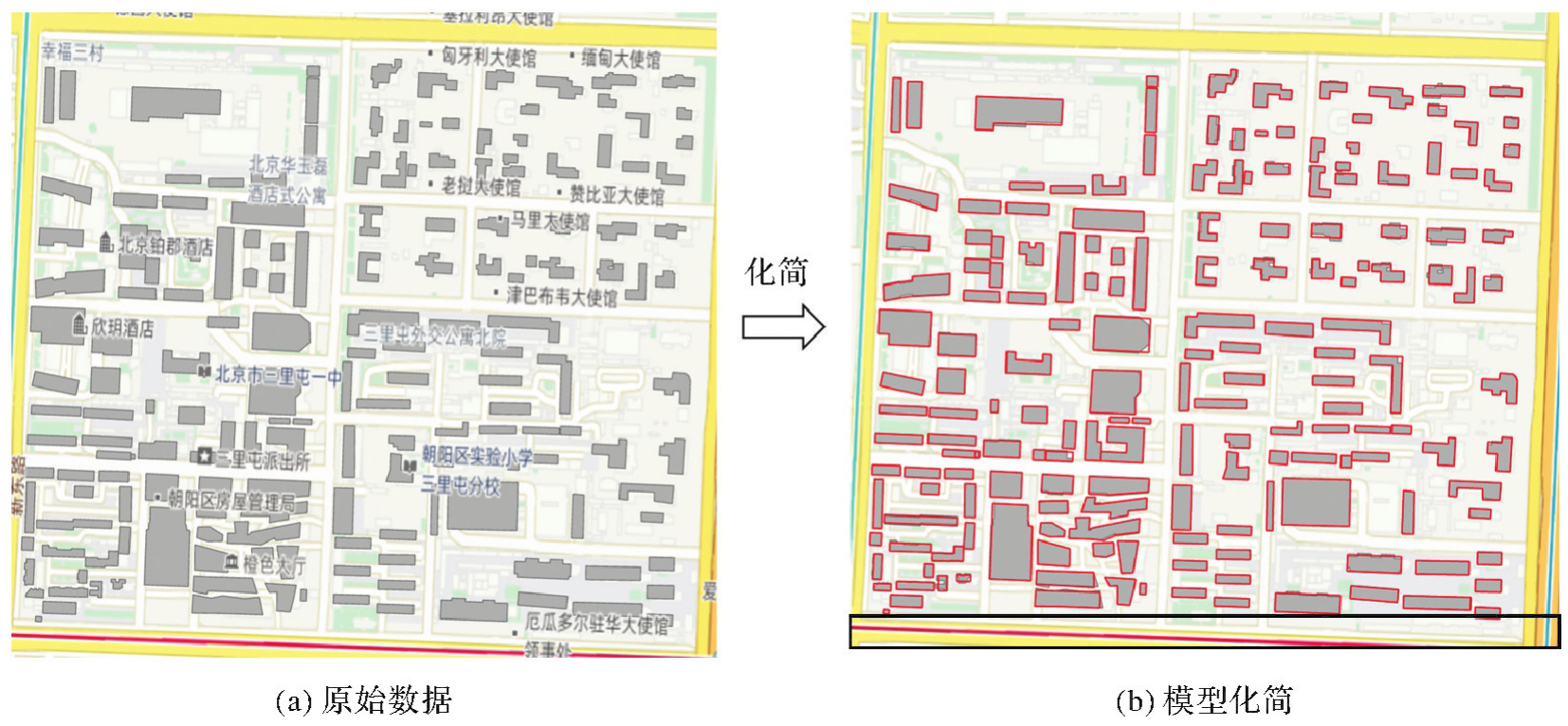

Fig. 11
The structure of LSTM model"


Fig. 12
The LSTM model convergence"
Tab. 4
Comparison of building polygon area differences before and after generalization"
| 序号 | 化简对比图 | 面积差百分比/(%) | 序号 | 化简对比图 | 面积差百分比/(%) |
|---|---|---|---|---|---|
| 1 |  | -1.2 | 6 |  | 1.0 |
| 2 |  | 2.6 | 7 |  | -3.0 |
| 3 |  | -1.4 | 8 |  | 3.4 |
| 4 |  | 0.5 | 9 |  | 0.8 |
| 5 |  | 2.8 | 10 |  | 1.7 |
| [1] | 王家耀, 孙群, 王光霞, 等. 地图学原理与方法[M]. 2版. 北京: 科学出版社, 2014. |
| WANG Jiayao, SUN Qun, WANG Guangxia, et al. Principle and method of cartography[M]. 2nd ed. Beijing: Science Press, 2014. | |
| [2] | WANG Zeshen, LEE D. Building simplification based on pattern recognition and shape analysis[C]//Proceedings of the 9th International Symposium on Spatial Data Handling. Beijing: [s.n.], 2000: 58-72. |
| [3] |
尹烁, 闫小明, 晏雄锋. 基于特征边重构的建筑物化简方法[J]. 测绘学报, 2020, 49(6): 703-710. DOI: .
doi: 10.11947/j.AGCS.2020.20190299 |
|
YIN Shuo, YAN Xiaoming, YAN Xiongfeng. Simplification method of building polygon based on feature edges reconstruction[J]. Acta Geodaetica et Cartographica Sinica, 2020, 49(6): 703-710. DOI: .
doi: 10.11947/j.AGCS.2020.20190299 |
|
| [4] | SESTER M. Generalization based on least squares adjustment[C]//Proceedings of 2000 International Archives of Photogrammetry and Remote Sensing. Amsterdam: International Society for Photogrammetry & Remote Sensing, 2000: 931G938. |
| [5] | 刘鹏程, 艾廷华, 邓吉芳. 基于最小二乘的建筑物多边形的化简与直角化[J]. 中国矿业大学学报, 2008, 37(5): 699-704. |
| LIU Pengcheng, AI Tinghua, DENG Jifang. Simplification and rectangularity of building polygon based on least squares adjustment[J]. Journal of China University of Mining and Technology, 2008, 37(5): 699-704. | |
| [6] | 许文帅, 龙毅, 周侗, 等. 基于邻近四点法的建筑物多边形化简[J]. 测绘学报, 2013, 42(6): 929-936. |
| XU Wenshuai, LONG Yi, ZHOU Tong, et al. Simplification of building polygon based on adjacent four point method[J]. Acta Geodaetica et Cartographica Sinica, 2013, 42(6): 929-936. | |
| [7] | 李俐俐, 李成名, 卢小平, 等. 顾及邻近五点的建筑物多边形化简方法[J]. 测绘通报, 2019(3): 41-45. |
| LI Lili, LI Chengming, LU Xiaoping, et al. Simplification of building polygon based on adjacent five-point method[J]. Bulletin of surveying and mapping, 2019(3): 41-45. | |
| [8] | RAINSFORD D, MACKANESS W. Template matching in support of generalization of rural buildings[M]//RICHARDSON D E, VAN OOSTEROM P. Advances in spatial data handling. Berlin: Springer, 2002: 137-151. |
| [9] | 刘鹏程, 艾廷华, 胡晋山, 等. 基于原型模板形状匹配的建筑多边形化简[J]. 武汉大学学报(信息科学版), 2010, 35(11): 1369-1371. |
| LIU Pengcheng, AI Tinghua, HU Jinshan, et al. Building-polygon simplification based on shape matching of prototype template[J]. Geomatics and Information Science of Wuhan University, 2010, 35(11): 1369-1372. | |
| [10] | AI Tinghua, CHENG Xiaoqiang, LIU Pengcheng, et al. A shape analysis and template matching of building features by the Fourier transform method[J]. Computers, Environment and Urban Systems, 2013, 41: 219-233. |
| [11] | YAN X, AI T, ZHANG X. Template matching and simplification method for building features based on shape cognition[J]. International Journal of Geo-Information, 2017, 6(8): 250. |
| [12] |
晏雄锋, 艾廷华, 杨敏. 居民地要素化简的形状识别与模板匹配方法[J]. 测绘学报, 2016, 45(7): 874-882. DOI: .
doi: 10.11947/j.AGCS.2016.20150162 |
|
YAN Xiongfeng, AI Tinghua, YANG Min. A simplification of residential feature by the shape cognition and template matching method[J]. Acta Geodaetica et Cartographica Sinica, 2016, 45(7): 874-882. DOI: .
doi: 10.11947/j.AGCS.2016.20150162 |
|
| [13] | 郭仁忠, 艾廷华. 制图综合中建筑物多边形的合并与化简[J]. 武汉测绘科技大学学报, 2000, 25(1), 25-30. |
| GUO Renzhong, AI Tinghua. Simplification and aggregation of building polygon automatic map generalization[J]. Journal of Wuhan Technical University of surveying and Mapping, 2000, 25(1): 25-30. | |
| [14] | 王辉连, 武芳, 张琳琳, 等. 数学形态学和模式识别在建筑多边形化简中的应用[J]. 测绘学报, 2005, 34(3): 269-276. |
| WANG Huilian, WU Fang, ZHANG Linlin, et al. The application of mathematical morphology and pattern recognition to building polygon simplification[J]. Acta Geodaetica et Cartographica Sinica, 2005, 34(3): 269-276. | |
| [15] | 武芳, 杜佳威, 钱海忠, 等. 地图综合智能化研究的发展与思考[J]. 武汉大学学报(信息科学版), 2022, 47(10): 1675-1687. |
| WU Fang, DU Jiawei, QIAN Haizhong, et al. Overview of research progress and reflections in intelligent map generalization[J]. Geomatics and Information Science of Wuhan University, 2022, 47(10), 1675-1687. | |
| [16] | YAN X, YANG M, AI T. Deep learning in automatic map generalization: achievements and challenges[J]. Geo-Spatial Information Science, 2025: 1-22. |
| [17] | FENG Y, THIEMANN F, SESTER M. Learning cartographic building generalization with deep convolutional neural networks[J]. International Journal of Geo-Information, 2019, 8(6): 258. |
| [18] | YAN X, YANG M. A deep learning approach for polyline and building simplification based on graph autoencoder with flexible constraints[J]. Cartography and Geographic Information Science, 2024, 51(1), 79-96. |
| [19] | YANG M, YUAN T, YAN X, et al. A hybrid approach to building simplification with an evaluator from a backpropagation neural network[J]. International Journal of Geographical Information Science, 2022, 36(2): 280-309. |
| [20] |
晏雄锋, 袁拓, 杨敏, 等. 建筑物形状特征分析表达与自适应化简方法[J]. 测绘学报, 2022, 51(2): 269-278. DOI: .
doi: 10.11947/j.AGCS.2020.20190299 |
|
YAN Xiongfeng, YUAN Tuo, YANG Min, et al. An adaptive building simplification approach based on shape analysis and representation[J]. Acta Geodaetica et Cartographica Sinica, 2022, 51(2): 269-278. DOI: .
doi: 10.11947/j.AGCS.2020.20190299 |
|
| [21] |
HU Y, GOODCHILD M, YUAN M, et al. A five-year milestone: reflections on advances and limitations in GeoAI research[J]. Annals of GIS, 2024, 30(1): 1-14. DOI: .
doi: 10.1080/19475683.2024.2309866 |
| [22] |
吴华意, 沈张骁, 侯树洋, 等. 大语言模型驱动的GIS分析:方法、应用与展望[J]. 测绘学报, 2025, 54(4): 621-635. DOI: .
doi: 10.11947/j.AGCS.2025.20240468 |
|
WU Huayi, SHEN Zhangxiao, HOU Shuyang, et al. Large language model-driven GIS analysis: methods, applications, and prospects[J]. Acta Geodaetica et Cartographica Sinica, 2025, 54(4): 621-635. DOI: .
doi: 10.11947/j.AGCS.2025.20240468 |
|
| [23] | VASWANI A, SHAZEER N, PARMAR N, et al. Attention is all you need[C]//Proceedings of the 31st International Conference on Neural Information Processing Systems. Long Beach: Curran Associates Inc., 2017: 5998-6008. |
| [24] | ZHU G, TANG M, MA Y, et al. LandGPT: a multimodal large language model for parcel-level land use classification with multi-source data[J]. International Journal of Geographical Information Science, 2025: 1-24. |
| [25] | LI H, XU C, YANG W, et al. Unsupervised multiview UAV image geo-localization via iterative rendering[J]. IEEE Transactions on Geoscience and Remote Sensing, 2025, 63: 1-15. |
| [26] | DU J, WU F, YIN J, et al. Polyline simplification based on the artificial neural network with constraints of generalization knowledge[J]. Cartography and Geographic Information Science, 49(4): 313-337. |
| [27] | HUANG F, LÜ J R, LI G L, et al. SPOK: tokenizing geographic space for enhanced spatial reasoning in GeoAI[J]. International Journal of Geographical Information Science, 2025: 1-41. https://doi.org/10.1080/13658816.2025.2497810. |
| [1] | Yaqing WANG, Zhonghui WANG. River network automated selection method based on heterogeneous graph convolutional networks [J]. Acta Geodaetica et Cartographica Sinica, 2025, 54(7): 1332-1345. |
| [2] | Youneng SU, Qing XU, Qun SUN, Xinming ZHU, Fubing ZHANG, Bo LIU. A method for automatic buildings aggregation constrained by proximity edges [J]. Acta Geodaetica et Cartographica Sinica, 2025, 54(3): 563-576. |
| [3] | Pengcheng LIU, Hongran MA, Yang ZHOU, Ziqin SHAO. Autoencoder neural network method for curve data compression [J]. Acta Geodaetica et Cartographica Sinica, 2024, 53(8): 1634-1643. |
| [4] | XIAO Tianyuan, AI Tinghua, YU Huafei, YANG Min, LIU Pengcheng. A point cluster simplification approach of graph convolutional neural network for map generalization [J]. Acta Geodaetica et Cartographica Sinica, 2024, 53(1): 158-172. |
| [5] | AN Xiaoya, ZHU Yude, YAN Xiongfeng. A building selection method supported by graph convolutional network [J]. Acta Geodaetica et Cartographica Sinica, 2023, 52(9): 1574-1583. |
| [6] | ZHANG Xingang, YAN Haowen. Relationship between scale change and median Hausdorff distance of river elements [J]. Acta Geodaetica et Cartographica Sinica, 2023, 52(8): 1364-1374. |
| [7] | WU Chenhao, XIANG Longgang, ZHANG Yeting, WU Huayi. Geography-aware representation learning for trajectory similarity computation [J]. Acta Geodaetica et Cartographica Sinica, 2023, 52(4): 670-678. |
| [8] | JIANG Baode, XU Shaofen, WU Yong, WANG Miao. Automatic vector polyline simplification based on region proposal network [J]. Acta Geodaetica et Cartographica Sinica, 2023, 52(12): 2209-2222. |
| [9] | ZHANG Xinchang, HE Xianjin, SUN Ying, HUANG Jianfeng, ZHANG Zhiqiang. Advance and future development of the multi-scale spatial data linkage updating [J]. Acta Geodaetica et Cartographica Sinica, 2022, 51(7): 1520-1535. |
| [10] | WU Fang, DU Jiawei, WU Fanghua. A survey of the research progress in automated generalization of submarine terrain data [J]. Acta Geodaetica et Cartographica Sinica, 2022, 51(7): 1588-1605. |
| [11] | AI Tinghua, ZHANG Xiang. An interpretation and representation of scale concept in geo-information sciences [J]. Acta Geodaetica et Cartographica Sinica, 2022, 51(7): 1640-1652. |
| [12] | DU Jiawei, WU Fang, ZHU Li, LIU Chengyi, WANG Andong. An ensemble learning simplification approach based on multiple machine-learning algorithms with the fusion using of raster and vector data and a use case of coastline simplification [J]. Acta Geodaetica et Cartographica Sinica, 2022, 51(3): 373-387. |
| [13] | GAO Xiaorong, YAN Haowen, LU Xiaomin. Semantic similarity measurement for building polygon aggregation in multi-scale map space [J]. Acta Geodaetica et Cartographica Sinica, 2022, 51(1): 95-103. |
| [14] | LIU Yuangang, LI Shaohua, CAI Yongxiang, HE Zhenming, MA Xiaoya, LI Pengcheng, GUO Qingsheng, HE Zongyi. An immune genetic algorithm to buildings displacement with constraint of safety zones [J]. Acta Geodaetica et Cartographica Sinica, 2021, 50(6): 812-822. |
| [15] | LIU Huimin, HU Wenke, TANG Jianbo, SHI Yan, DENG Min. A method for recognizing building clusters by considering functional features of buildings [J]. Acta Geodaetica et Cartographica Sinica, 2020, 49(5): 622-631. |
| Viewed | ||||||
|
Full text |
|
|||||
|
Abstract |
|
|||||
