

Acta Geodaetica et Cartographica Sinica ›› 2026, Vol. 55 ›› Issue (6): 1003-1017.doi: 10.11947/j.AGCS.2026.20260033
• Geodesy and Navigation • Previous Articles
Yiyong LUO1( ), Xiaohuan FENG1(), Jian KONG2, Changzhi ZHAI3, Tieding LU1
Received:2026-01-22
Revised:2026-05-06
Published:2026-07-28
Contact:
Xiaohuan FENG
E-mail:ecityyluo@163.com;2023110424@ecut.edu.cn
About author:LUO Yiyong (1982—), male, PhD, professor, majors in surveying and mapping data processing. E-mail: ecityyluo@163.com
Supported by:CLC Number:
Yiyong LUO, Xiaohuan FENG, Jian KONG, Changzhi ZHAI, Tieding LU. Temporal and spatial analysis of short-term ionospheric disturbances triggered by the solar eclipse on April 8, 2024 based on GPS-TEC[J]. Acta Geodaetica et Cartographica Sinica, 2026, 55(6): 1003-1017.
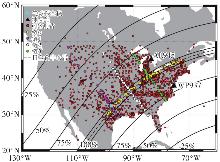
Fig. 1
Spatial distribution of GPS stations, ionosondes, chain 0—chain 3, and the solar eclipse path"
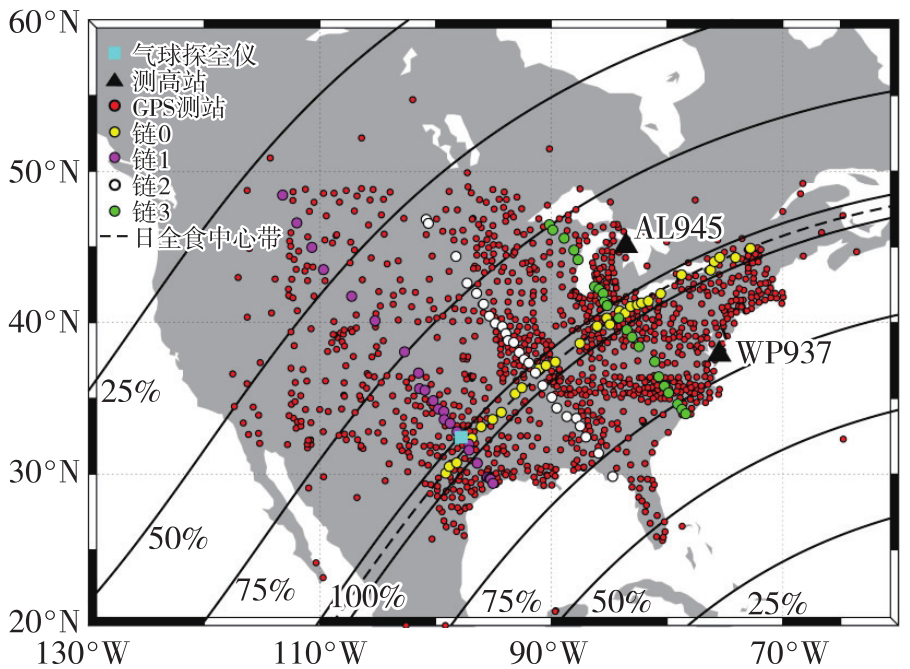
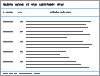
Tab. 1
The GPS station coordinates, solar timings and eclipse obscuration for chain 0—chain 3"
| 链 | GPS站 | 纬度 | 经度 | 初亏UT | 食甚UT | 复圆UT | 日食遮蔽度/(%) | 链 | GPS站 | 纬度 | 经度 | 初亏UT | 食甚UT | 复圆UT | 日食遮蔽度/(%) |
|---|---|---|---|---|---|---|---|---|---|---|---|---|---|---|---|
| 0 | txkr | 30.06°N | 99.12°W | 17.25 | 18.54 | 19.93 | 100 | 2 | wimw | 46.12°N | 89.88°W | 17.92 | 19.13 | 20.32 | 76 |
| 0 | p807 | 30.50°N | 98.82°W | 17.27 | 18.56 | 19.94 | 100 | 2 | wicr | 45.58°N | 88.89°W | 17.92 | 19.14 | 20.34 | 80 |
| … | … | ||||||||||||||
| 0 | nyhl | 44.31°N | 75.45°W | 18.18 | 19.39 | 20.59 | 100 | 2 | ncwh | 34.28°N | 78.72°W | 17.96 | 19.24 | 20.47 | 73 |
| 0 | nyrb | 44.30°N | 74.08°W | 18.21 | 19.42 | 20.61 | 100 | 2 | ncsl | 33.98°N | 78.39°W | 17.96 | 19.24 | 20.47 | 72 |
| 1 | mtdt | 46.59°N | 111.99°W | 17.65 | 18.67 | 19.71 | 37 | 3 | p802 | 46.56°N | 100.62°W | 17.76 | 18.91 | 20.06 | 57 |
| 1 | mawy | 44.97°N | 110.69°W | 17.60 | 18.66 | 19.75 | 42 | 3 | sdhu | 44.37°N | 98.24°W | 17.73 | 18.92 | 20.12 | 67 |
| … | … | ||||||||||||||
| 1 | mepd | 29.66°N | 95.24°W | 17.33 | 18.67 | 20.02 | 94 | 3 | alse | 32.45°N | 87.01°W | 17.65 | 18.98 | 20.27 | 83 |
| 1 | uhc5 | 29.39°N | 95.04°W | 17.33 | 18.67 | 20.02 | 92 | 3 | alnb | 31.38°N | 85.92°W | 17.66 | 18.98 | 20.28 | 77 |
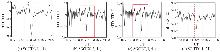
Fig. 2
The dTEC time series extracted by SG filtering"
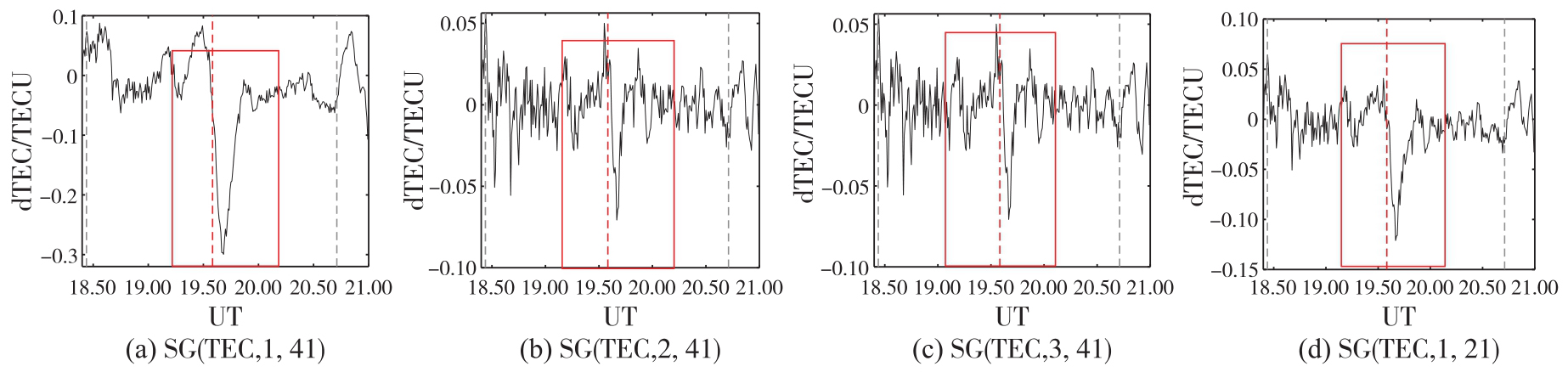
Fig. 3
Time-series variations in TEC, ΔTEC, and dTEC at GPS station escu"
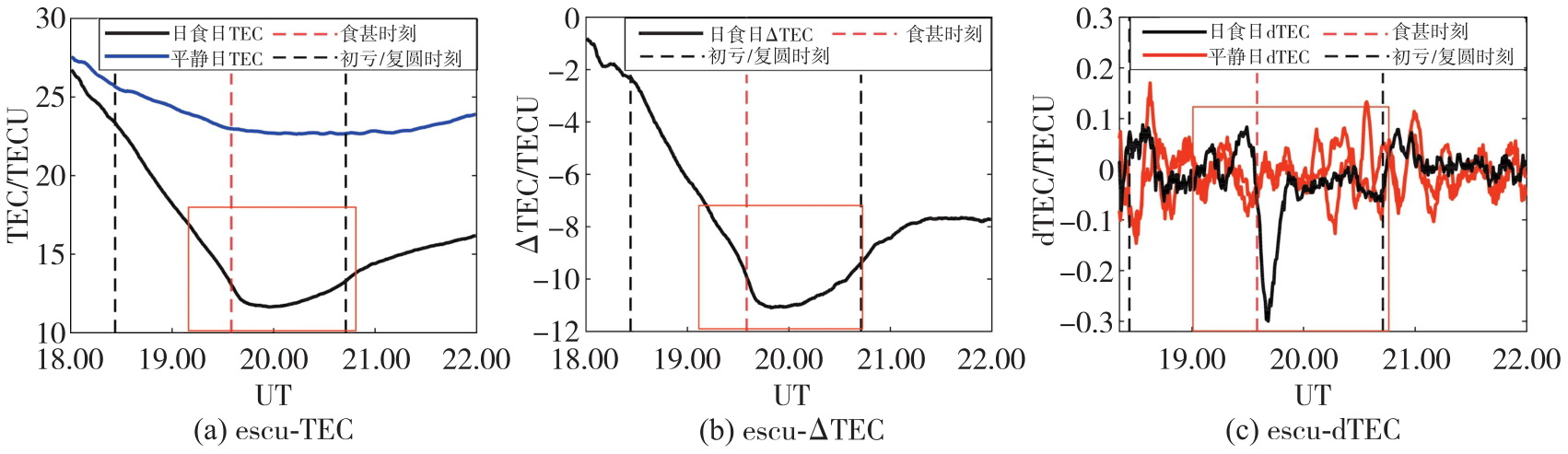
Fig. 4
The dTEC time series for GPS station chain 0-chain 3 with satellites G06 and G22"
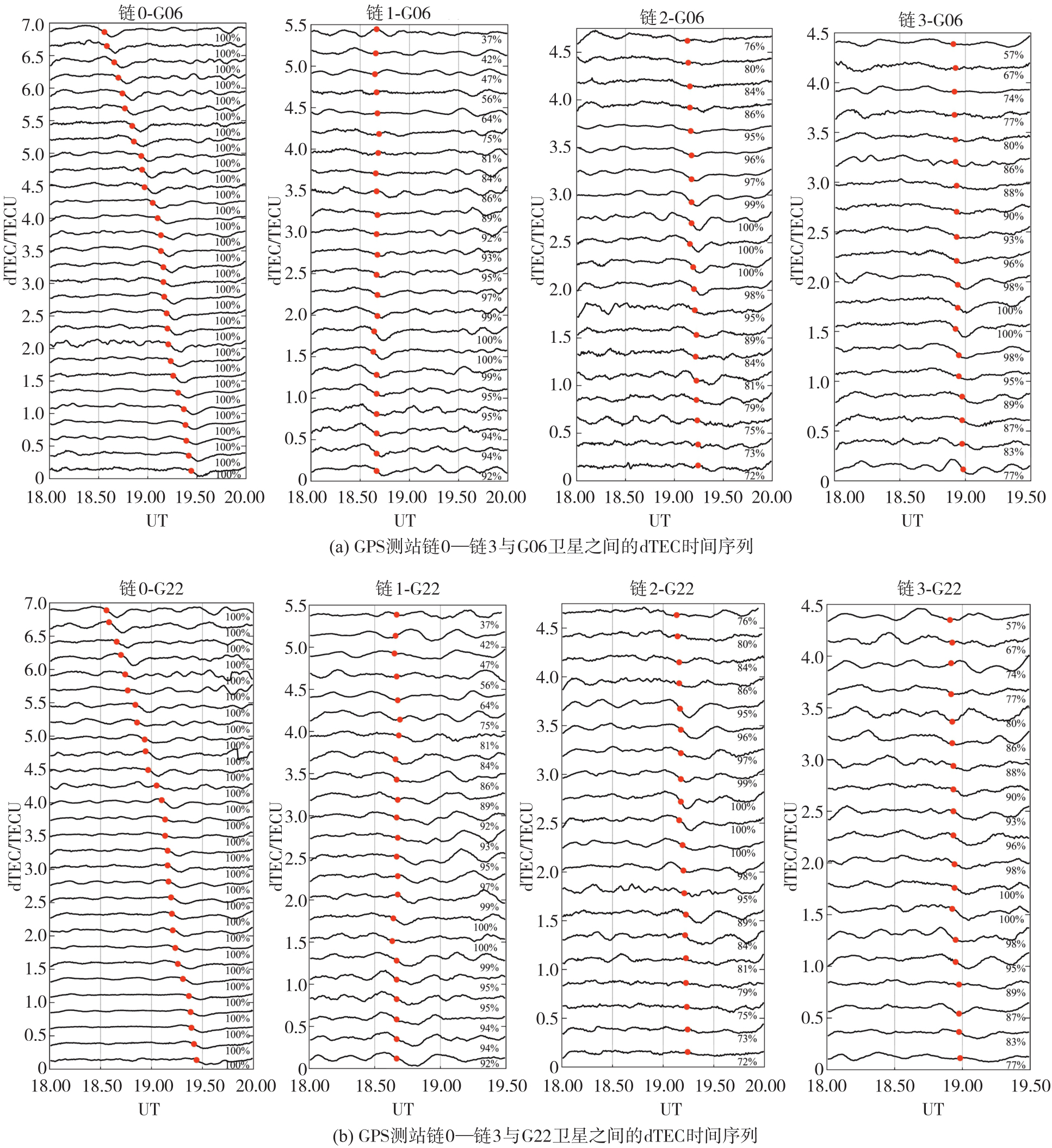
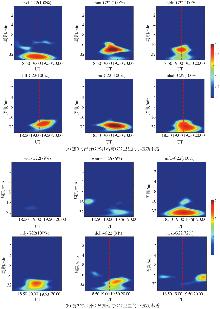
Fig. 5
Wavelet spectra of dTEC data from partial GPS stations on chain 0 and chain 2, and the G22 satellite"

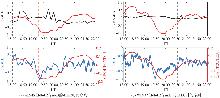
Fig. 6
Ionospheric disturbance variations at the AL945 and WP937 ionosondes"
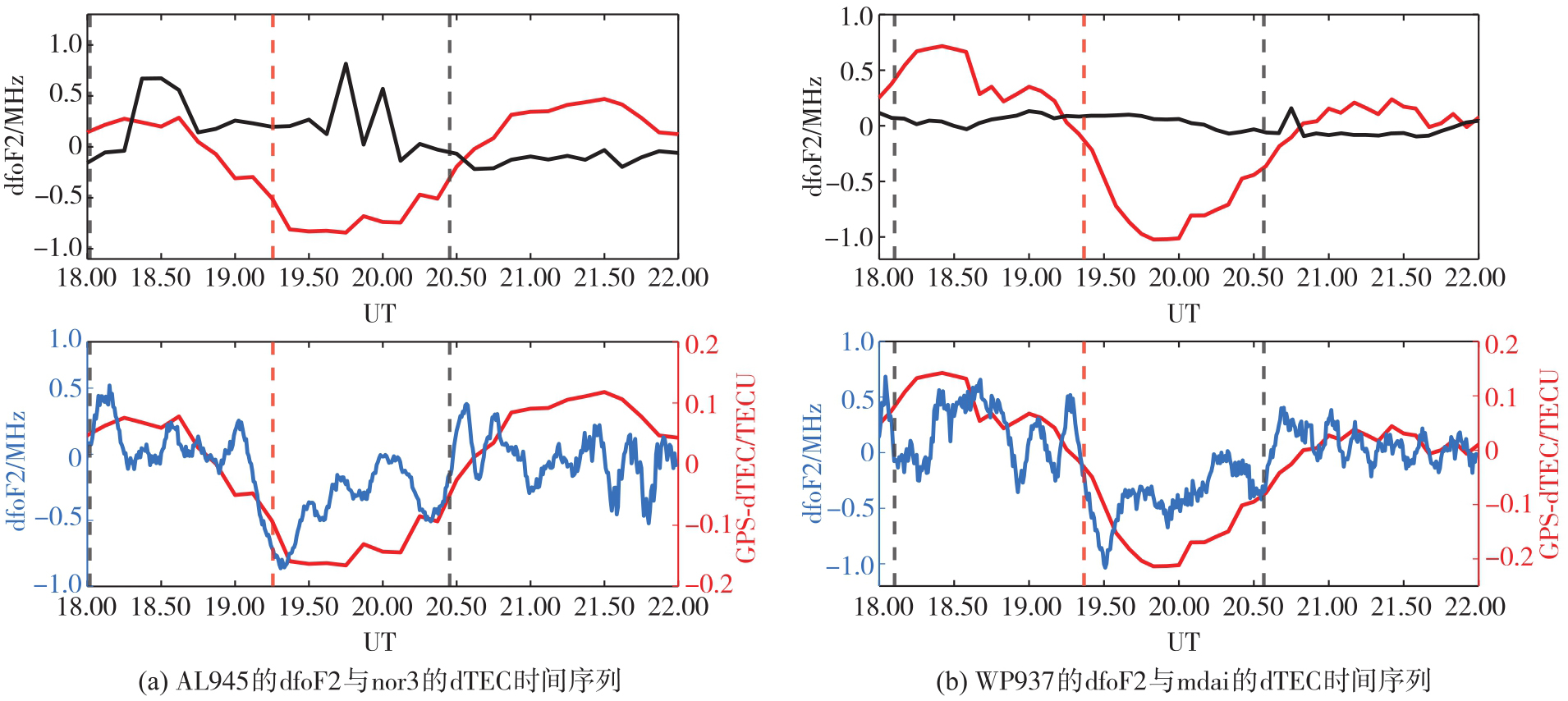
Fig. 7
Spatial distribution of dTEC from 18.40 UT to 19.80 UT"
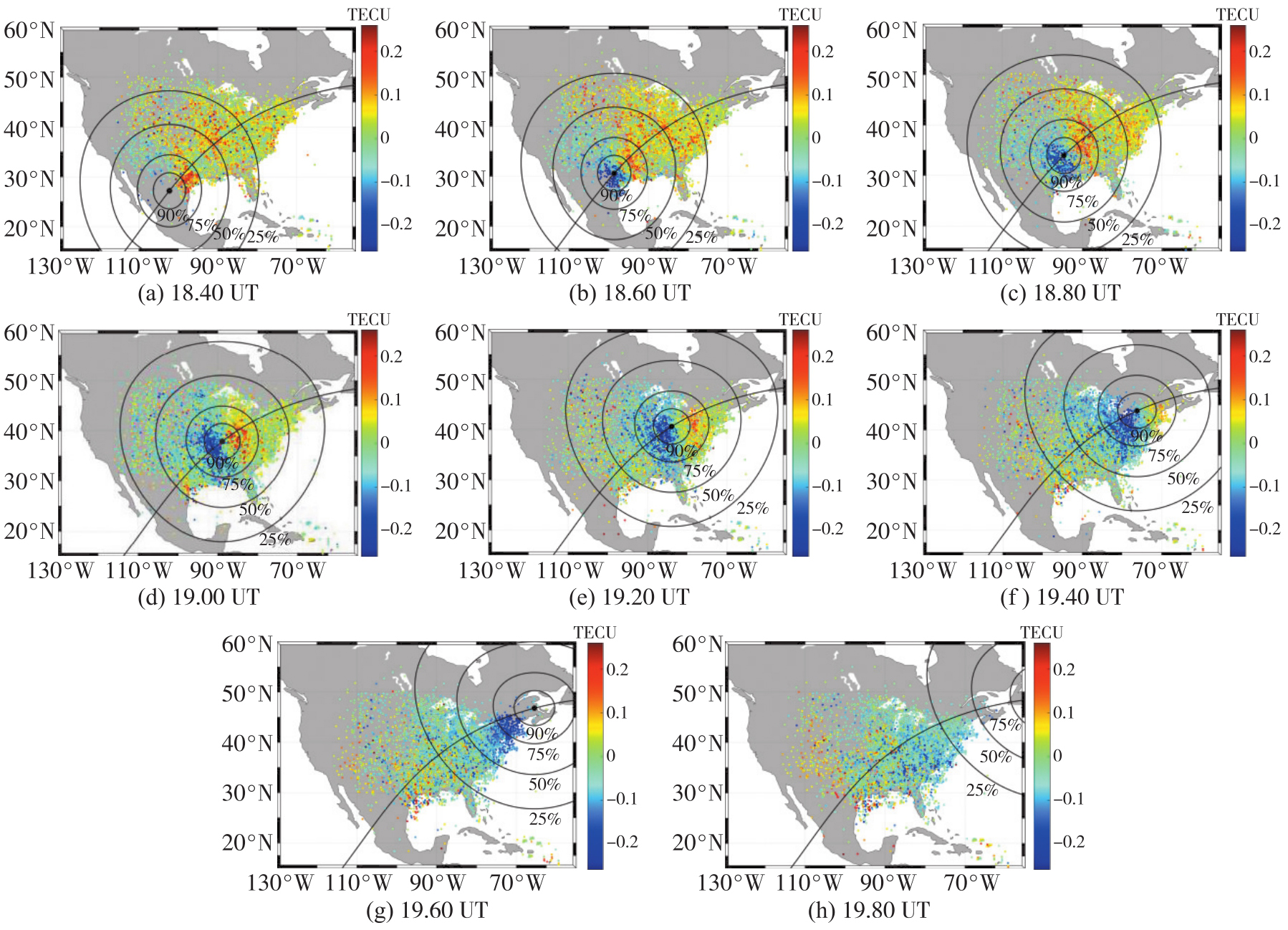
Fig. 8
Propagation characteristics of short-term ionospheric disturbances"
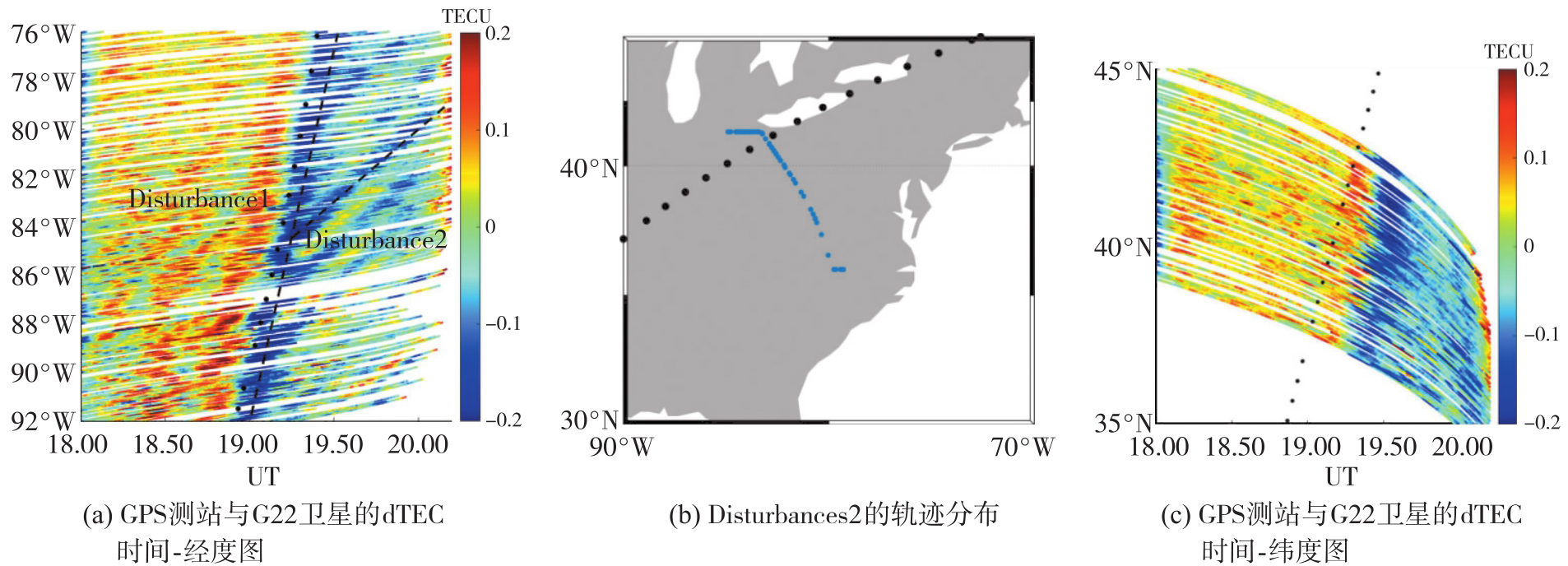
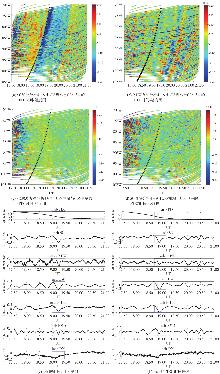
Fig. 9
Analysis of ionospheric variations during the eclipse using six detrending methods"

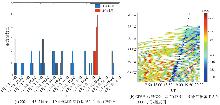
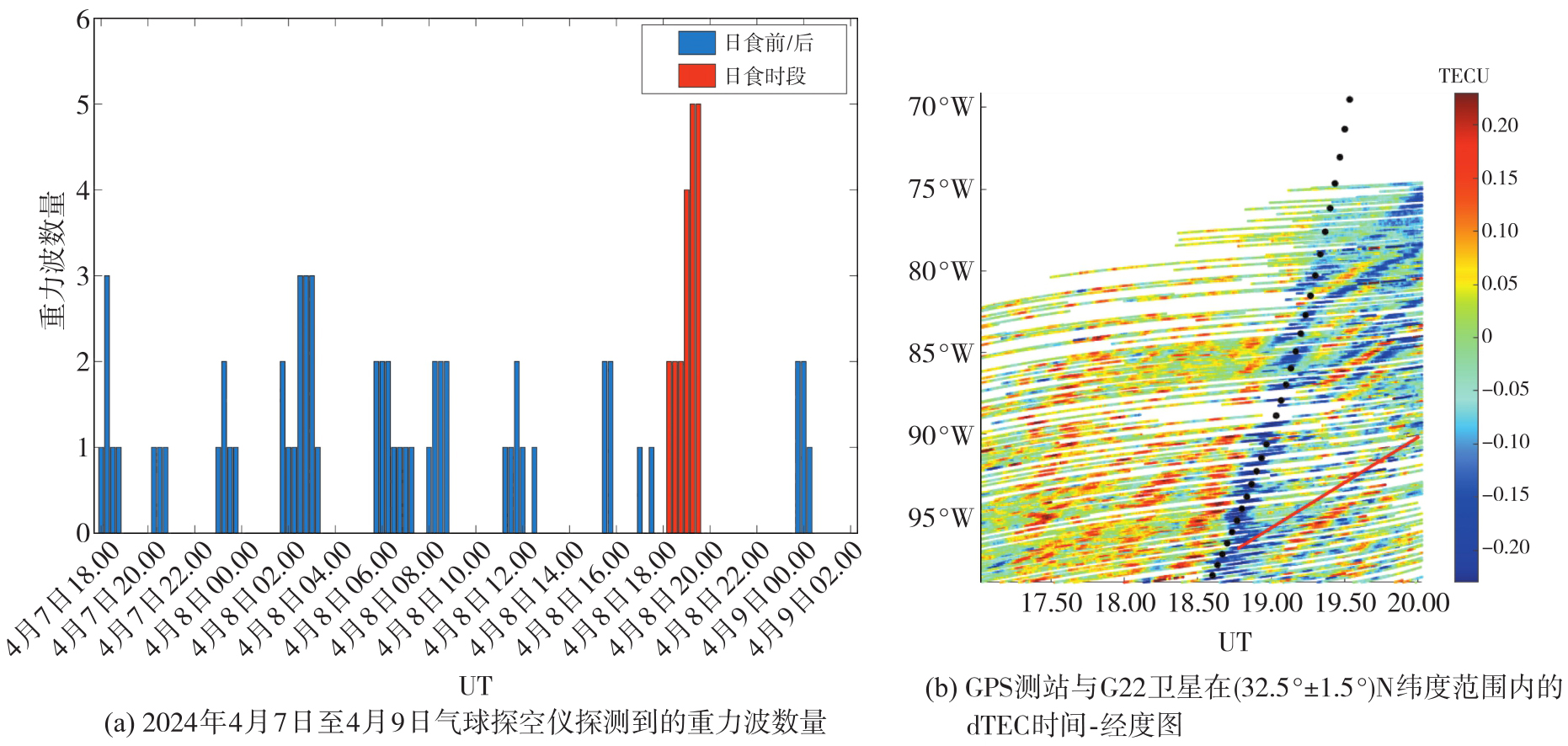
Fig. 10
Gravity wave detection and dTEC longitude diagram during the eclipse"
| [1] | VENKAT RATNAM M, ESWARAIAH S, LEENA P P, et al. Effect of the annular solar eclipse of 15 January 2010 on the low latitude mesosphere[J]. Journal of Atmospheric and Solar-Terrestrial Physics, 2012, 80: 340-346. |
| [2] | CHIMONAS G, HINES C O. Atmospheric gravity waves induced by a solar eclipse, 2[J]. Journal of Geophysical Research, 1971, 76(28): 7003-7005. |
| [3] | PAULINO I, FIGUEIREDO C A O B, RODRIGUES F S, et al. Atmospheric gravity waves observed in the nightglow following the 21 August 2017 total solar eclipse[J]. Geophysical Research Letters, 2020, 47(17): e2020GL088924. |
| [4] | LE Xuan, MEI Dengkui, CHEN Jinyuan, et al. Ionospheric total electron content and electron density response induced by the 8 April 2024 total solar eclipse[J]. Advances in Space Research, 2025, 75(6): 4813-4824. |
| [5] | AA E, COSTER A J, ZHANG Shunrong, et al. 2D total electron content and 3D ionospheric electron density variations during the 14 October 2023 annular solar eclipse[J]. Journal of Geophysical Research: Space Physics, 2024, 129(3): e2024JA032447. |
| [6] | LIU J Y, SUN Y Y, KAKINAMI Y, et al. Bow and stern waves triggered by the Moon's shadow boat[J]. Geophysical Research Letters, 2011, 38(17). L17109. |
| [7] | EISENBEIS J, OCCHIPINTI G, ASTAFYEVA E, et al. Short-and long-wavelength TIDs generated by the great American eclipse of 21 August 2017[J]. Journal of Geophysical Research: Space Physics, 2019, 124(11): 9486-9493. |
| [8] | MAURYA A K, SHRIVASTAVA M N, KUMAR K N. Ionospheric monitoring with the Chilean GPS eyeball during the South American total solar eclipse on 2nd July 2019[J]. Scientific Reports, 2020, 10: 19380. |
| [9] | GÓMEZ D D. Ionospheric response to the December 14, 2020 total solar eclipse in south America[J]. Journal of Geophysical Research: Space Physics, 2021, 126(7): e2021JA029537. |
| [10] | SUN A K, KIL H, CHANG H, et al. Do solar eclipses generate propagating ionospheric perturbations?[J]. Journal of Geophysical Research: Space Physics, 2025, 130(6): e2025JA033746. |
| [11] | FOWLER J, WANG Junhong, ROSS D, et al. Measuring ARTSE2017: results from Wyoming and New York[J]. Bulletin of the American Meteorological Society, 2019, 100(6): 1049-1060. |
| [12] | VESA O, SHETYE J, DENNEY A, et al. Revealing the dynamics of atmospheric gravity waves: insights from an annular solar eclipse event at artesia science center, NM[J]. Bulletin of the American Astronomical Society, 2025, 56(9): 2024n9i043. |
| [13] | National Aeronautics and Space Administration. Solar eclipses: 2021—2030[EB/OL]. [2026-04-20]. https://eclipse.gsfc.nasa.gov/SEdecade/SEdecade2021.html. |
| [14] | NAYAK C, YIĞIT E. GPS-TEC observation of gravity waves generated in the ionosphere during 21 August 2017 total solar eclipse[J]. Journal of Geophysical Research: Space Physics, 2018, 123(1): 725-738. |
| [15] | TORRENCE C, COMPO G P. A practical guide to wavelet analysis[J]. Bulletin of the American Meteorological Society, 1998, 79(1): 61-78. |
| [16] | MÜLLER-WODARG I C F, AYLWARD A D, LOCKWOOD M. Effects of a mid-latitude solar eclipse on the thermosphere and ionosphere-a modelling study[J]. Geophysical Research Letters, 1998, 25(20): 3787-3790. |
| [17] | BARAD R K, SRIPATHI S, ENGLAND S L. Multi-instrument observations of the ionospheric response to the 26 December 2019 solar eclipse over Indian and Southeast Asian longitudes[J]. Journal of Geophysical Research: Space Physics, 2022, 127(9): e2022JA030330. |
| [18] | SCHÖDEL J P, KLOSTERMEYER J, RÖTTGER J. Atmospheric gravity wave observations after the solar eclipse of June 30, 1973[J]. Nature, 1973, 245(5420): 87-88. |
| [19] | LIN C Y, DENG Yue, RIDLEY A. Atmospheric gravity waves in the ionosphere and thermosphere during the 2017 solar eclipse[J]. Geophysical Research Letters, 2018, 45(11): 5246-5252. |
| [20] | CHIMONAS G. Internal gravity-wave motions induced in the Earth's atmosphere by a solar eclipse[J]. Journal of Geophysical Research, 1970, 75(28): 5545-5551. |
| [21] | ZHANG Shunrong, ERICKSON P J, GONCHARENKO L P, et al. Ionospheric bow waves and perturbations induced by the 21 August 2017 solar eclipse[J]. Geophysical Research Letters, 2017, 44(24): 12067-12073. |
| [22] | HU Jiayu, GU Shengfeng, SUN Yazhou, et al. Analysis of global ionospheric responses to the may 2024 super geomagnetic storm using multi-instrument observation[J]. IEEE Transactions on Geoscience and Remote Sensing, 2025, 63: 4108933. |
| [23] |
罗亦泳, 吴大卫. 基于GPS TEC的2022年1月15日汤加火山喷发激起的电离层行扰分析[J]. 测绘学报, 2024, 53(4): 629-643. DOI: .
doi: 10.11947/j.AGCS.2024.20220523 |
|
LUO Yiyong, WU Dawei. Analysis of ionospheric disturbance induced by Tonga volcanic eruption on January 15, 2022 based on GPS TEC[J]. Acta Geodaetica et Cartographica Sinica, 2024, 53(4): 629-643. DOI: .
doi: 10.11947/j.AGCS.2024.20220523 |
|
| [24] | JONAH O F, COSTER A, ZHANG S, et al. TID observations and source analysis during the 2017 memorial day weekend geomagnetic storm over North America[J]. Journal of Geophysical Research: Space Physics, 2018, 123(10): 8749-8765. |
| [25] | YEH K C, LIU C H. Acoustic-gravity waves in the upper atmosphere[J]. Reviews of Geophysics, 1974, 12(2): 193-216. |
| [26] | AZEEM I, YUE Jia, HOFFMANN L, et al. Multisensor profiling of a concentric gravity wave event propagating from the troposphere to the ionosphere[J]. Geophysical Research Letters, 2015, 42(19): 7874-7880. |
| [27] | PIROG O M, POLEKH N M, ROMANOVA E B, et al. F2 layer response to geomagnetic disturbances in Eastern Asia under the low solar activity[J]. Advances in Space Research, 2010, 46(7): 921-933. |
| [28] | COSTER A J, GONCHARENKO L, ZHANG Shunrong, et al. GNSS observations of ionospheric variations during the 21 August 2017 solar eclipse[J]. Geophysical Research Letters, 2017, 44(24): 12041-12048. |
| [29] | MRAK S, SEMETER J, DROB D, et al. Direct EUV/X-ray modulation of the ionosphere during the August 2017 total solar eclipse[J]. Geophysical Research Letters, 2018, 45(9): 3820-3828. |
| [30] | JONAH O F, KHERANI E A, DE PAULA E R. Observation of TEC perturbation associated with medium-scale traveling ionospheric disturbance and possible seeding mechanism of atmospheric gravity wave at a Brazilian sector[J]. Journal of Geophysical Research: Space Physics, 2016, 121(3): 2531-2546. |
| [31] | LI Wang, YANG Fangsong, YANG Jiayi, et al. Morphological features of severe ionospheric weather associated with typhoon Doksuri in 2023[J]. Remote Sensing, 2024, 16(18): 3375. |
| [32] | THEMENS D R, WATSON C, ŽAGAR N, et al. Global propagation of ionospheric disturbances associated with the 2022 Tonga volcanic eruption[J]. Geophysical Research Letters, 2022, 49(7): e2022GL098158. |
| [33] | HINES C O. The upper atmosphere in motion: a selection of papers with annotation[M]. Washington, D.C.: American Geophysical Union, 1974. |
| [34] | MILLER E S, KIL H, MAKELA J J, et al. Topside signature of medium-scale traveling ionospheric disturbances[J]. Annales Geophysicae, 2014, 32(8): 959-965. |
| [35] | DING Feng, WAN Weixing, MAO Tian, et al. Ionospheric response to the shock and acoustic waves excited by the launch of the Shenzhou 10 spacecraft[J]. Geophysical Research Letters, 2014, 41(10): 3351-3358. |
| [36] | SHETYE J, VESA O, HOUSER C, et al. Characterization of atmospheric gravity waves observed during a total solar eclipse in Granbury, Texas[J]. Bulletin of the American Astronomical Society, 2025, 56(9): 2024n9i038. |
| [1] | Yang SHEN, Guangyun LI, Mingjian CHEN, Linyang LI, Xingyu SHI, Wei CAI, Weifeng HAO. Assessment of GNSS ionosphere models based on FY-3 TEC in polar regions [J]. Acta Geodaetica et Cartographica Sinica, 2025, 54(6): 995-1008. |
| [2] | Yiyong LUO, Dawei WU. Analysis of ionospheric disturbance induced by Tonga volcanic eruption on January 15, 2022 based on GPS TEC [J]. Acta Geodaetica et Cartographica Sinica, 2024, 53(4): 629-643. |
| [3] | WANG Ningbo, LI Zishen, LI Ang, ZHANG Yan, LIU Ang, WANG Liang. Sliding window based GNSS dSTEC weighting method for real-time combination of global ionospheric maps [J]. Acta Geodaetica et Cartographica Sinica, 2024, 53(2): 296-305. |
| [4] | LIU Yang, QIU Yuxuan, WANG Junyi, LI Hanghao, ZHANG Yu, WEN Yangmao, XU Caijun. Inversion of current locking degree and slip deficit of fault zone in northern Qaidam Basin based on GPS data [J]. Acta Geodaetica et Cartographica Sinica, 2023, 52(12): 2015-2027. |
| [5] | XU Longwei, WU Zhongwang, DONG Xurong. A real-time estimating algorithm of GLONASS inter-frequency code bias and its application in RTK [J]. Acta Geodaetica et Cartographica Sinica, 2022, 51(2): 169-181. |
| [6] | LIU Han, WEI Hui, ZOU Xiancai. Precise GNSS phase velocity determination for GRACE Follow-On satellites [J]. Acta Geodaetica et Cartographica Sinica, 2021, 50(12): 1772-1779. |
| [7] | ZHAO Jing, ZHAN Wei, REN Jinwei, JIANG Zaisen, GU Tie, LIU Jie, NIU Anfu, YUAN Zhengyi. GPS time series inversion of the healing process of the middle segment of the Longmenshan fault after the 2008 Wenchuan earthquake [J]. Acta Geodaetica et Cartographica Sinica, 2021, 50(1): 37-51. |
| [8] | ZHOU Feng, XU Tianhe. Modeling and assessment of GPS/BDS/Galileo triple-frequency precise point positioning [J]. Acta Geodaetica et Cartographica Sinica, 2021, 50(1): 61-70. |
| [9] | LIANG Yueji, REN Chao, HUANG Yibang, PAN Yalong, ZHANG Zhigang. Multi-star linear regression retrieval model for monitoring soil moisture using GPS-IR [J]. Acta Geodaetica et Cartographica Sinica, 2020, 49(7): 833-842. |
| [10] | ZHU Huizhong, LI Jun, YU Zeran, ZHANG Kai, XU Aigong. The algorithm of multi-frequency carrier phase integer ambiguity resolution with GPS/BDS between long range network RTK reference stations [J]. Acta Geodaetica et Cartographica Sinica, 2020, 49(3): 300-311. |
| [11] | HE Zhenyu, CHEN Wu, YANG Yang. GPS-based space-surface passive bistatic radar technique for maritime moving target detection [J]. Acta Geodaetica et Cartographica Sinica, 2020, 49(12): 1523-1534. |
| [12] | HAN Ling, WANG Jiexian, CHEN Yanling, LIU Jingbin, LI Haojun. Optimized estimation of foF2 using GNSS data ingestion to NeQuick model during magnetic storm [J]. Acta Geodaetica et Cartographica Sinica, 2020, 49(1): 14-23. |
| [13] | ZHU Yongxing, TAN Shusen, DU Lan, JIA Xiaolin. Global ionospheric Kriging interpolation and precision analysis by considering gross error [J]. Acta Geodaetica et Cartographica Sinica, 2019, 48(7): 840-848. |
| [14] | YAO Chaolong, LUO Zhicai, HU Yueming, WANG Changwei, ZHANG Rui, LI Jinming. Detecting droughts in Southwest China from GPS vertical position displacements [J]. Acta Geodaetica et Cartographica Sinica, 2019, 48(5): 547-554. |
| [15] | TANG Luliang, DAI Ling, REN Chang, ZHANG Xia. Spatio-temporal modeling of city events combining datasets in cyberspace and real space [J]. Acta Geodaetica et Cartographica Sinica, 2019, 48(5): 618-629. |
| Viewed | ||||||
|
Full text |
|
|||||
|
Abstract |
|
|||||
