

Acta Geodaetica et Cartographica Sinica ›› 2026, Vol. 55 ›› Issue (5): 894-908.doi: 10.11947/j.AGCS.2026.20250529
• Photogrammetry and Remote Sensing • Previous Articles Next Articles
Tiandong SHI1( ), Ling ZHAO1, Wenhao ZHAO2, Ji QI3(), Hao CUI4, Chengli PENG1, Xinchang ZHANG3
Received:2025-12-19
Revised:2026-04-19
Online:2026-06-23
Published:2026-06-23
Contact:
Ji QI
E-mail:csushitd@csu.edu.cn;jameschi95@foxmail.com
About author:SHI Tiandong (1996—), male, PhD candidate, majors in remote sensing intelligent interpretation and controllable generation. E-mail: csushitd@csu.edu.cn
Supported by:CLC Number:
Tiandong SHI, Ling ZHAO, Wenhao ZHAO, Ji QI, Hao CUI, Chengli PENG, Xinchang ZHANG. Controllable generation of high-resolution optical remote sensing image explicitly guided by spatio-temporal information[J]. Acta Geodaetica et Cartographica Sinica, 2026, 55(5): 894-908.
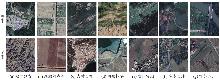
Fig. 1
Image sampling regions with temporal and spatial diversity"
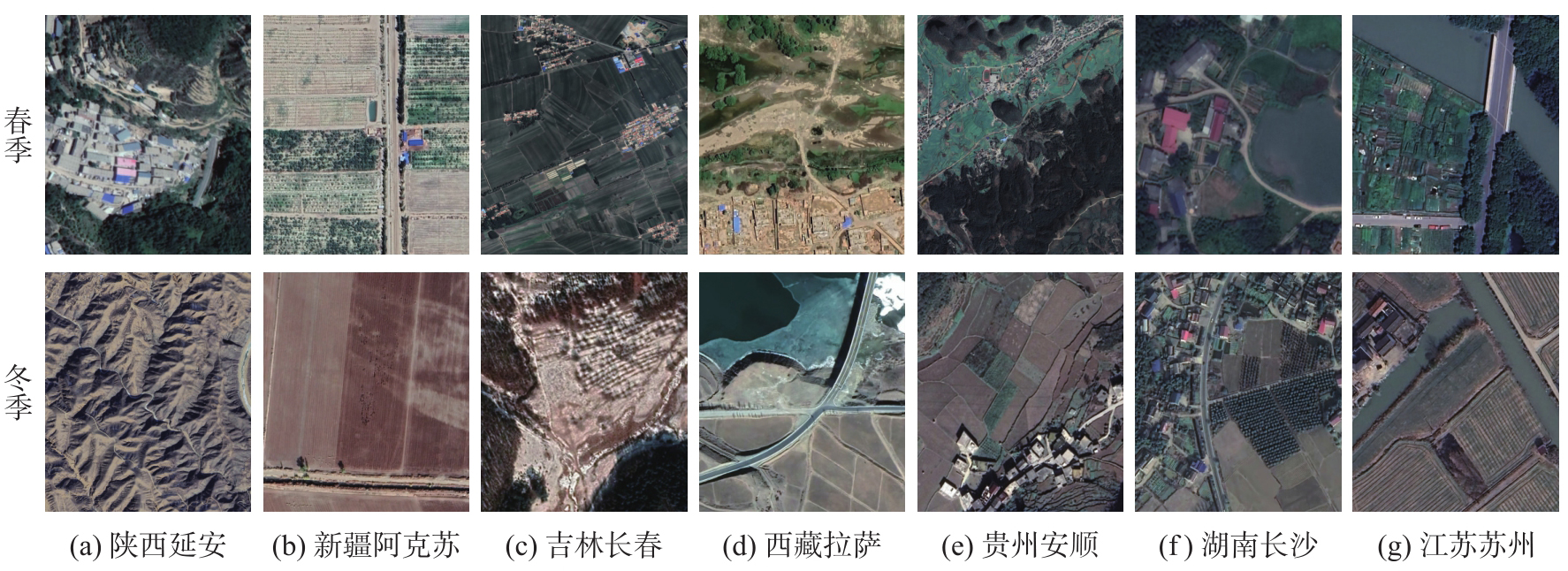
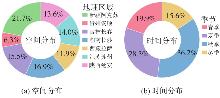
Fig. 2
Statistics of image sampling regions and times"
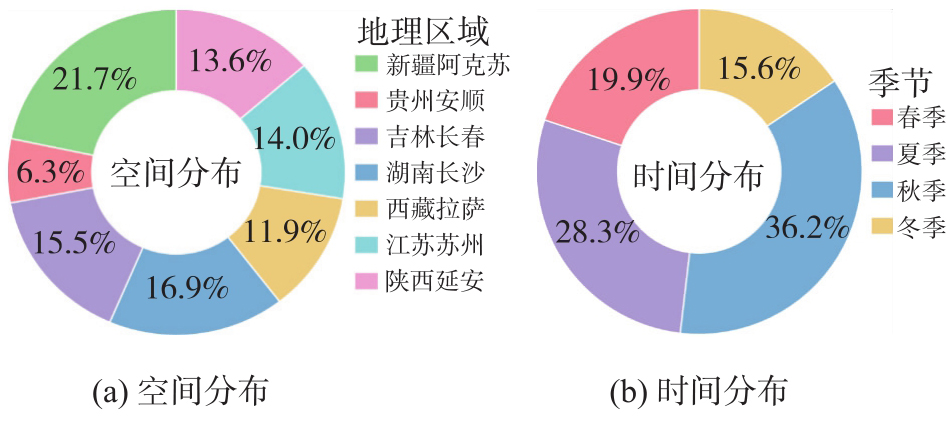
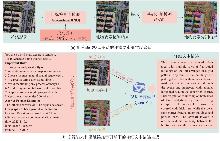
Fig. 3
Fine-grained text generation with visual language model"
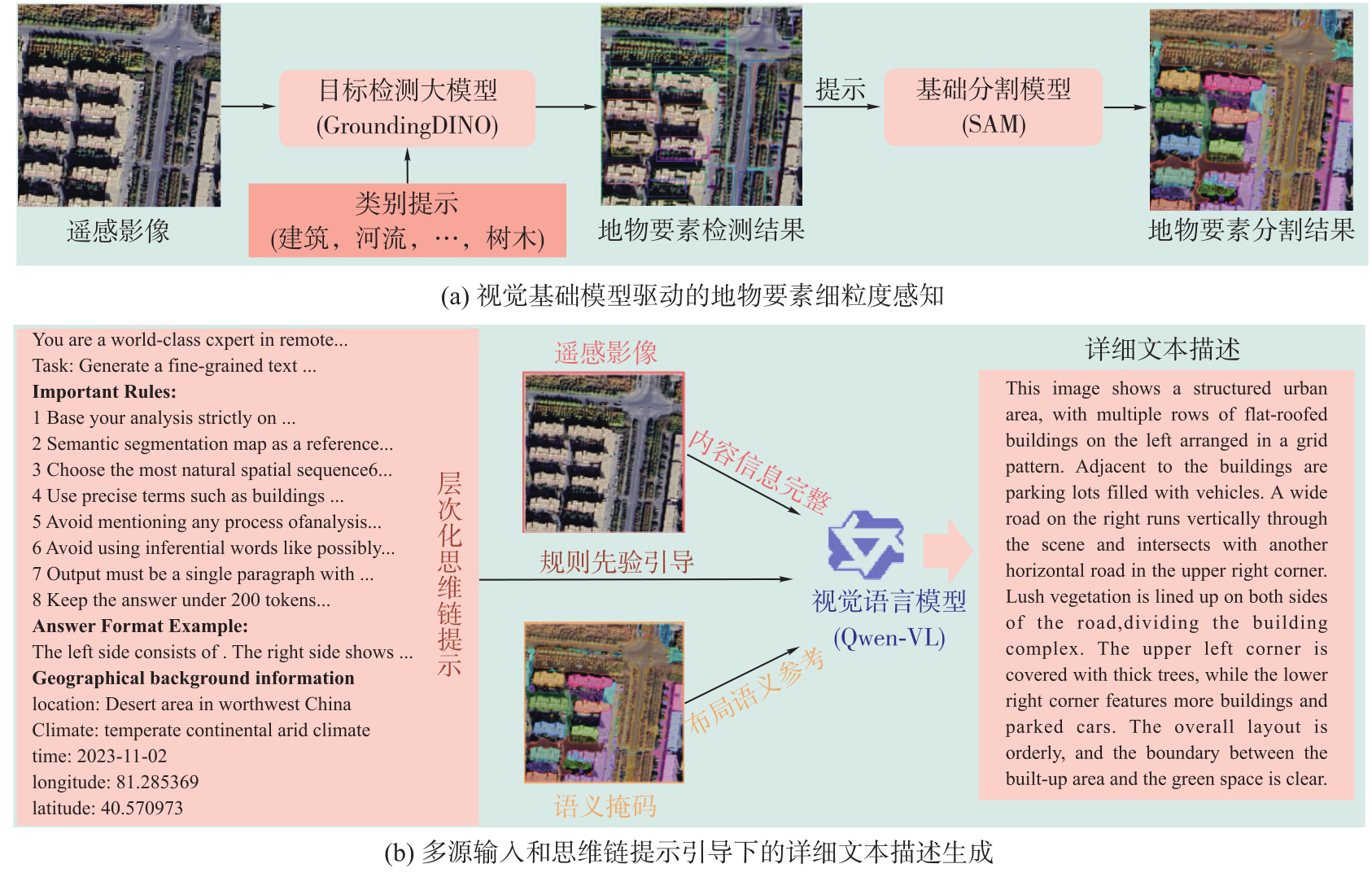
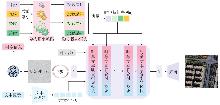
Fig. 4
Temporal and spatial controllable remote sensing image generation framework"

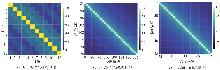
Fig. 5
Cosine similarity between month coding and coordinate coding"
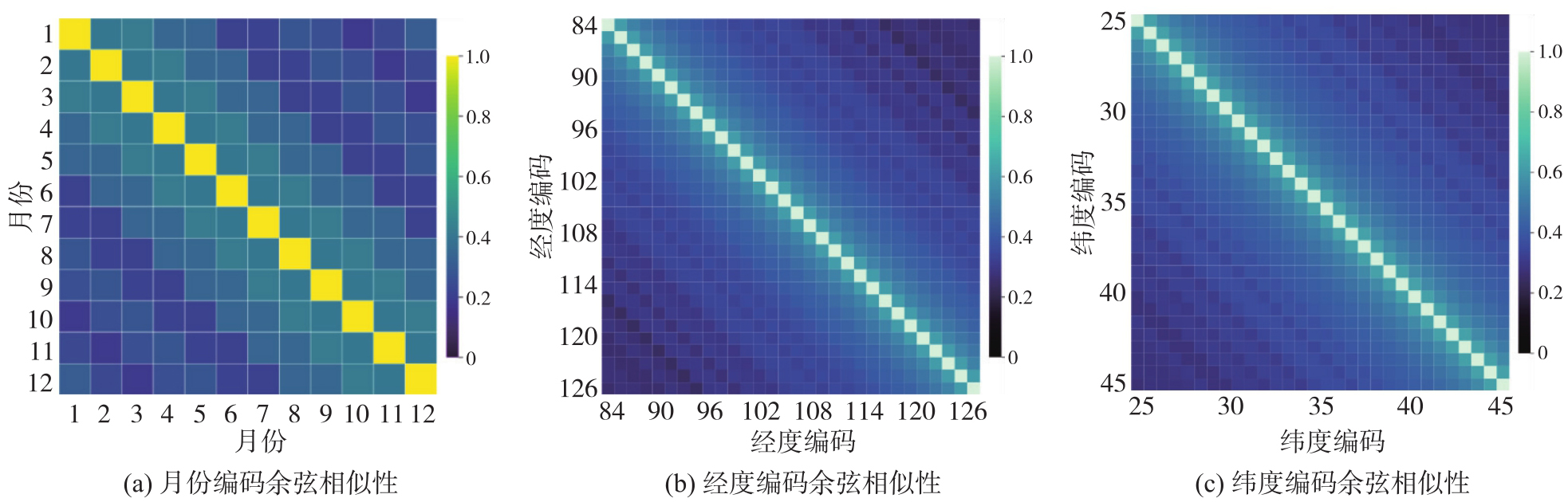
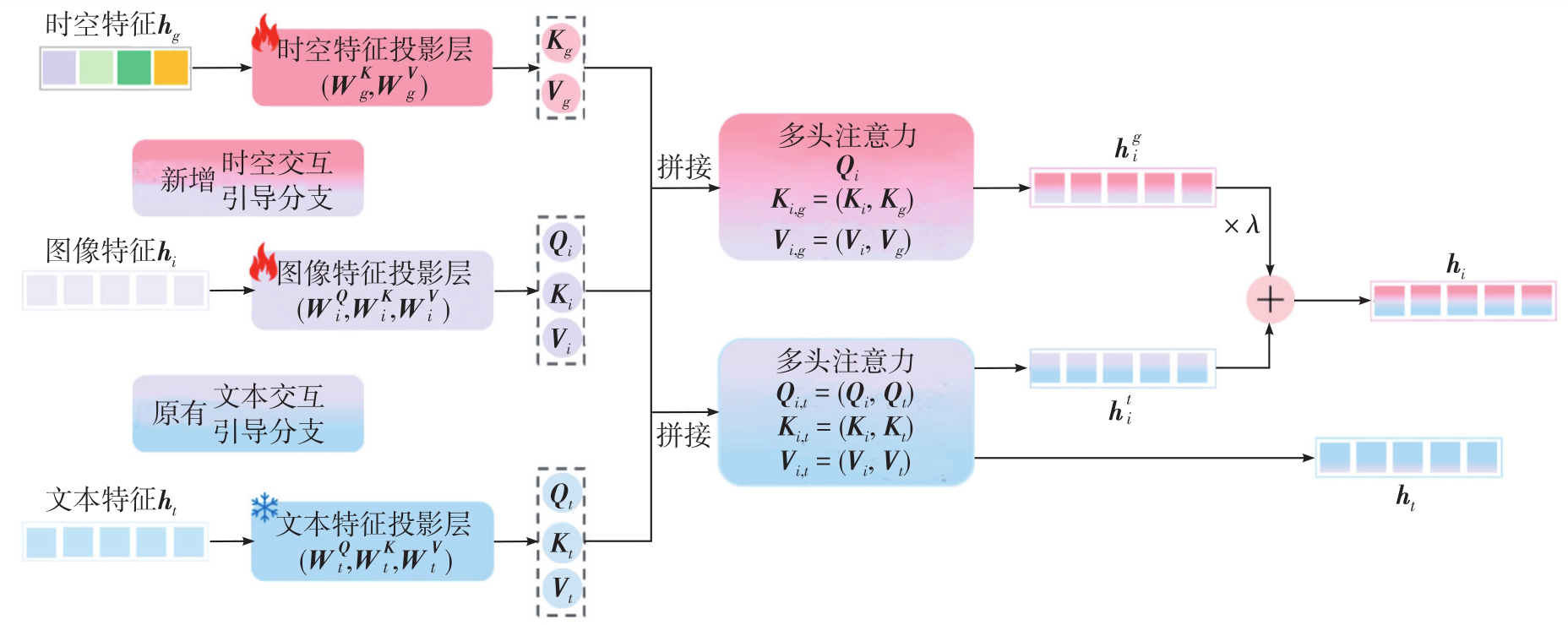
Fig. 6
Spatio-temporal-text joint guidance module based on decoupled attention"
Tab. 1
Quantitative evaluation results of each method on the test dataset"
| 方法 | FID | MS-SSIM | CLIP Score |
|---|---|---|---|
| 文本编码法 | 6.858 0 | 0.150 4 | 23.948 6 |
| CRS-Diff | 7.027 0 | 0.196 9 | 25.595 7 |
| DiffusionSat | 6.485 0 | 0.167 0 | 25.587 7 |
| Text2Earth | 13.523 4 | 0.189 9 | 24.787 2 |
| 本文方法 | 3.457 2 | 0.225 8 | 25.770 5 |
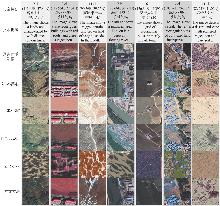
Fig. 7
Visual comparison of 7 regional images generated using different methods"

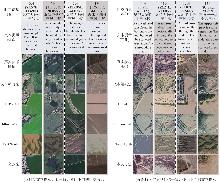
Fig. 8
The effects of spatio-temporal information and text prompt in generating images"

Tab. 2
Quantitative results of the ablation experiment for the independent projection module"
| 模块 | FID | MS-SSIM | CLIP Score |
|---|---|---|---|
| 不使用独立投影模块 | 4.860 4 | 0.171 6 | 25.770 2 |
| 使用独立投影模块 | 3.457 2 | 0.225 8 | 25.770 5 |
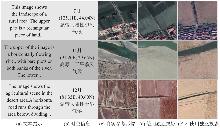
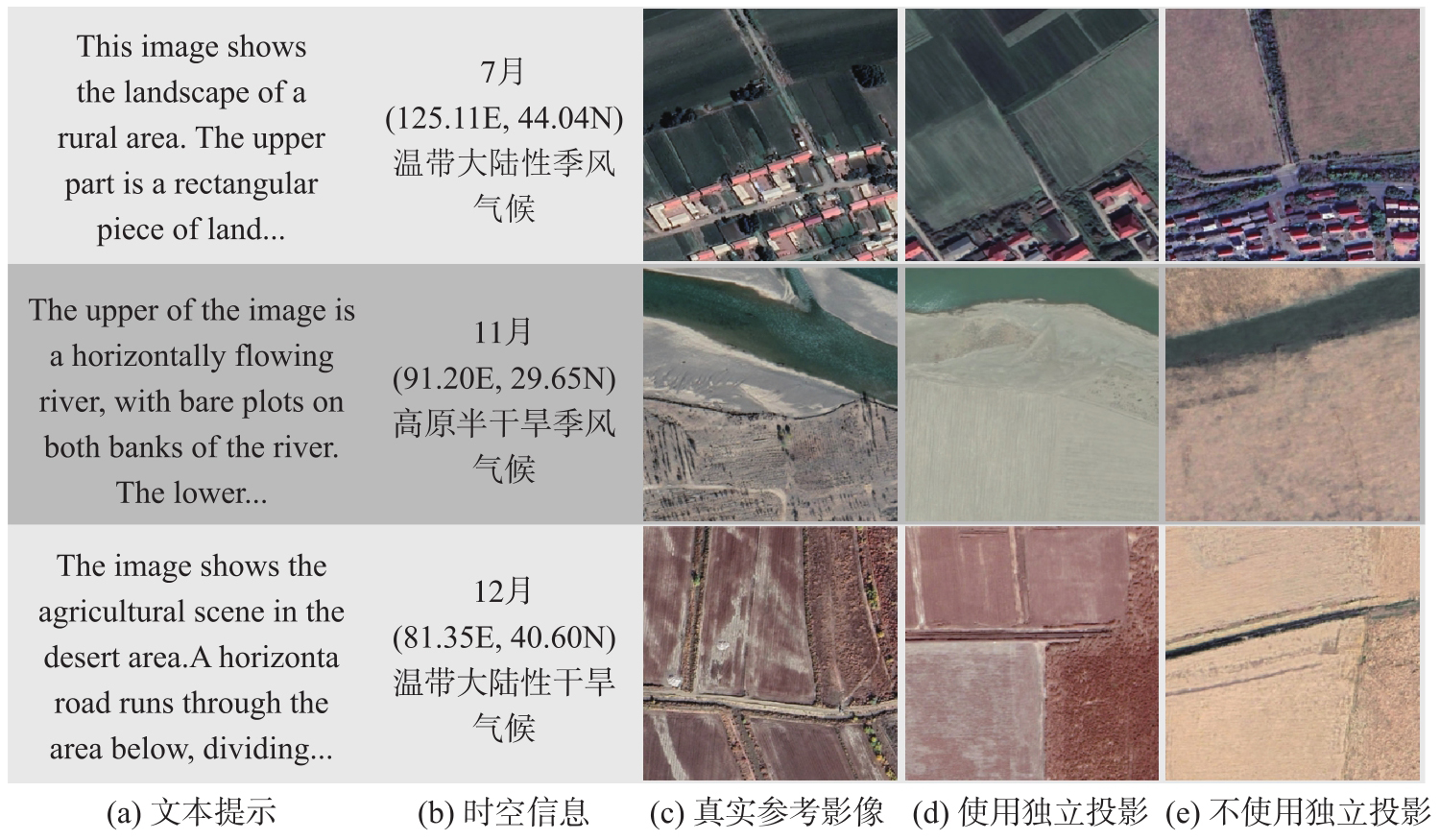
Fig. 9
Visual comparison of the impact of independent projection modules on the generated results"
Tab. 3
Quantitative results of the ablation experiment for heterogeneous frequency coding strategy"
| 编码策略 | FID | MS-SSIM | CLIP Score |
|---|---|---|---|
| 标准MLP编码 | 4.530 6 | 0.211 5 | 25.736 5 |
| 异构频率编码 | 3.457 2 | 0.225 8 | 25.770 5 |
Fig. 10
Visualization comparison of the impact of heterogeneous frequency encoding strategy on the generated results"
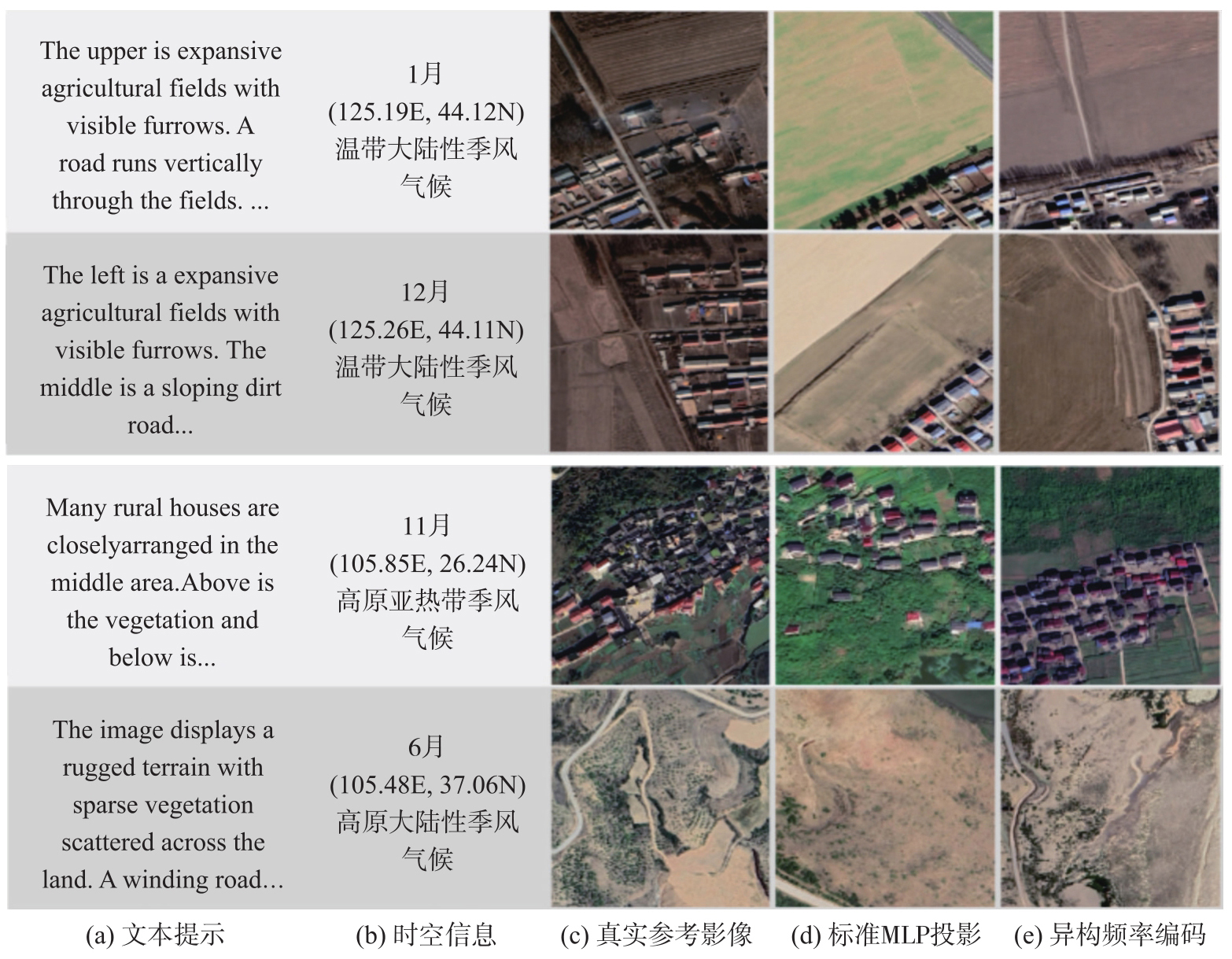
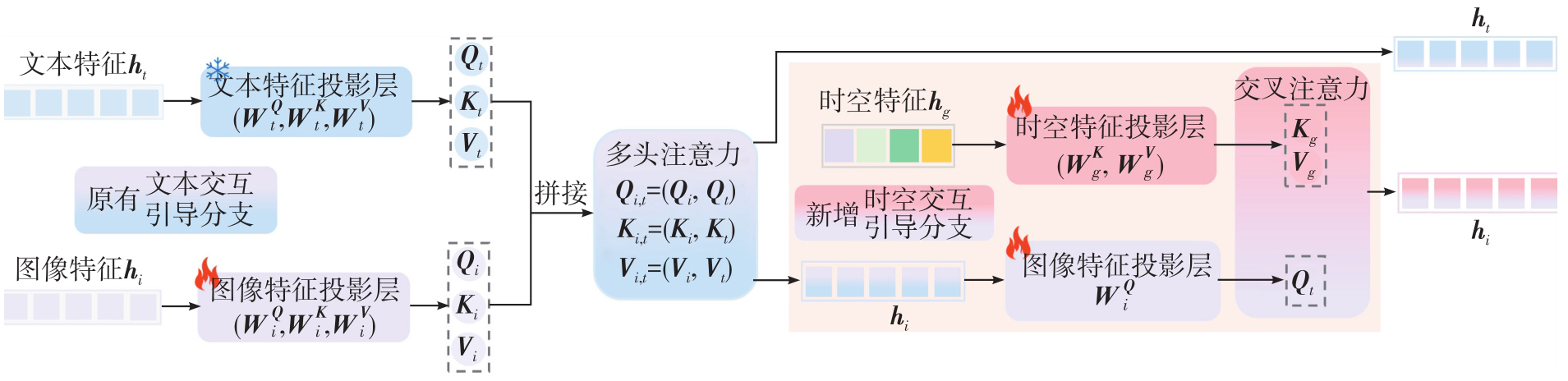
Fig. 11
Guided interaction by spatio-temporal features and visual features based on the standard cross-attention"
Tab. 4
Quantitative results of the ablation experiment for the decoupled attention mechanism"
| 注意力机制 | FID | MS-SSIM | CLIP Score |
|---|---|---|---|
| 标准交叉注意力 | 7.848 5 | 0.213 3 | 25.345 5 |
| 解耦注意力 | 3.457 2 | 0.225 8 | 25.770 5 |
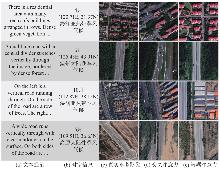
Fig. 12
Visualization comparison of the impact of the interaction guidance mechanism between features based on decoupled attention"

Tab. 5
Quantitative results of the ablation experiment for the adaptation rank"
| 适配秩 | FID | MS-SSIM | CLIP-Score |
|---|---|---|---|
| 128 | 8.161 4 | 0.186 1 | 25.564 0 |
| 256 | 6.567 2 | 0.203 8 | 25.746 0 |
| 512 | 4.574 8 | 0.224 8 | 25.767 0 |
| 1024 | 3.457 2 | 0.225 8 | 25.770 5 |
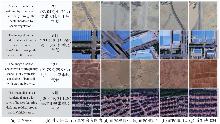
Fig. 13
Visualization comparison of the impact of adaptation rank on the generated results"
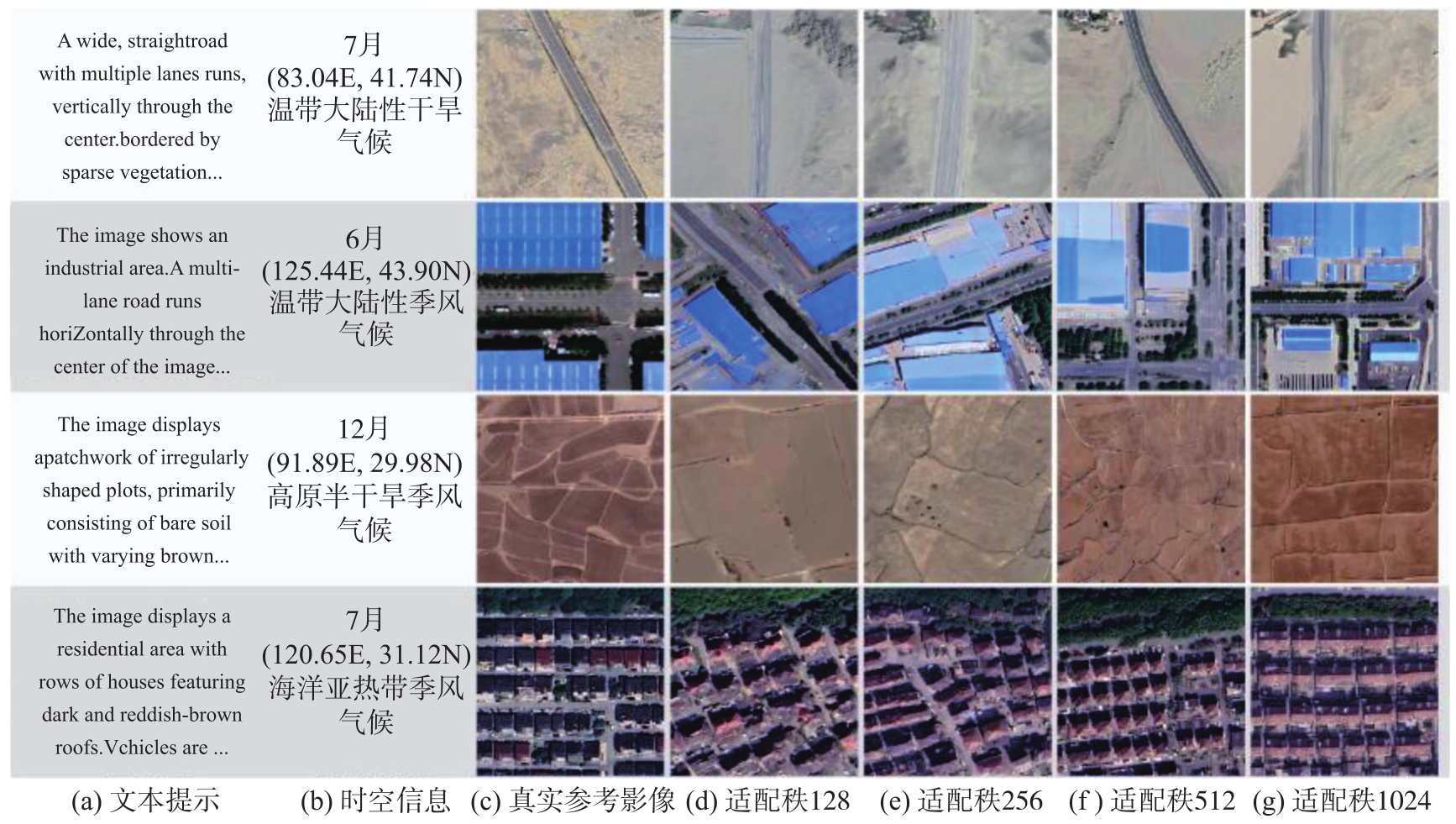
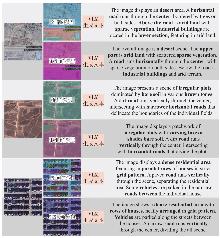
Fig. 14
The influence of segmentation masks on the generation of text descriptions by visual language model"

| [1] | HUANG Wei, CUI Zhimei, HUANG Zhidu, et al. Research on building extraction based on object-oriented CART classification algorithm and GF-2 Satellite images[J]. Journal of Geodesy and Geoinformation Science, 2024, 7(4): 5-18. |
| [2] | ZHAO Bofei, SUI Haigang, ZHU Yihao, et al. Real-time rescue target detection based on UAV imagery for flood emergency response[J]. Journal of Geodesy and Geoinformation Science, 2024, 7(1): 74-89. |
| [3] | HAN Zheng, LING Ziyan, DONG Li, et al. Heterogeneity effect of human disturbances on landscape patterns in the Yellow River Delta wetland, China[J]. Journal of Geodesy and Geoinformation Science, 2024, 7(4): 75-93. |
| [4] |
杨元喜. 地理空间数字孪生与时空智能[J]. 测绘学报, 2025, 54(2): 213-220. DOI: .
doi: 10.11947/j.AGCS.2025.20240515 |
|
YANG Yuanxi. Digital twin and spatio-temporal intelligence of geospatial information system[J]. Acta Geodaetica et Cartographica Sinica, 2025, 54(2): 213-220. DOI: .
doi: 10.11947/j.AGCS.2025.20240515 |
|
| [5] | 李德仁, 王密, 肖晶, 等. 论无所不在的时空智能[J]. 遥感学报, 2025, 29(6): 1388-1398. |
| LI Deren, WANG Mi, XIAO Jing, et al. On ubiquitous spatio-temporal intelligence[J]. National Remote Sensing Bulletin, 2025, 29(6): 1388-1398. | |
| [6] |
陈军, 艾廷华, 闫利, 等. 智能化测绘的混合计算范式与方法研究[J]. 测绘学报, 2024, 53(6): 985-998. DOI: .
doi: 10.11947/j.AGCS.2024.20240131 |
|
CHEN Jun, AI Tinghua, YAN Li, et al. Hybrid computational paradigm and methods for intelligentized surveying and mapping[J]. Acta Geodaetica et Cartographica Sinica, 2024, 53(6): 985-998. DOI: .
doi: 10.11947/j.AGCS.2024.20240131 |
|
| [7] | TAO Chao, QI Ji, ZHANG Guo, et al. TOV: the original vision model for optical remote sensing image understanding via self-supervised learning[J]. IEEE Journal of Selected Topics in Applied Earth Observations and Remote Sensing, 2023, 16: 4916-4930. |
| [8] |
龚健雅, 许越, 胡翔云, 等. 遥感影像智能解译样本库现状与研究[J]. 测绘学报, 2021, 50(8): 1013-1022. DOI: .
doi: 10.11947/j.AGCS.2021.20210085 |
|
GONG Jianya, XU Yue, HU Xiangyun, et al. Status analysis and research of sample database for intelligent interpretation of remote sensing image[J]. Acta Geodaetica et Cartographica Sinica, 2021, 50(8): 1013-1022. DOI: .
doi: 10.11947/j.AGCS.2021.20210085 |
|
| [9] | ZHENG Z, ERMON S, KIM D, et al. Changen2: multi-temporal remote sensing generative change foundation model[J]. IEEE Transactions on Pattern Analysis and Machine Intelligence, 2025, 47(2): 725-741. |
| [10] | ZAN Yujie, JI Shunping, CHAO Songtao, et al. Open-vocabulary generative vision-language models for creating a large-scale remote sensing change detection dataset[J]. ISPRS Journal of Photogrammetry and Remote Sensing, 2025, 225: 275-290. |
| [11] | ZHENG Zhuo, TIAN Shiqi, MA Ailong, et al. Scalable multi-temporal remote sensing change data generation via simulating stochastic change process[C]//Proceedings of 2023 IEEE/CVF International Conference on Computer Vision. Paris: IEEE, 2024: 21761-21770. |
| [12] | XU Yonghao, YU Weikang, GHAMISI P, et al. Txt2Img-MHN: remote sensing image generation from text using modern Hopfield networks[J]. IEEE Transactions on Image Processing, 2023, 32: 5737-5750. |
| [13] | ZHAO Rui, SHI Zhenwei. Text-to-remote-sensing-image generation with structured generative adversarial networks[J]. IEEE Geoscience and Remote Sensing Letters, 2022, 19: 8010005. |
| [14] | LIU Yidan, YUE Jun, XIA Shaobo, et al. Diffusion models meet remote sensing: principles, methods, and perspectives[J]. IEEE Transactions on Geoscience and Remote Sensing, 2024, 62: 4708322. |
| [15] | 张新长, 赵元, 齐霁, 等. 基于AI大模型的文生图技术方法研究及应用[J]. 地球信息科学学报, 2025, 27(1): 10-26. |
| ZHANG Xinchang, ZHAO Yuan, QI Ji, et al. Research and application of text-to-image technology based on Al foundation models[J]. Journal of Geo-information Science, 2025, 27(1): 10-26. | |
| [16] | YUAN Zhiqiang, HAO Chongyang, ZHOU Ruixue, et al. Efficient and controllable remote sensing fake sample generation based on diffusion model[J]. IEEE Transactions on Geoscience and Remote Sensing, 2023, 61: 5615012. |
| [17] | XU Yue, LIU Honghao, YANG Ruixia, et al. Remote sensing image semantic segmentation sample generation using a decoupled latent diffusion framework[J]. Remote Sensing, 2025, 17(13): 2143. |
| [18] | BAGHIRLI O, ASKAROV H, IBRAHIMLI I, et al. SatDM: synthesizing realistic satellite image with semantic layout conditioning using diffusion models[EB/OL]. [2025-11-03]. http://arxiv.org/abs/2309.16812. |
| [19] | DONG Runmin, YUAN Shuai, FENG Litong, et al. Transferable image synthesis for remote sensing semantic segmentation via joint reference-semantic fusion[J]. Information Fusion, 2026, 127: 103839. |
| [20] | TANG Datao, CAO Xiangyong, WU Xuan, et al. AeroGen: enhancing remote sensing object detection with diffusion-driven data generation[C]//Proceedings of 2025 IEEE/CVF Conference on Computer Vision and Pattern Recognition. Nashville: IEEE, 2025: 3614-3624. |
| [21] | ZHANG Mu, LIU Yunfan, LIU Yue, et al. CC-diff: spatially controllable text-to-image synthesis for remote sensing with enhanced contextual coherence[J]. IEEE Transactions on Geoscience and Remote Sensing, 2025, 63: 5645316. |
| [22] | OU Ruizhe, YAN Haotian, WU Ming, et al. A method of efficient synthesizing post-disaster remote sensing image with diffusion model and LLM[C]//Proceedings of 2023 Asia Pacific Signal and Information Processing Association Annual Summit and Conference. [S.l.]: IEEE, 2023: 1549-1555. |
| [23] | SEBAQ A, ELHELW M. RSDiff: remote sensing image generation from text using diffusion model[J]. Neural Computing and Applications, 2024, 36(36): 23103-23111. |
| [24] | LIU Chenyang, CHEN Keyan, ZHAO Rui, et al. Text2Earth: unlocking text-driven remote sensing image generation with a global-scale dataset and a foundation model[J]. IEEE Geoscience and Remote Sensing Magazine, 2025, 13(3): 238-259. |
| [25] | YU Zhiping, LIU Chenyang, LIU Liqin, et al. MetaEarth: a generative foundation model for global-scale remote sensing image generation[J]. IEEE Transactions on Pattern Analysis and Machine Intelligence, 2025, 47(3): 1764-1781. |
| [26] | KHANNA S, LIU P, ZHOU Linqi, et al. DiffusionSat: a generative foundation model for satellite imagery[EB/OL]. [2025-11-03]. https://arxiv.org/abs/2312.03606. |
| [27] | BAI Jinze, BAI Shuai, YANG Shusheng, et al. Qwen-VL: a versatile vision-language model for understanding, localization, text reading, and beyond[EB/OL]. [2025-11-03]. http://arxiv.org/abs/2308.12966. |
| [28] | LIU Shilong, ZENG Zhaoyang, REN Tianhe, et al. Grounding DINO: marrying DINO with grounded pre-training for open-set object detection[C]//Proceedings of Computer Vision-ECCV 2024. Cham: Springer, 2025: 38-55. |
| [29] | REN Tianhe, LIU Shilong, ZENG Ailing, et al. Grounded SAM: assembling open-world models for diverse visual tasks[EB/OL]. [2025-11-03]. http://arxiv.org/abs/2401.14159. |
| [30] | PEEBLES William, XIE Saining. Scalable diffusion models with transformers[C]//Proceedings of 2023 IEEE/CVF International Conference on Computer Vision. Paris: IEEE, 2023: 4172-4182. |
| [31] | HU E, SHEN Y, WALLIS P, et al. LoRA: low-rank adaptation of large language models[C]//Proceedings of 2022 International Conference on Learning Representations. San Diego: OpenReview.net, 2022. |
| [32] | TANG Datao, CAO Xiangyong, HOU Xingsong, et al. CRS-diff: controllable remote sensing image generation with diffusion model[J]. IEEE Transactions on Geoscience and Remote Sensing, 2024, 62: 5638714. |
| [33] | HEUSEL M, RAMSAUER H, UNTERTHINER T, et al. GANs trained by a two time-scale update rule converge to a local nash equilibrium[C]//Proceedings of 2017 Neural Information Processing Systems. Long Beach: Curran Associates, Inc., 2017: 6629-6640. |
| [34] | WANG Z, SIMONCELLI E P, BOVIK A C. Multiscale structural similarity for image quality assessment[C]//Proceedings of 2003 Asilomar Conference on Signals, Systems & Computers. Pacific Grove: IEEE, 2003: 1398-1402. |
| [35] | RADFORD A, KIM J W, HALLACY C, et al. Learning transferable visual models from natural language supervision[C]//Proceedings of 2021 International Conference on Machine Learning. San Diego: PMLR, 2021: 8748-8763. |
| [1] | Rui YU, Jie LI, Huihui LIU, Meiru WU, Liupeng LIN, Qiangqiang YUAN, Li ZHENG. Heterogeneous remote sensing change detection based on vision-language collaborative representation for flood disasters [J]. Acta Geodaetica et Cartographica Sinica, 2026, 55(5): 927-940. |
| [2] | Jiayao WANG, Lin CHEN, Shiyuan CHENG, Lijun WANG, Siqi XIONG. Artificial intelligence empowering the digital-intelligent transformation of cartographic science [J]. Acta Geodaetica et Cartographica Sinica, 2026, 55(3): 381-389. |
| [3] | Xiaomin LU, Zhiyi ZHANG, Haowen YAN, Yi HE, Xiaoning SU. A recognition method for building group pattern integrating deep graph infomax and multilayer perceptron [J]. Acta Geodaetica et Cartographica Sinica, 2026, 55(3): 425-438. |
| [4] | Yu DANG, Jianjun ZHU, Haiqiang FU, Haitao ZHAO, Haipeng CHEN. Anomaly detection method for small-sample optical remote sensing constrained by diffusion characteristics [J]. Acta Geodaetica et Cartographica Sinica, 2026, 55(1): 114-123. |
| [5] | Shunping JI, Jin LIU, Jian GAO, Jianya GONG. An intelligent 3D reconstruction framework via deep learning based multi-view image matching [J]. Acta Geodaetica et Cartographica Sinica, 2025, 54(9): 1633-1646. |
| [6] | Jixian ZHANG, Haiyan GU, Huan NI, Haitao LI, Yi YANG, Shaopeng DING, Songman SUI. Deep learning methods for remote sensing intelligent change detection: evolution and development [J]. Acta Geodaetica et Cartographica Sinica, 2025, 54(8): 1347-1370. |
| [7] | Shuai FANG, Jiaen LIU, Jing ZHANG. Spatio-temporal fusion algorithm based on adaptive reference feature incorporation and multi-scale feature aggregation [J]. Acta Geodaetica et Cartographica Sinica, 2025, 54(8): 1476-1488. |
| [8] | Yakun XIE, Yaoji ZHAO, Jiaxing TU, Ruifeng XIA, Dejun FENG, Suning LIU, Hongyu CHEN, Jun ZHU. Edge and global features integrated network for salient object detection in optical remote sensing images [J]. Acta Geodaetica et Cartographica Sinica, 2025, 54(7): 1265-1279. |
| [9] | Nina MENG, Fengmei LI, Xiaodong ZHOU. Data and cognition dual-driven building group generalization results and scale consistency assessment [J]. Acta Geodaetica et Cartographica Sinica, 2025, 54(7): 1318-1331. |
| [10] | Yaqing WANG, Zhonghui WANG. River network automated selection method based on heterogeneous graph convolutional networks [J]. Acta Geodaetica et Cartographica Sinica, 2025, 54(7): 1332-1345. |
| [11] | Zibo DONG, Jingxue WANG, Lijing BU, Lin FANG, Zhenghui XU. MAFNet: building extraction method from remote sensing images based on multi-scale atrous fusion network [J]. Acta Geodaetica et Cartographica Sinica, 2025, 54(6): 1094-1106. |
| [12] | Xiaoya AN, Weiru GUO, Pengxin ZHANG, Xinxin LI, Lei SHI. Ship trajectories clustering method considering similarity in geometric position and mobility features [J]. Acta Geodaetica et Cartographica Sinica, 2025, 54(6): 1107-1121. |
| [13] | Haifeng LI, Wang GUO, Mengwei WU, Chengli PENG, Qing ZHU, Yu LIU, Chao TAO. Visual-language joint representation and intelligent interpretation of remote sensing geo-objects: principles, challenges and opportunities [J]. Acta Geodaetica et Cartographica Sinica, 2025, 54(5): 853-872. |
| [14] | Chao WANG, Tianyu CHEN, Tong ZHANG, Tanvir AHMED, Liqiang JI, Tao XIE, Jiajun YANG, Shuai WANG. Multi-sensor optical remote sensing images change detection based on global differential enhancement module and balance penalty loss [J]. Acta Geodaetica et Cartographica Sinica, 2025, 54(5): 873-887. |
| [15] | Qingli LUO, Xueyan LI, Guoman HUANG, Honghui CHEN, Minglong XUE, Jian LI. AOSN: alpha optimal structure network for height estimation from a single SAR image in mountain areas [J]. Acta Geodaetica et Cartographica Sinica, 2025, 54(5): 888-898. |
| Viewed | ||||||
|
Full text |
|
|||||
|
Abstract |
|
|||||
